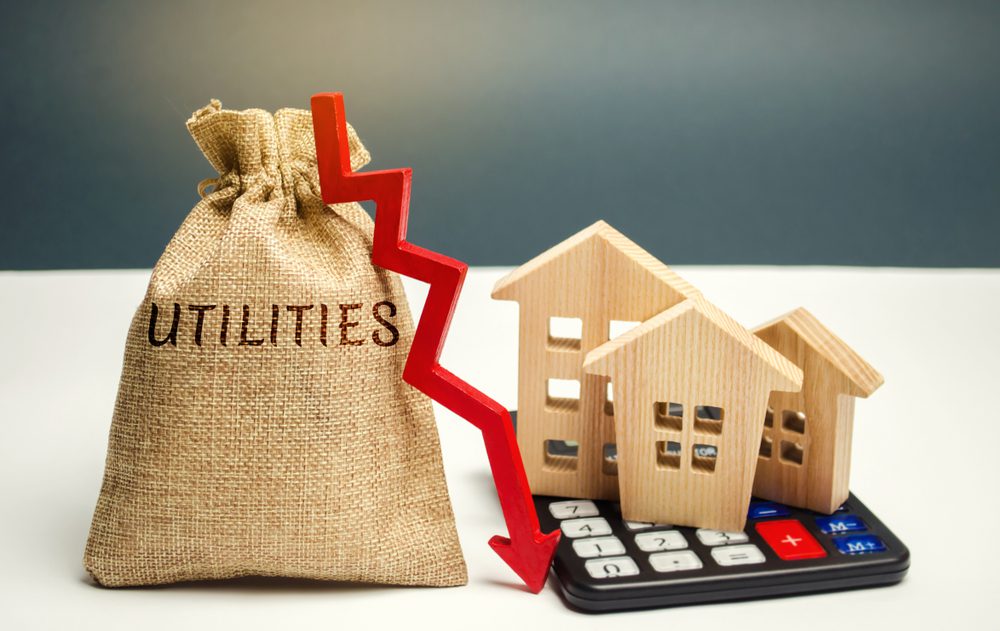
1. Everyday Energy and Utility Bills: A Mixed Story
Energy prices are among the most visible economic indicators for consumers. Nearly every household relies on electricity, heating fuel, and natural gas, and even modest changes can quickly show up on monthly statements. According to data from the U.S. Bureau of Labor Statistics (BLS), overall energy prices are slightly higher than a year ago. However, the specific components of energy costs tell a more nuanced story.
Electricity prices have risen noticeably. The BLS reports that home power rates are up roughly 5% year over year. For the average household, that translates into several extra dollars each month—an increase that is especially troublesome for families already struggling with housing and food costs. Higher electricity rates are affecting everything from air conditioning and heating to home offices and electric vehicles.
Natural gas prices have climbed even faster. Households that rely on gas for heating or cooking have seen double-digit percentage increases in their annual expenses. While winter heating costs fluctuate based on weather severity, the broader trend in gas service pricing has added strain to monthly budgets, particularly in colder regions of the country.
At the same time, the impact of these rising utility bills has been partially offset by falling gasoline prices. While electricity and natural gas are more expensive, fuel for vehicles has become cheaper, providing a degree of relief for commuters and delivery drivers alike.
This split reality—higher home energy costs but lower transportation fuel prices—defines much of the current economic environment. The financial benefit a household experiences depends largely on how much they drive versus how energy-intensive their home is.