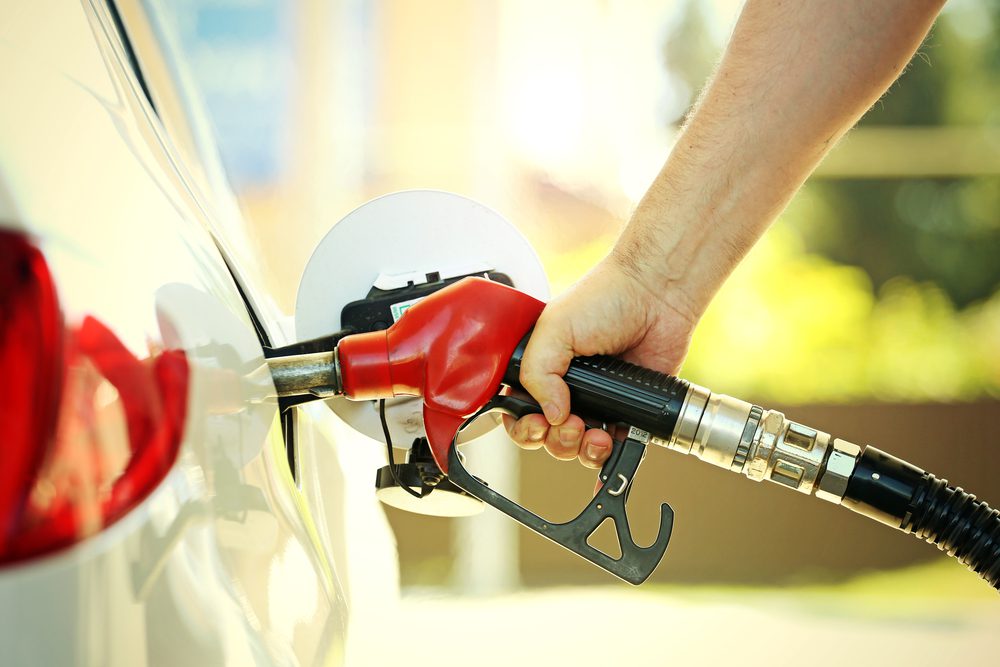
2. Gas at the Pump: One of the Clear Winners
Gasoline prices were one of the most politically charged issues of the 2024 election cycle, and they remain central to public economic perception today. Trump frequently blamed high fuel costs on federal policies under the previous administration and vowed to restore “energy dominance.” His White House now claims that Americans are paying one of the lowest shares of their disposable income on gasoline in nearly two decades.
Data suggests that drivers have indeed benefited. The BLS gasoline index is significantly lower than it was a year ago, reflecting lower pump prices nationwide. Trading Economics’ U.S. inflation summary shows that while energy prices overall have edged slightly higher, gasoline prices are down about 0.5% year over year.
For many households, especially in rural and suburban areas where driving is essential, this decline in gasoline costs has been one of the most tangible economic benefits of the past year. Lower fuel prices help offset rising costs in other categories, particularly housing and groceries.
Transportation companies and gig workers who rely heavily on vehicles have also seen their operating costs decrease, improving profit margins or at least stabilizing earnings. While fuel savings alone cannot solve broader affordability challenges, they remain a meaningful source of relief in daily life.
Still, experts caution that gasoline prices are influenced heavily by global markets, geopolitical tensions, and seasonal demand—not just presidential policy. While the current decline benefits consumers, it may not be permanent.