

How do you deal with your debt?
Being in debt is not the end of the world. Some of them aren’t that bad. Think of mortgages, for instance. They might be expensive, but they help you achieve one of your most important goals in life, which is owning a home. But too much of it, unfortunately, can do more harm than good.
If you’re looking for different ways to manage your debt and be on top of your bills, you’re already a step further in the right direction. Of course, there are things that can make these sorts of financial obligations a lot harder, such as job losses and medical expenses. These can easily lead to problems that are hard to face, but not impossible.
So if you’re doing your best to pay off numerous credit card balances, health care costs, student loans, or any other kind of credit, not to mention keep up with your everyday living costs too, we have some tips that might help you.
Are you ready to get your finances back on track? Here are our best tips on how to manage debt!
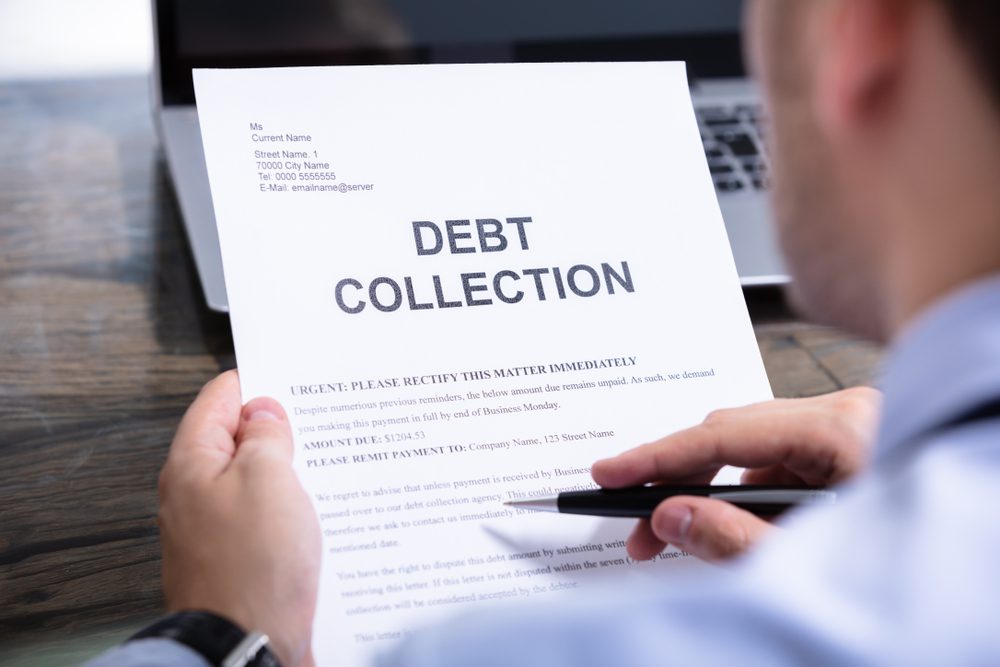
1. Have a plan
Have a plan It might not be the most enjoyable thing to do, but planning is major when it comes to staying on top of your problems. Whether we talk about money, work goals, personal goals, or fitness, planning is one of the most important things.
If you’ve noticed that it’s getting harder and harder to pay more than your minimum credit card payment each month, it’s time to get your finances together. When you’re decreasing your balance by only paying the monthly minimum, you’ll actually make things worse. That’s because your debt will keep rising over time due to the effects of compounding interest.
The first step in your ”recovery process” is to make a list of all the debts you have and write down how much you owe to each one. Your list should also contain information such as creditors, balance, interest rate, and monthly deadlines. By doing so, you’ll be able to come up with a plan and stick to it.
There are people who start by taking care of the balances with the highest interest rates first. The reason why they do so is that the bigger the rate, the more coins they’ll save by paying that credit ASAP. On the other hand, certain people prefer to pay down their lowest balances first, so that they can switch those deposits towards accounts with bigger balances.
2. Talk to a credit professional
If you have already borrowed a lot of money from friends and family and it is now time to respond to those collection agencies that keep calling you, it might be a good idea to ask a professional for help.
They might come to your rescue and be able to negotiate with cashiers on your behalf to lower waive fees and interest rates. Besides that, they can also offer you their best tips and tricks on how to rebuild savings.
If you think about enrolling in a formal debt management program, you can pay the organization in charge of running it a single monthly payment, and they will then distribute payments to your creditors.

3. Calculate your spending
If paying your debt feels like one of the worst things you have to take care of, it’s not a bad idea to take an honest look at what you spend your money on every month. And we’re not only talking about your credit. Are there any expenses you can easily cut back on or even remove from your list?
It might not be that simple at first, but it will give you a clear idea of how much extra money you have. And if you notice that you have some expenses you can easily let go of, you can redirect your money to your most important debt.
4. Try to negotiate
If you demonstrate to your loan holders that you’re in big trouble and you have no idea how to get out of this stressful situation, they might agree to negotiate your debt. For instance, they will agree with your request if you aren’t able to make minimal disbursements on unsecured debt, but you have a strong belief that you could be okay with managing a less strict payment schedule.
It’s understandable that every collector has their own guidelines, but you might be able to arrange a different payment schedule or even an interest rate for your balance. For example, if you have a monthly medical expense, it might be helpful to establish a payment plan with your healthcare provider before you meet the deadline for your first bill.
Similar to this, if you have a student loan and you don’t have enough financial resources to afford the required monthly payments, you might be able to postpone repayment through deferral or forbearance.

5. Explore debt forgiveness
Debt forgiveness can surely be an option if your student loan debt is straining your finances and you’ve already consolidated and refinanced it. Of course, you might be able to negotiate debt forgiveness for several other types of debt as part of your debt settlement agreement, but keep in mind that this alternative could have additional fees and financial risks, so you have to be ready for them.
Even though it frequently comes with its own set of costs, debt forgiveness usually occurs when a lender agrees to eliminate a part of the amount you owe them, or even all of it, in some cases. People who work as teachers, doctors, lawyers, nurses, nonprofit employees, or government employees might be eligible for plenty of federal student loan forgiveness programs.
Researching income-based repayment arrangements is another option, but you should be careful with it. For instance, private student loan forgiveness is more difficult to obtain. On the other hand, for other types of debt, such as unsecured credit card debt, debt forgiveness is typically not an option.
6. File for bankruptcy
If you’ve already used all of the options we’ve previously talked about and it seems like you still can’t control your finances, you might consider filing for bankruptcy. This usually happens when you owe more than you can afford to pay. We know it’s not an easy thing to do, but it might be beneficial in the long run.
If third-party collection agencies are garnishing your monthly paycheck, you are underwater on your home, or you are using retirement savings to pay debts or rent, it might be your only choice.
Of course, declaring bankruptcy or bankruptcy protection due to debt should be your last option. However, there are some downsides to this thing as well. For instance, your ability to obtain credit in the future might be significantly harmed by the evaluation of all of your assets and potential use of them for repayment.
Keep in mind that before filing, you might have to go to credit counseling. And don’t forget that student loan debt is not immediately discharged upon bankruptcy.
If you make a good plan and stick to it, you can surely break the bad cycle of debt. As you might know by now, it’s very important to ask for help if you want to enhance your credit scores and have a plan for future savings and all sorts of investment goals. Don’t be discouraged if your debt has gone to collections. With a bit of time, effort, and not to mention, patience, you will be able to restore all your credit history.
…Do you want to be informed and know what can happen to us in the future? Then check this article out to find all the things you need to be aware of: A Recession Is Upon Us! Here Are 8 Things You Don’t Know About Them!




i am on disability and 61 years old my monthly income has been cut in more than half,im not ready to give up working but due to cancer caused disability i can not work,all the money i have put into social security over 43 years i only get a pinch of that back,i cant afford bankruptcy or medical bills what am i supposed to do?im about to loose my home and self esteem ssdi has no mercy and does not care,they are some of the rudest and unprofessional people i have tried to negotiate with.the bottom line is they just dont care and the goverment is the same way, try to walk a mile in my shoes and remember there is no one to help you to the finish line.