Frugality builds wealth, but ruthlessly cutting costs on the wrong items will inevitably drain your bank account over the long term. Knowing exactly when to open your wallet and invest in superior quality separates savvy financial planners from those who merely hoard pennies. While buying the cheapest option provides an immediate thrill at the checkout counter, true value is measured in durability, health, and efficiency. The bargain route frequently masks hidden replacement costs, looming medical bills, and bloated monthly utilities. By intentionally spending more on assets that fundamentally impact your daily life—from your sleep environment to your professional tax strategy—you vigorously protect your time, your physical well-being, and your long-term net worth.

1. A High-Quality Mattress and Sleep Setup
You spend roughly one-third of your life in bed. A budget mattress degrades quickly, failing to provide the spinal support your body requires to reach deep, restorative sleep. The financial impact of poor sleep stretches far beyond a stiff back in the morning; according to 2026 data from the RAND Corporation, insufficient sleep costs the U.S. economy up to $411 billion annually in lost productivity and healthcare expenses. Investing in a premium mattress, temperature-regulating sheets, and supportive pillows pays daily dividends in your physical energy, mental clarity, and earning potential. When you optimize your rest, you optimize your ability to perform at work and make sharp financial decisions.

2. Proper, Supportive Footwear
Fast-fashion shoes might cost a fraction of what premium brands charge, but they fall apart rapidly and offer zero ergonomic support. If you spend hours on your feet, inexpensive footwear shifts the impact to your knees, hips, and lower back. Eventually, those perceived savings transform into physical therapy copays and debilitating pain. High-quality shoes crafted with durable materials, proper arch support, and replaceable soles can last for years. You drastically lower your long-term cost-per-wear while protecting your musculoskeletal health.

3. Preventative Dental Care
Skipping a professional dental cleaning to save money represents a textbook example of being penny-wise and pound-foolish. Routine preventative care removes plaque and catches minor decay before it turns into a major medical crisis. National data for 2025 and 2026 shows that a routine dental exam and cleaning averages around $200 out of pocket. Conversely, if you let a cavity fester until it requires a root canal and a restorative crown, your bill can easily escalate to between $1,700 and $3,100 without insurance. Pay the smaller fee upfront to preserve your natural teeth and shield your wallet from massive, urgent medical debt.

4. Energy-Efficient Major Appliances
When replacing a refrigerator, washing machine, or HVAC system, the sticker price reveals only half the story. The true cost of an appliance includes the electricity and water it consumes over its typical decade-long lifespan. Appliances carrying the ENERGY STAR certification meet strict efficiency guidelines set by the government. For example, certified clothes washers use approximately 25 percent less energy and 45 percent less water than standard models. Over the life of your household appliances, investing in energy-efficient models reduces your monthly utility bills by 20 to 50 percent. The premium you pay at the register is usually recouped entirely within the first few years of operation.

5. Professional Tax Strategy and Preparation
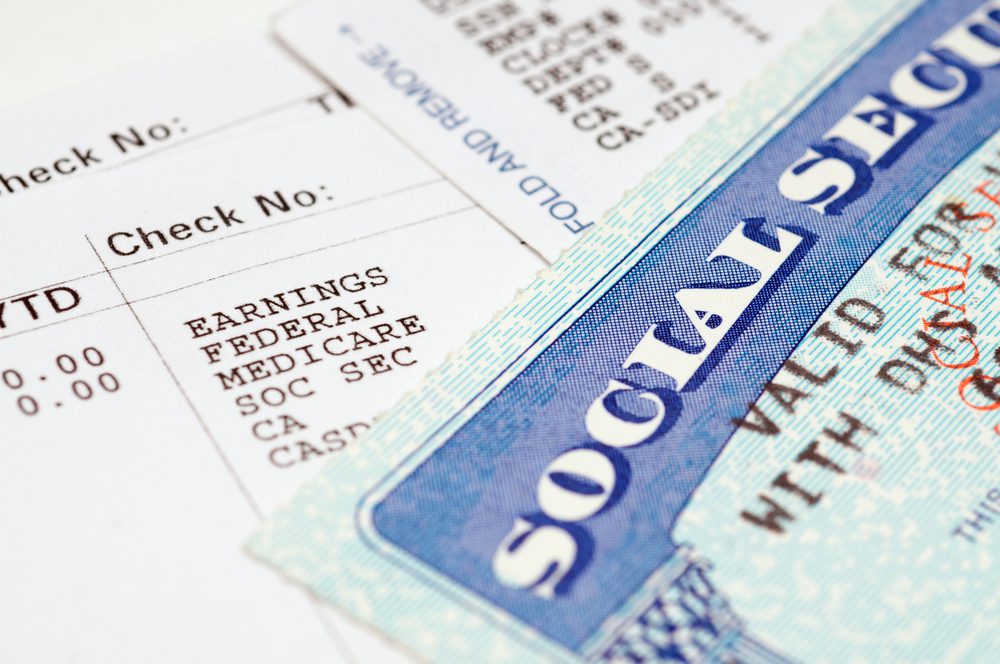
Filing taxes with free software works perfectly well if your financial life is extremely straightforward. However, if you own a business, invest in real estate, or juggle complex household finances, a licensed Certified Public Accountant (CPA) is an indispensable asset. Tax laws change continuously; for the 2026 tax year, the Internal Revenue Service (IRS) increased the standard deduction to $16,100 for single filers and $32,200 for married couples filing jointly. A qualified professional navigates these updated thresholds, ensures you claim every legal deduction, and helps you avoid costly audit triggers. The fee you pay a CPA often pales in comparison to the tax savings they uncover.

6. Adequate Liability Insurance
Many drivers purchase state-minimum auto insurance to secure the lowest possible monthly premium. This strategy carries tremendous risk. If you cause a severe accident, minimum liability limits deplete instantly, leaving your personal assets completely exposed to lawsuits. Resources from the Consumer Financial Protection Bureau (CFPB) emphasize the importance of understanding policy limits to protect your wealth. The same principle applies to homeowners and renters insurance. Always pay a slightly higher premium for robust liability coverage and comprehensive asset protection. Consider adding an umbrella policy; for a few hundred dollars a year, you gain millions in liability coverage that shields your retirement accounts and home equity from catastrophic legal judgments.

7. Reliable Tires and Routine Auto Maintenance
Your tires serve as the only point of contact between your heavy vehicle and the road. Budget tires wear out faster, increase your braking distance, and drastically reduce fuel efficiency. High-quality tires provide superior traction in poor weather, actively helping you prevent collisions. Similarly, paying for routine maintenance keeps your vehicle running smoothly. A relatively inexpensive preventative fluid flush is vastly superior to a multi-thousand-dollar transmission replacement caused by long-term neglect.

8. Ergonomic Office Furniture
The permanent shift toward hybrid and remote work means many professionals spend forty hours a week sitting at a home desk. Hunching over a laptop on an unsupportive dining chair compresses your spine and destroys your posture. Investing in a highly adjustable, ergonomic office chair and a properly aligned monitor setup minimizes strain on your neck and back. Quality office furniture prevents repetitive stress injuries, keeping you comfortable, focused, and out of the doctor’s office.

9. Quality Home Insulation and Windows
Drafty windows and poor attic insulation quietly siphon money from your bank account every single month. During extreme temperatures, your heating and cooling systems work overtime to regulate the air escaping through thin glass and uninsulated walls. Upgrading to double-pane windows, sealing drafts, and blowing fresh insulation into your attic requires upfront capital, but it permanently lowers your energy consumption. Local utility companies and federal tax credits frequently subsidize these upgrades, which significantly accelerates your return on investment.

10. Premium Kitchen Tools
Relying on warped pans and dull knives transforms cooking into a frustrating chore. When food prep feels like a hassle, you naturally default to expensive takeout and food delivery apps. By investing in a premium chef’s knife, heavy-bottomed stainless steel or cast-iron cookware, and reliable glass storage containers, you turn cooking into an enjoyable, efficient experience. Preparing meals at home drastically reduces your monthly food budget and improves your physical health, easily offsetting the initial cost of high-end culinary gear.

Value Comparison: Cheap Alternatives vs. Quality Investments
Understanding the long-term math behind your purchases helps justify the initial expense. Here is how standard cheap options compare to their higher-quality counterparts.
| Financial Category | The Cheap Route | The Quality Investment | Long-Term Financial Impact |
|---|---|---|---|
| Dental Care | Skipping routine $200 cleanings | Biannual checkups and scaling | Avoids $3,000+ root canals and crowns |
| Home Appliances | Base model, low energy efficiency | ENERGY STAR certified models | Saves 20-50% on utility bills over 10-15 years |
| Auto Maintenance | Budget tires, skipped services | Premium tires, strict maintenance schedule | Prevents catastrophic mechanical failures and accidents |
| Tax Preparation | Rushed DIY software | Licensed CPA strategy | Maximizes legal deductions, prevents IRS penalties |
“Price is what you pay. Value is what you get.” — Warren Buffett, Investor and CEO of Berkshire Hathaway

Pitfalls to Watch For When Spending More
While investing in quality is a sound financial strategy, you must navigate the market carefully to avoid wasting money on the wrong things.
- Confusing Brand Names with Quality: A high price tag does not automatically guarantee superior craftsmanship. Designer labels often charge a premium for their logo rather than the durability of the item. Always research materials, warranties, and verified customer reviews before purchasing.
- Financing Splurges on Credit Cards: Buying a high-quality mattress or appliance loses its financial benefit if you pay 24 percent interest on the purchase. Save up for these investments and buy them in cash. If you are struggling with high-interest debt, consider reaching out to the National Foundation for Credit Counseling (NFCC) to restructure your finances before making major purchases.
- Ignoring Maintenance on Premium Items: A $2,000 espresso machine will break just as fast as a $100 coffee maker if you never descale it. Premium items require proper care to reach their maximum lifespan. Read the manuals and follow the recommended maintenance schedules.

Getting Expert Help
Sometimes the best investment you can make is hiring a professional to guide your purchasing decisions.
- When dealing with tax complexities: Hire a licensed CPA or Enrolled Agent. They stay current on the latest tax code changes and can structure your finances to minimize your tax burden legally.
- When buying insurance: Consult an independent insurance broker. Rather than working for one specific company, independent brokers shop your policy across multiple carriers to find the best coverage ratios for your specific needs.
- When planning major home upgrades: Hire a certified energy auditor. Before spending thousands on new windows, an auditor will test your home to identify exactly where you lose the most heat, ensuring you direct your money to the most impactful upgrades.
Frequently Asked Questions
How do I know if an expensive item is actually higher quality?
Look beyond the marketing materials and examine the construction. For furniture and clothing, check the materials used—solid wood versus particleboard, or full-grain leather versus bonded leather. For electronics and appliances, review the warranty terms. Companies that build durable products usually stand behind them with robust, multi-year warranties.
Should I go into debt to buy quality items?
Generally, no. The interest paid on credit card debt quickly erases any long-term savings you might gain from a durable product. The exception is emergency situations, such as replacing a broken refrigerator or repairing a necessary vehicle. For planned upgrades, create a sinking fund and save cash over time.
Are all ENERGY STAR appliances worth the higher price?
In the vast majority of cases, yes. While they carry a higher upfront cost, the reduction in electricity and water usage pays for the difference within a few years. If you live in an area with high utility rates, your return on investment will materialize even faster.
Making intentional choices about where you spend your money allows you to elevate your quality of life while building long-term wealth. Stop accepting the false economy of cheap goods, and start investing in items that truly serve you.
This is educational content based on general financial principles. Individual results vary based on your situation. Always verify current tax laws, investment rules, and benefit eligibility with official sources.