How much money do you spend on groceries every week?
Whether you like it or not, you have to do your grocery shopping, and sometimes it’s not the most affordable thing in your household. Knowing how to cut costs on food can result in yearly savings of thousands of dollars. All of that while also enjoying all those yummy foods you and your family absolutely love.
We know that it’s easier said than done, but grocery shopping doesn’t have to feel like someone is taking all the money out of your pocket. If you want to start saving and also make the most out of your meals, it’s time to set a budget for your shopping spree. That’s the first step you have to take, and the most important one too, if we’re being honest.
But that’s not all. Do you know what the best part of all that is? It’s not necessary to sacrifice great meals or high-quality products in order to save money on groceries. Do you want to learn how to make extra money while still eating the foods you enjoy? Then this article is for you! Here are 7 tips to stretch your food budget:
1. Plan your meals in advance
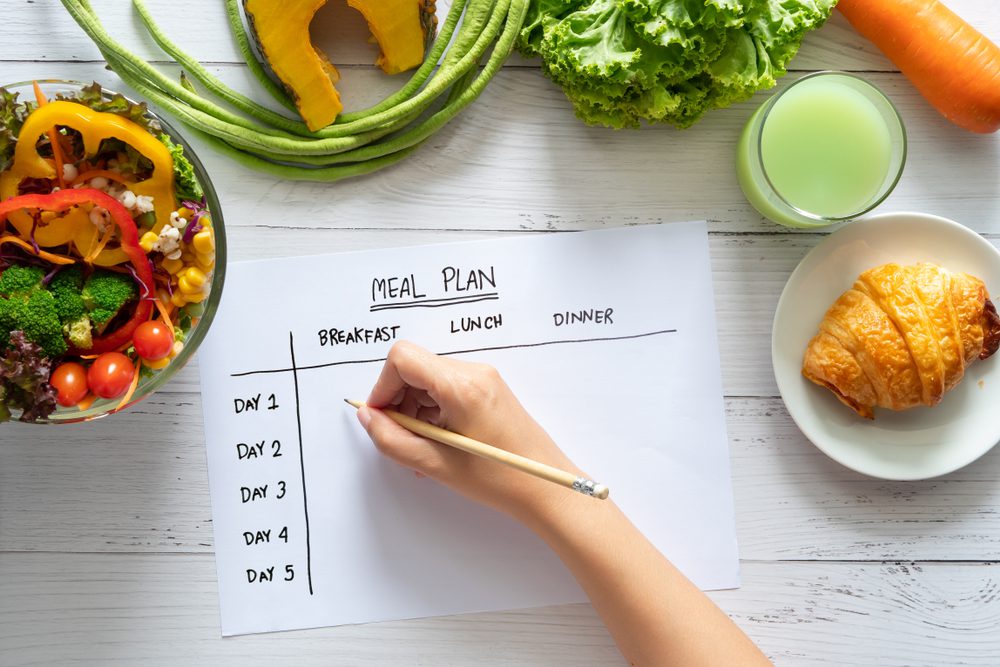
If you really want to stay on a budget when you go grocery shopping, an easy and helpful thing you can do is plan your meals in advance. Do this before you leave home and arrive at the store, otherwise, you might be tempted to put everything you see in your cart. This will give you an idea of how much money you’ll have to spend, and it will also keep you accountable for your eating habits.
This simple tip will reduce the chances of spending more than you planned to and it will help you get creative in the kitchen. However, you can always eat the dinner leftovers for lunch the next day, so you don’t have to think too much about your meals! And if you don’t want to cook another dish from scratch, you can mix and match some of the ingredients you already have (see, no need to go shopping again) and create a whole new meal!

2. Calculate
…This one might drive you crazy, but give it a try, at least for a couple of weeks, until you get used to it!
Calculate, calculate, calculate! Yes, we know, it’s the last thing you want to do while grocery shopping, especially if the store is crowded and you try your best to put everything you need in your cart.
But it’s important to do so if you want to keep track of the prices of everything in your cart. It will give you a clear picture of how much you’re spending when shopping. This could entail using the calculator on your phone or rounding up each price to the next whole number to make it simpler to add them all up mentally. As annoying as it might be, this stops you from unintentionally going over budget.

3. Replace the shopping cart with a small basket
…Did you know that supermarkets make you spend more money than you actually need to by simply providing you with giant shopping carts and baskets?
Yes, that’s true. This will trick you into thinking that you don’t have a lot of groceries, and that’s simply because you have a lot of space to fill. As you can imagine, you’ll be tempted to put a lot more in your cart so that you fill all that empty space.
However, you shouldn’t allow yourself to get tricked into thinking that you need to purchase a ton of things when you can simply choose the smallest grocery-carrying option available at the store, which is usually a basket. This will help you to only purchase the things you absolutely need, and if you only have a couple of items to get, you can skip the basket and carry those things yourself.

4. Pay in cash
We don’t know about you, but we feel like we can spend a lot more money than we need to when we pay with our debit cards. As weird as it might sound, some shopping experts say that this is actually pretty common and normal. And that’s because when you pay in cash, you actually see the money and you can feel and process how much you spend. But when you use your card, that’s almost impossible.
Do you always know how much money you’ve got on your card and how much you’ll be left with after you’re done with your shopping spree? If your answer to these questions is no, then paying in cash might help you with budgeting. If you know that you only have a specific amount of cash to spend on your groceries, it makes it harder for you to overindulge and get a lot of things you don’t actually need.

5. Eat before you shop
Let’s be honest here: how many times have you wandered around the aisles, hearing your stomach growling and being tempted to throw a huge amount of unnecessary food into your basket? Well, we’ve done quite a lot, and we’ve noticed that not only did we spend more money than we were planning to, but we actually gained a few pounds too.
However, we finally realized that things needed to change, so we made a promise to ourselves to stop shopping for groceries when we were starving. What’s the solution, you might ask? Eat something before you go to the store. We know it sounds like the most basic piece of advice ever, but trust us, it makes a huge difference.
Even if you’re only eating a simple snack, such as a banana with peanut butter, a protein bar, or yogurt, your stomach won’t make a scene, and you’ll be able to focus your attention on the products you actually have to purchase.

6. Compare prices by weight
One of the best budget-friendly grocery shopping tips is to compare prices by weight rather than by the retail price that is being advertised. Usually, you will see the cost of each product per fluid ounce in addition to the retail price. When evaluating other comparable products, you need to compare them using this number.
If you want to purchase a peanut butter jar, for instance, but there are 2 different brands with distinctive prices, you might be tempted to get the cheaper one. Let’s say a jar costs $4 and the other one is $6. Even though it’s understandable that you want to buy the one that costs $4, when you look at the price by weight, you might notice that while the first peanut butter seems more affordable, it is actually more expensive per fluid ounce, and the $6 one is actually cheaper if you do the math and calculate the price based on weight.

7. Keep track of your expenses
Once you’ve finished your shopping, it’s really important to keep track of your grocery spending, just like you do with your overall budget. This could entail entering the data into an Excel spreadsheet, a manual budgeting app, or a fully integrated budgeting app and bank account.
This simple tip will help you divide all the categories you spend money on in a month, and you’ll have a better idea regarding the area where you spend the most.
…Are you looking for even more helpful tips regarding budgeting and how to save money? Then check this article out: 7 STEPS TO BECOMING A SAVER (EVEN IF YOU’RE A SPENDER)!