Are utility bills burning a hole in your pocket?
It doesn’t have to cost much money or effort to lower your utility bills. While things like swapping out single pane windows for double pane ones or installing an intelligent thermometer will go a long way toward reduced energy costs, there are lots of quick and practical things you can do to put a dent in your monthly utility statements.
The best part? There’s no significant investment required! Of course, there are many reasons beyond just trying to lower utility bills to reduce your home’s energy usage.
Using less energy in our day-to-day lives is better for the environment and essential because temperatures have been fluctuating a bit from what we’re used to. Being mindful of how you use energy, and taking small steps to use just a little less, is always a good choice.
And hey, saving money is a pretty significant benefit, too, right? So how do you lower your utility bills without disrupting your budget or your way of living? Here are 9 clever ways to use less energy in your home.
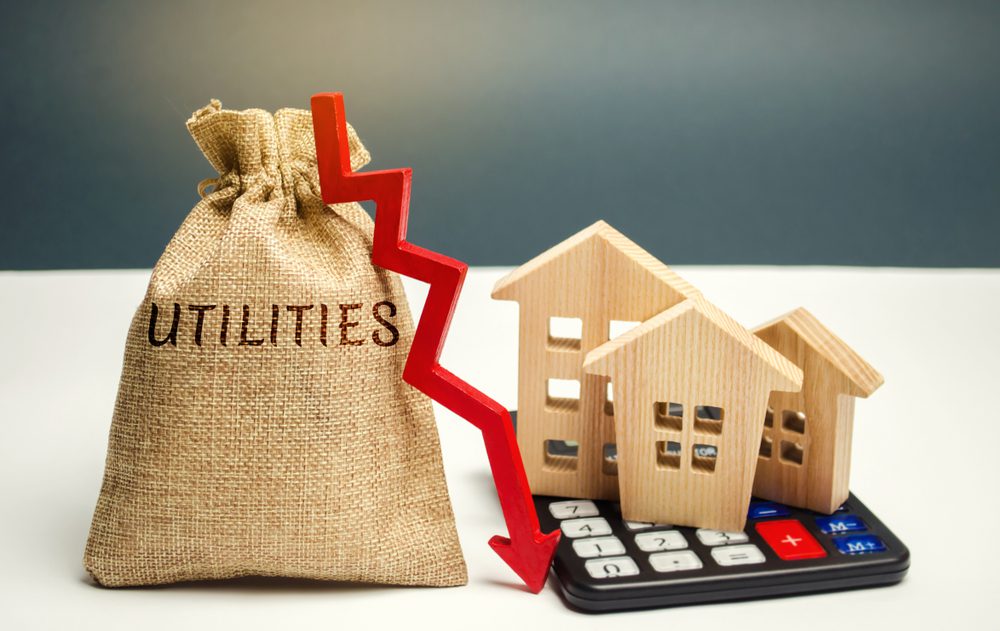
Consult A Professional
A professional energy audit should be your first step to determine where your home is wasting the most energy. According to the US Department of Energy, this might include infrared cameras that assess your house and blower door tests to check for drafts.
On average, a home energy audit takes between one to five hours and costs $412. Depending on where you live and what size your home is, the price could reach $1,650 or more.
But don’t worry. Some energy companies will offer customers a free or discounted assessment, so check with your local utility company for options.
The Department of Energy says that efficiency upgrades identified in a home energy audit can save homeowners between 5% and 30% on their utility bills.

Swap Out Those Expensive Light Bulbs
Trading in your traditional incandescent light bulbs for some energy-efficient lighting is one of the most effortless ways you can cut down on utility bills.
Ninety percent of the energy that’s produced by incandescent light bulbs is given off as heat, meaning that you’re pretty much throwing away some money each time you flip a switch.
But thanks to today’s modern technology, we can now switch those old bulbs for energy-efficient halogen incandescent, CFL, and LED bulbs.
Even though the initial price of these light bulbs will be a bit higher, they consume much less energy and will last much longer than a traditional incandescent bulb.

Install Weatherstripping
Weatherstripping the windows and doors in your home is a great way to stop the air from leaking out of your house.
In fact, sealing the cracks and air leaks you may have, especially if you live in an old and drafty house, can save you more than 20 percent on your heating and cooling utility bills, the Energy Department reports.
And the best part is that weatherstripping comes in various materials, with some more cost-effective than others.
A good thing to keep in mind when shopping for weatherstripping is choosing products that best withstand weather, temperature changes, and just regular wear and tear.

Insulate The Water Heater
If your water heater is warm when you touch it, this heat loss may cost you money on your next utility bills. Whether you’re running on electric or gas, you’re using much more because you have to keep reheating that water.
But just like insulating your walls, insulating your water heater could help reduce you’re monthly heating and cooling costs. A water heater that’s a newer model will likely already be protected, but an older heater may not be.
The Energy Department says that your water heater should have insulation with an R-value, thermal resistance, of at least 24. You should think about adding some extra insulation to your water tank if it doesn’t.
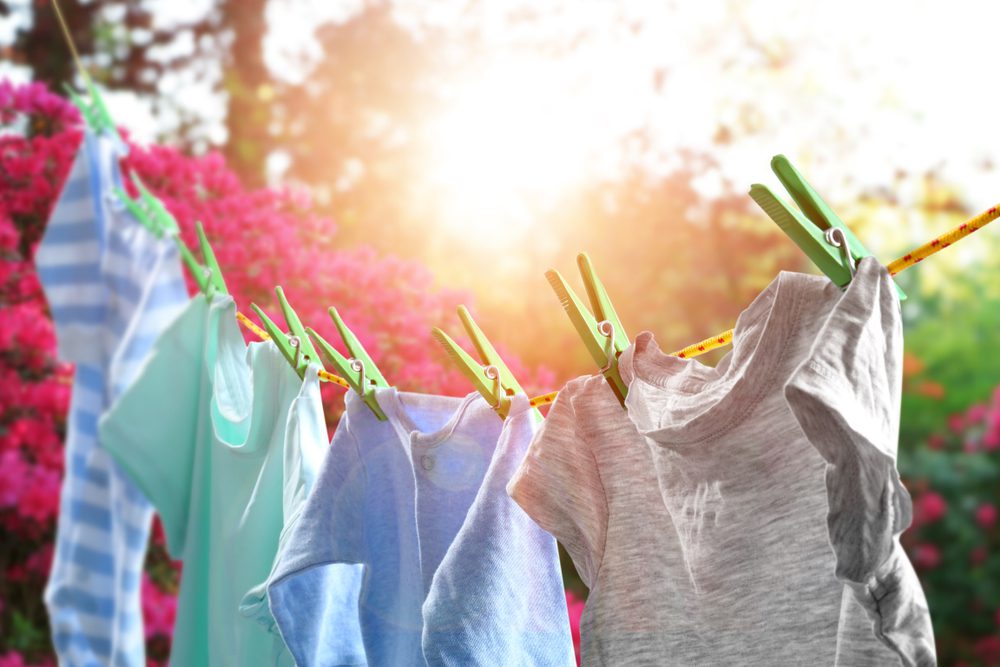
Air Dry Your Clothes
Suppose you’ve tried every possible way to save money in your laundry room, like washing with cold water instead of hot water, using a lower heat setting on the dryer, and not overfilling your dryer with clothes.
In that case, you might want to consider ditching your dryer altogether and choosing to air dry your clothes instead. This is an excellent option if you have a balcony or backyard. Besides saving all that money, you’ll also be preserving your clothes better.
Even though they’re convenient, dryers tend to weaken the fabric’s fibers, this is where your lint catcher comes in, and then your clothes eventually come apart and end up in your trash.
So, hanging out your clothes to dry will save you money on your utility bill in more ways than one!

Operate Your Dishwasher ONLY When It’s Full
If you think that you’ve been using less water by hand washing your dishes, we’ve got some bad news for you. An Energy Star-labeled dishwasher can save you more than 7,000 gallons of water each year compared to hand washing.
But in order to ensure your dishwasher is at its most efficient level, try running it only when you’ve collected enough dirty dishes for a full load.
If you operate your dishwasher only when it’s completely full can prevent 100 pounds of carbon pollution but also save you a good $40 a year on your utility bill.

Install Solar Panels On Your Roof
Rooftop solar panels are becoming more common these days, especially in sunnier parts of the US. They can be a great way to cut down your utility bill over 20 years and save you about $20,000.
Now, even though solar panels are becoming less expensive as they gain popularity, the installation DOES come with a considerable price tag. The average solar panel system costs roughly $25,653, but it varies greatly depending on where you live.
We recommend researching your options thoroughly to determine if solar panels suit your home. The good news is that a rebate or tax break MAY be offered for installing solar panels in your area.
But first, you should insulate your attic, sealing holes where you have air leakage, and opt for up-to-date, efficient appliances. Doing these tasks first means you need a minor solar system to operate your home.

Install Water-Saving Faucets And Shower Heads
Even though federal law requires that your newer-model showerheads and faucets not to exceed more than 2 and a half gallons per minute at a water pressure of 80 pounds per square inch, you can buy some water-saving fixtures that will reduce your consumption even more.
Some quality, low-flow showerheads shouldn’t cost you more than twenty dollars each and could result in savings from 25 percent up to 60 percent on your utility bill.
To get maximum water efficiency in your home, look for an aerator for your faucets that restrict flow rates to no more than 1.0 GPM.

Turn Down Your Thermostat When Sleeping
There’s no reason to keep your heat blasting when you’re curled up under blankets anyway. Before you go to bed at night, go to your thermostat and turn it down about five to ten degrees.
You won’t notice the difference when you’re sleeping, but you WILL see it on your utility bill. If your house is vacant during the day, like when everyone’s at work or school, that’s another opportunity to lower the thermostat too.
This change can mean significant savings and requires pretty much no effort on your part. If you really want to take the guesswork out of the situation, you could install a programmable thermostat, which will automatically make the adjustments for you.
But it’s unnecessary if you make it part of your nightly…and daily routine.
Now that you have all these amazing tips on saving money on your utility bills, try some out for yourself and let us know how much you’ve saved in the comment section.
And for some more great financial advice, you should read: Wondering If You’re Losing Money? You ARE by Throwing Away These 7 Things