Make money work for you!

  • Home
  • Personal Finance
  • Budgeting
  • Shopping
  • Taxes

15 Finance Rules That Worked for Baby Boomers but They Don’t Apply Today

November 4, 2024 · Personal Finance
Illustration of a person examining old financial rules with a critical eye.
A man examines a stack of financial books through a magnifying glass to identify which common money tips are outdated.

The money advice you can skip: 15 financial tips to rethink

It’s always smart to get financially educated, and while friends and family offer well-meaning advice, not all tips should be taken. Some tips that worked for past generations, like baby boomers, are not really working these days as they don’t suit today’s realities.

finance advice
Photo by Andrey_Popov from Shutterstock

Let’s explore some outdated finance pieces of advice you might hear, and see why they can lead you in the wrong direction.

A line chart comparing the volatility of investing with personal capital versus the high-risk swings of borrowing to invest.
This line graph illustrates how borrowing to invest leads to amplified losses and significant negative equity.

1. Borrow money to invest

This is such a high-risk strategy. Leveraging or borrowing money can magnify returns but amplify losses as well. This is a strategy that often comes with extra risk and extra fees. Many people prefer to invest their own money because doing it with borrowed money can easily backfire.

A woman relaxes in her modern rental apartment, emphasizing the flexibility and freedom of not being tied to homeownership.
A woman works on her laptop among moving boxes while settling into a bright and modern rental.

2. Renting is a waste

Renting can be painted as throwing away money, but this is not so clear-cut. Renting offers you flexibility, and you can avoid extra costs of home ownership, such as maintenance and taxes. If you want to buy one, the best thing is to wait until the market is favorable and carefully compare lenders, ending up choosing the house you’re genuinely happy with. You shouldn’t be in a rush when you want to buy a house because this can lead to being “house poor” with tight finances and a lack of freedom.

A minimalist drawing showing two different career paths, one through college and one through trades, both leading to success.
This diagram illustrates how both degree paths and trade skills lead toward achieving long-term financial success.

3. A college degree is an absolute necessity to get a good job

Student loans are constantly rising, so more and more people proved that a college degree is not the only way to get a good job. Some careers need a degree, but there are many high-paying jobs that don’t. Trade schools and certifications are great alternatives for careers such as tech, construction, or plumbing. Moreover, when it comes to entrepreneurship, starting your own business is a path really worth considering.

A bar chart comparing the slow salary growth of staying at one job versus the significant pay increases from switching companies.
This chart illustrates how switching jobs leads to significantly higher salary growth than staying at one company.

4. Stay for years at one job

Sticking with the same jos is not the thing to go for today. Before people waited to get paid higher and higher because of the experience they gained at their job, these days remaining at the same job until retirement could mean missing out on major earnings. It’s important to gain experience and expand your qualifications, which can open doors to better positions for you, even in similar roles, but at these companies. Switching jobs can be one of the easiest ways to increase your salary.

finance
Photo by Suwatchai Wongaong from Shutterstock

5. 20% down to buy a house

This type of payment can help you avoid extra fees, but it’s not realistic for everyone. Waiting to save that much could keep you away from owning a home. If you are ready to buy, you can look for a mortgage with prepayment penalties so you can end up paying the loans faster when your finances improve.

A debt payoff tracker notebook sits on a table next to a small pastry, showing a balance between financial goals and life's small joys.
A notebook listing paid credit cards sits on a table next to a croissant and cracked phone.

6. Don’t spend money until you’re debt-free

It’s important to pay out debt, but you don’t need to sacrifice every ounce of joy in the process. If you avoid spending on fun activities for yourself, it can backfire and make it harder for you to stick to your goals. Set achievable goals and debt-reduction targets, and reward yourself when you hit each milestone.

An illustration showing a protective shield over a modest home and personal items, representing estate planning for everyone.
A golden shield labeled WILL guards a model house and car keys, protecting assets for every family.

7. Estate planning is only for the wealthy

This is very untrue. An estate plan will ensure your loved ones smooth access to your assets when the time comes. If you don’t have an estate plan, your assets can go through costly, drawn-out legal processes. You can draft a simple will, helped by a lawyer or an estate planner, just for your peace of mind.

A close-up of a person using a smartphone to make a contactless payment at a cafe, showing modern credit card use.
A customer uses a smartphone for a contactless payment at a coffee shop, showcasing modern financial convenience.

8. Avoid credit cards altogether

Credit cards can come with fees, and it’s understandable why some people advise against them. Responsible credit, however, can be better than skipping a card entirely. A strong credit score will open doors to landlords, lenders, and maybe even employers. Aim to keep your balance low and pick cards with low interest rates, enjoying perks like reward points or cashback.

A diagram illustrating the difference between spending all cash versus financing a purchase and investing the remaining funds.
This diagram illustrates how strategic financing can outperform cash purchases by leveraging capital for compounding returns.

9. Paying all cash

It sounds simple and safe to use cash, especially for major purchases like a car. However, buying an old can can lead to higher costs in the long run due to maintenance and poor fuel efficiency. Choosing a reliable, new vehicle can make better sense if you can lock in a decent rate and make timely payments, especially if the newer car is safer and more efficient.

A symbolic illustration of a money-bird in a cage made of bond certificates, looking at a growing forest.
A red bird is trapped behind bond bars, missing the market growth and diversification of the forest.

10. Only invest in bonds

Bonds used to be the go-to for stable retirement income, but they are not risk-free. With longer life spans and inflation, your savings need to grow even after retirement. So, instead of putting everything into bonds, think about building a diversified portfolio where you include some conservative stocks. You can rebalance it regularly and adapt it to changing markets. If you are not sure where to start, find some guidance from a financial advisor.

A couple sits at their kitchen counter working together on a digital budget spreadsheet, showing financial partnership.
A smiling couple reviews their shared digital budget to find a modern financial balance for their marriage.

11. Split 50/50 in marriage

Splitting household expenses may not be fair for all couples, especially when the incomes and needs vary. If one partner earns better while the other one handles family responsibilities, a 50/50 split will not work well. The better approach is to divide costs based on income and contribution, especially if one partner owns equity in the home.

An ink drawing of a traveler's check carved into a stone tablet and displayed in a museum exhibit labeled 'Extinct'.
A cracked stone traveler’s check sits in a museum display case labeled as extinct currency.

12. Traveler’s check

This used to be essential, and most places accept credit and debit cards globally. Banks phased them out, so you can let your bank know your travel plans in advance and prevent any holds on your card due to foreign transactions. Issuers might flag unusual activity as a security method.

finance
Photo by SKT Studio from Shutterstock

13. Put all your money in savings

While having a savings account is smart, you shouldn’t only rely on it. High-yield savings accounts can’t keep up with inflation, and if you want to preserve your money’s value, you should consider putting some into money market accounts or federally insured CDs that will provide higher returns. Your savings will grow without losing value over time.

A chart showing Social Security making up a smaller portion of retirement income over time compared to personal savings.
This graph illustrates Social Security’s shrinking role as personal savings and investments become the primary retirement income sources.

14. Counting on Social Security

Many people live on fixed incomes, and they often refer to their Social Security benefits. However, these are plays that typically won’t fully replace the pre-retirement income. If you build your savings and investment strategy before retirement, you won’t have to count solely on Social Security. Some people can choose to work during retirement, but not everyone is able to do this. Consider supplementing it with alternative income sources such as dividends, interest, or rental.

A peaceful sunset view of a park bench with a planner, representing thoughtful and calm future planning.
An open notebook and glasses rest on a bench, symbolizing the need to rethink traditional burial insurance.

15. Burial insurance

Previous generations had recommended burial insurance that covered end-of-life expenses. This is not always necessary if you have other assets. Life insurance, savings, and investments can cover these costs and provide a financial cushion for beneficiaries.

All being said, you shouldn’t always follow your parent’s advice financially. Their experience can be valuable, but times have changed. Some advice might no longer be the best way to reduce financial stress. Certain principles, like paying down debt and saving for retirement, can remain sound, but other recommendations might be outdated for today’s financial environment.

The best thing to do is always keep your budget in control. You can use online tools these days, but if you prefer to do it old-school, this is a great one you can use and you can get it on Amazon: Budget Planner – Monthly Budget Book with Expense Tracker Notebook 

Read next: Are There Benefits to a No-Spend Challenge? We’ll Give You 3! 

Share this article

Facebook Twitter Pinterest LinkedIn Email

Leave a Reply Cancel reply

Your email address will not be published. Required fields are marked *

Search

Latest Posts

  • A retiree in her sun-drenched home studio packing a ceramic vase for shipping next to a laptop showing business sales. 7 Retiree Hobbies That Accidentally Turned Into Full Businesses
  • A mixed media collage of vintage childhood items like toys and coins spilling out of an attic box, representing hidden value. 9 Childhood Items Retirees Still Own That Are Worth Serious Money
  • A hand holding an opened chocolate bar with large empty spaces in the tray on a kitchen counter next to a grocery bag. 8 Everyday Products That Quietly Shrank Without Most Americans Noticing
  • A person organizing a folder labeled 2026 Financial Master on a sunlit wooden table surrounded by legal documents and a coffee mug. 9 Financial Documents Every Adult Should Update This Year
  • A senior couple sitting at a kitchen table reviewing tax paperwork and holding a state rebate check in the morning light. 10 State Tax Rebates and Stimulus Checks Coming to Seniors
  • A mixed media collage showing garden shears cutting through billing statements, which then bloom into colorful paper flowers. 8 Memberships Retirees Are Canceling To Save More Money
  • A mixed media collage of household items like an RV, medical gear, and tools, featuring a central hand holding a 'Rented' tag. 8 Household Items Retirees Are Renting Instead Of Buying
  • Close-up of a retiree's hands carefully wrapping a vintage turquoise bowl in bubble wrap for shipping on a sunlit wooden kitchen table. 8 Everyday Items Retirees Are Flipping For Extra Cash
  • A retiree unloads bulk paper towels and trash bags from her car into her home garage during a sunny afternoon. 8 Items Retirees Are Buying In Bulk To Beat Inflation
  • A senior couple sitting at their kitchen table reviewing financial documents and a calendar together in warm afternoon light. 8 Retirement Expenses That Suddenly Increase After Age 70

Newsletter

Get money-saving tips and personal finance advice delivered to your inbox.

Related Articles

A senior man in a garden thoughtfully reviewing financial data on a tablet during sunset.

8 Social Security Changes Retirees Need To Watch Before 2027

Navigate the crucial 2026 Social Security updates, including the new COLA projections, Medicare Part B…

Read More →
A shopper looking at a grocery checkout screen with the New York City skyline in the background.

10 US Cities Where Grocery Prices Are Highest in 2026

Discover the 10 US cities with the highest grocery prices in 2026, from Honolulu to…

Read More →
hobbies

5 Surprising Hobbies That Make Money in Retirement

Did you know there are hobbies that can both bring you joy and also bring…

Read More →
sell your house

Seniors Only: 4 Signs You Must Sell Your House Right NOW

Have you ever wondered if you should sell your house before you retire? A lot…

Read More →
A senior couple at a sunlit kitchen table reviewing Medicare documents and a laptop in a realistic, home setting.

The Biggest Medicare Mistakes Seniors Make (and How to Avoid Them)

Learn how to avoid the most costly Medicare mistakes in 2026, from missing enrollment deadlines…

Read More →
A mature couple sits at their kitchen table with a laptop and paperwork, appearing focused on their retirement planning in warm morning ligh

8 Retirement Money Moves Americans Wish They Made Earlier

Discover eight critical retirement money moves to maximize your wealth, lower your lifetime taxes, and…

Read More →
unemployment

7 Clever Ways to Use Unemployment Benefits

A person tracks their budget on a smartphone next to a checklist, staying organized while…

Read More →
overhyped collectibles

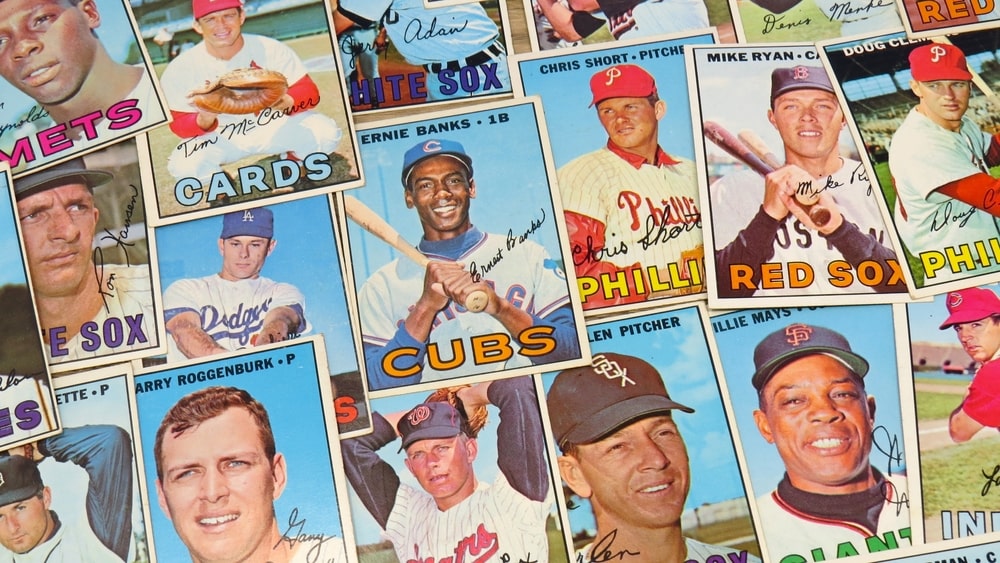
6 Overhyped Collectibles That Are Now Worthless

Most of us have that dusty shoebox of baseball cards or the old coins that…

Read More →
Donald Trump Money Secrets tax plans tariff

12 Money Secrets from Donald Trump

Architectural blueprints and a rising financial graph on a tablet illustrate the strategic foundations of…

Read More →
The Money Place

Make money work for you!

Inedit Agency S.R.L.
Bucharest, Romania

contact@ineditagency.com

Trust & Legal

  • Subscribe
  • Unsubscribe
  • Newsletter
  • Terms and Conditions
  • Do not sell my personal information
  • Privacy Policy
  • Contact
  • Request to Know
  • Request to Delete
  • CA Private Policy

Categories

  • Budgeting
  • Personal Finance
  • Shopping
  • Taxes

© 2026 The Money Place. All rights reserved.