Do you wish you were managing your money better?
One way or another, we all slip up. It’s human nature. However, right now, when prices are rising due to the high inflation rate, one thing you won’t want to mess up is your finances. Sure, we have all fallen victim to bad financial habits. But in these unpredictable times, it’s more crucial than ever to ensure that you’re not your bank account’s worst enemy.
In order to be financially secure, it’s essential to always have a proper budget in place to make sure your money isn’t left to chance. While this strategy helps a lot, it may not be enough to achieve your goals. That’s because we all tend to make financial mistakes.
But don’t worry. Whether you’re a born saver or a born spender, you can always be more frugal with your hard-earned dollars. There are many things you shouldn’t do with your money, but we’ve made a list of some of the biggest financial mistakes we believe you shouldn’t do.
Take a look!

1. They Never Cash Their Paycheck Right Away
If you cash your paycheck immediately, you may spend that cash too quickly.
Financial experts believe that you’ll most likely burn through your paycheck if you cash it rather than having your employer directly transfer it into your bank account. A better decision would be to automatically deposit a percent of your salary into a retirement investment account and have the remainder put into your bank account.
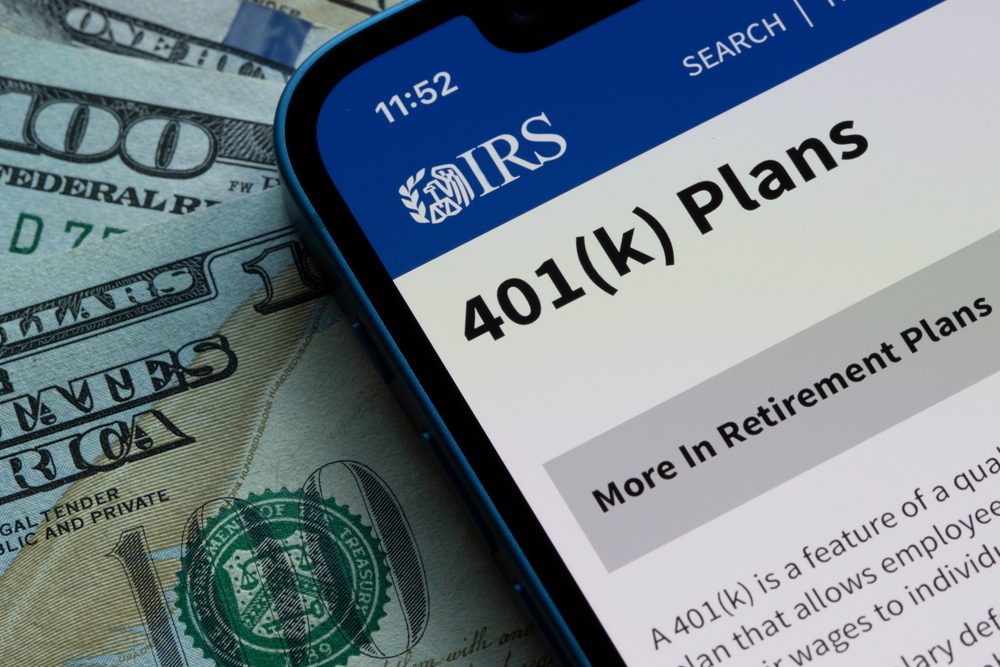
One benefit of having a retirement plan offered by your employer — such as a 401(k) — is that money is automatically withdrawn from your paycheck and invested. This means you won’t see that amount, so you won’t spend it. You can use a budget spreadsheet template to get the most out of your paycheck.

2. They Don’t Say Yes to ‘Unique’ Finance Deals They Can’t Afford
Special finance that offers zero or low-interest rates on large purchases may sound like a not-to-be-missed deal — until you end up paying more cash than you expected.
That’s why financial experts recommend not financing a new vehicle based on the low monthly payment promotions.
Here’s an example one financial consultant shared with us: “Based on a radio ad promoting an incredibly low $69 per month payment, a client of mine financed a new $10,000 watercraft with 0$ down and no real way to pay for it. What he failed to read was that the affordable rate was only available for two years, then it changes to cover retroactive interest based on the loan amount”.
These kinds of financing deals can wreck your nest egg if you fall for a low monthly payment. Experts recommend reading the full terms of the fine print and going through the math. They trick you with the low monthly payments, but they make you pay for much longer than you expected.

3. They Never Choose a Financial Advisor They Can’t Trust
Whilst some folks find hiring a financial advisor a complete waste of money, there are some people who claim this decision helped them avoid paying excessive fees or becoming a victim of fraud. So, yes, if you’re struggling with your financial goals, you may want to seek help from an expert.
But before you do this, there are some things you should pay attention to. The most important one would be to never invest your money with some financial advisor you don’t trust. Period.
To choose the best financial planner for you, get recommendations from friends and relatives your trust. Don’t forget to also research their background and designations on the Financial Industry Regulatory Authority site or at the Securities and Exchange Commission website.

4. They Never Put All Their Money in Illiquid Investments
According to some experts in the field, many investment products lock up your funds, limiting your access to them. You should be fully aware of how and when you can access your money, especially if you make the decision to put a significant amount of your assets in investment products that restrict access.
For instance, exchange-traded funds, mutual funds, and individual stocks all have a pretty high degree of liquidity compared to illiquid investments that cannot be sold rapidly without suffering a major loss in value. Examples include some collectibles, nontraded real estate investment trusts, and more.

5. They Never Spend Money on Stuff They Don’t Use
You may be tempted to purchase things that claim to make some task easier or save you money. But if you wind up not using those things, it’s just wasted money.
If we were all aware of the mind-boggling amount of money we waste on stuff we neither use nor need, we would be able to break this bad financial habit. Whether it’s getting an extended warranty on a product that already has a warranty, buying a fancy phone that does more than you need, or even purchasing groceries you forgot you have, it’s wasteful spending.
Instead, financial planners suggest sticking to buying stuff you truly need and use on a regular basis, and you may be able to save quite some money monthly.

6. They Never Buy a House Without Looking At the Full Cost
Homeownership is more than just the mortgage payment. In reality, there are many other house-related costs that may not be so obvious before you buy.
People tend to only focus on the payment amount and overlook the additional costs that come with homeownership, such as ongoing maintenance and needed repairs, possible tax increases, and higher utility bills than their previous house.
The financial advisors we’ve talked to believe that it’s important to add those costs to the monthly mortgage payments. Otherwise, a bathroom leak or one especially hot summer can lead to additional debt, which can easily turn into a financial burden.

7. They Never Donate Money Over the Phone
Phone solicitations are often ways to raise money for organizations and authentic causes. However, they are also an easy way for scam artists to defraud well-meaning donors.
To keep your money safe, never give out your credit card number over the phone. Experts suggest instead asking the solicitor to send you an email with some information related to the charity they represent, such as the name of the charity, the city, and state where they are located, where exactly your donation goes, and how they’ve been using the donations up until now.
Even if you like what you’re hearing about the charity’s efforts to help those in need, we strongly advise you to research any organization or charity before you give them money.

8. They Never Buy a Brand New Car
That new car smell may be wonderful, but it’s only temporary and comes with a high price tag. So our advice would be to never, ever, ever, buy a new car; go instead for a pre-owned one.
Car dealers try to attract buyers into purchasing a new vehicle by offering low monthly payments that will take years to pay off. Having a car payment means you won’t be able to reach financial freedom from debt.
Before getting a brand new car or making any type of large purchase, always evaluate your finances. You can start asking yourself the following question: Can I really afford it? If the answer is ‘no’, look for a used car that is better for your budget.
You may also want to read this article: 7 Reasons Why It’s Better To Rent A Home Than To Own It.