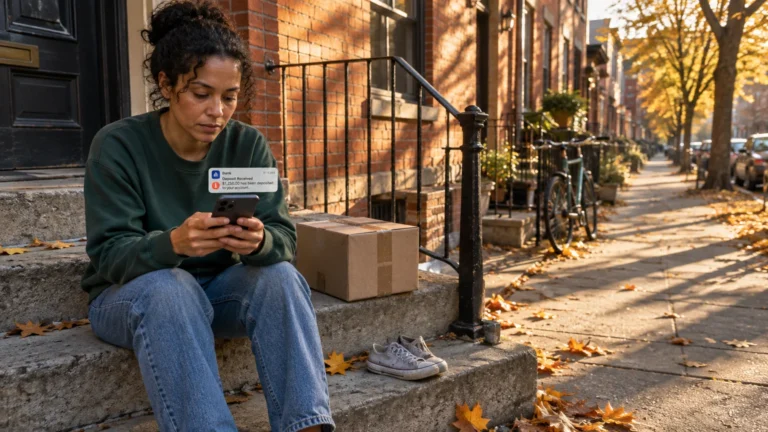
If you bought anything online on November 16, 2026, your payment card details may have passed through a hidden digital skimmer. Cybersecurity researchers uncovered malicious code injected across at least 178 major websites during a single-day attack.
Affected organizations span banking, travel, retail, tax software, and major news outlets. Checking your credit card statement right away can help you catch fraudulent charges before they disrupt your finances.
You do not need technical expertise to assess your risk or protect payment information today. The timeline, affected brands, legal protections, and action steps below walk you through what to check first.
What Happened in the November 16 Payment Skimming Attack
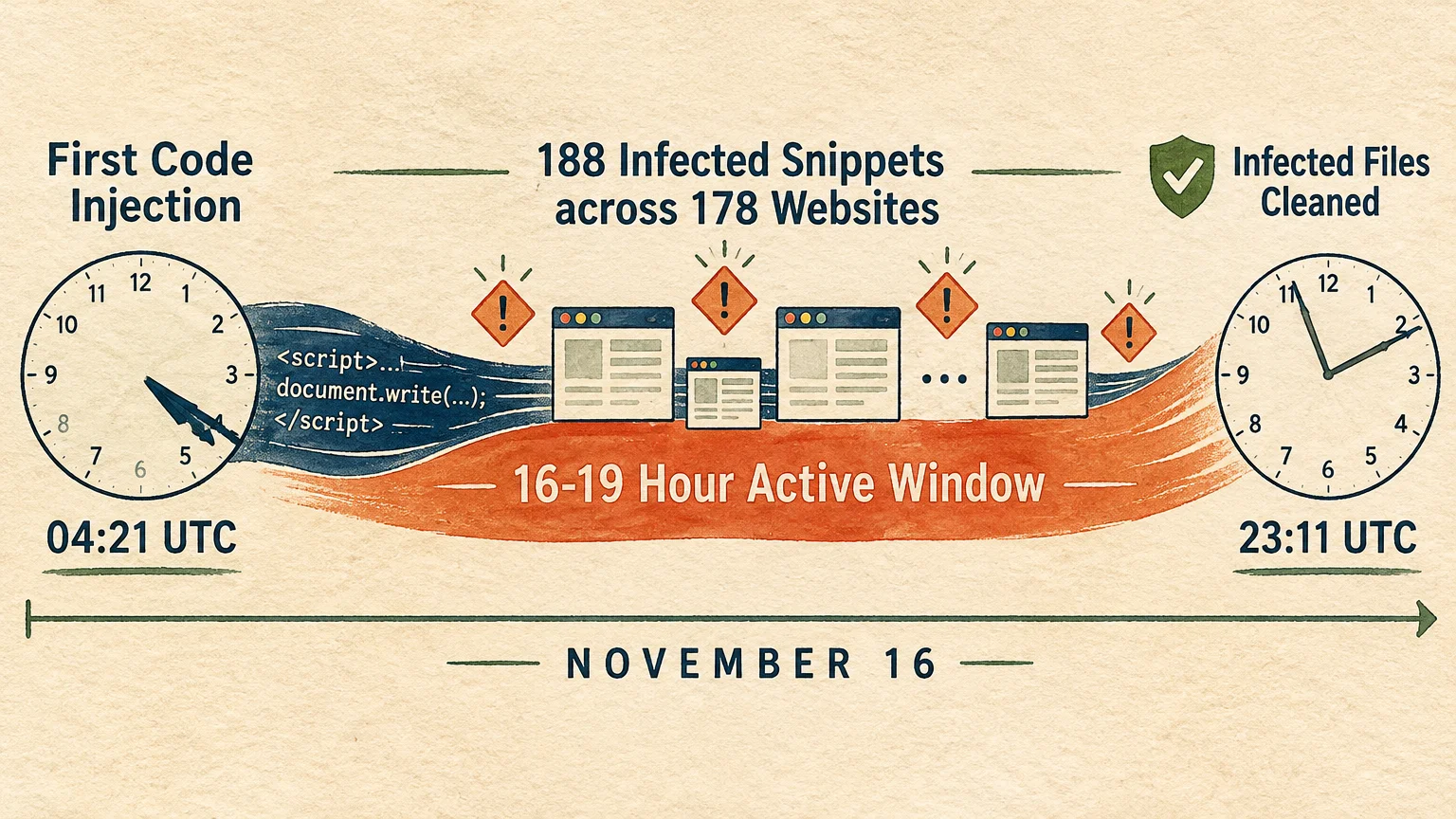
On November 16, 2026, attackers exploited a vulnerability in the account signup flow of Optimizely Web Experimentation. They injected malicious JavaScript into the customer-editable Project JavaScript field of client accounts.
Security firm Report URI and Optimizely confirmed the first injection appeared at 04:21 UTC on November 16. All observed infected files were cleaned by 23:11 UTC that same day, leaving an active exposure window of roughly 16 to 19 hours.
Security researcher Scott Helme of Report URI inspected 1,611 Optimizely scripts during the investigation. He found 188 infected snippets across at least 178 organizations, noting that the true total of affected sites may be even higher.
Seeing a retailer on this list does not mean its own backend servers suffered a traditional intrusion. Instead, these credit card skimming websites served a compromised third-party testing script to visitors’ web browsers during that narrow window.
For everyday shoppers, that distinction matters for how you respond. Your password with the retailer may remain untouched while card numbers typed into a checkout box during those hours were exposed.
On November 17, 2026, Optimizely confirmed it blocked the vulnerable signup path and removed the malicious code. The company also ended active sessions, revoked access tokens, and reported that customer passwords were not stolen.
The Major Brands Named Among the 178 Affected Websites
Banking and financial firms represented the single largest category hit by the incident. Report URI identified 32 financial organizations among the affected domains.
Researchers publicly named several high-traffic organizations across finance, retail, travel, technology, and media. Review the list below to see if you visited or paid on any of these platforms on November 16.
- Banking, Tax, and Financial Services: HSBC across 11 markets, Equifax, Paychex, TaxAct, and cryptocurrency hardware maker Ledger.
- Retail and Consumer Brands: Costco, Starbucks, IKEA, American Eagle, American Girl, Mattel, and Levi’s across Asia-Pacific, Australia, and New Zealand.
- Travel and Airlines: Air France-KLM and Alaska Airlines.
- Technology, Software, and Media: Zoom, Salesforce, GitLab, CNN, BBC, Fox News, Peacock, and Optimizely’s own website.
Remember that those named companies make up only part of the 178 confirmed organizations. Because researchers analyzed a sample of 1,611 Optimizely scripts, other major data breach websites affected by the same campaign may still surface.
Do not rely solely on memory when checking your exposure. Pull up your browser history and email order confirmations from November 16 so you do not overlook a quick purchase or subscription renewal.
How the Skimmer Worked—and Why Checkout Design Mattered
Not everyone who bought from an impacted site on November 16 had card details stolen. Report URI and The Paypers confirmed that the skimmer faced a critical technical boundary based on how each site built its checkout page.
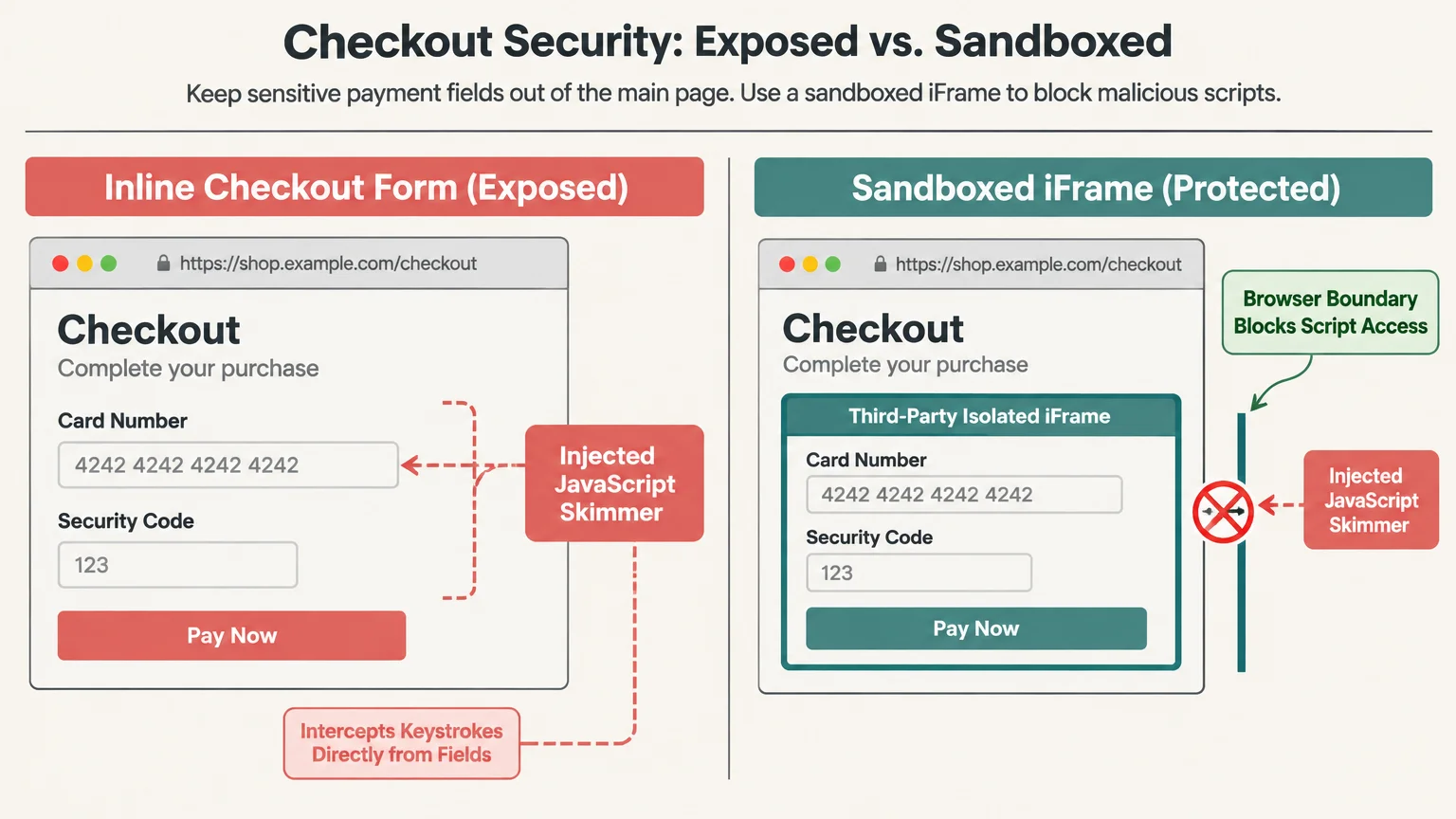
Added at 8:43 a.m. ET on November 16, the skimming code captured payment card numbers, expiration dates, and CVV security codes. However, it could only read details typed directly into a website’s own first-party checkout forms.
When a retailer processed payments inside a separate third-party hosted payment iframe, such as Stripe or Adyen, the malicious script could not read the card fields. Browser isolation rules kept those embedded payment boxes off-limits to the injected code.
As a shopper, you usually cannot tell afterward whether a checkout page used a first-party form or an isolated iframe. Treat any card entered on an affected site during the November 16 window as potentially exposed until you verify otherwise.
Card skimming was not the only payload delivered during the attack. Report URI documented three additional threats pushed through the same compromised scripts:
- Cookie and Screenshot Theft: The script stole browser cookies lacking HttpOnly protection along with screenshots of the page in view, potentially exposing active sessions or displayed account details.
- Cryptocurrency Wallet Swapping: Attackers altered crypto wallet addresses shown on affected pages, netting roughly $7,040 in verified transfers within nine hours on November 16.
- Mobile Exploit Kits: The script served the Coruna exploit kit targeting iOS 13 through 17 and the DarkSword exploit kit targeting iOS 18 to unpatched iPhones and iPads.
That mobile payload makes device maintenance just as urgent as checking your bank app. Even if you only read a news article on an affected media site, an outdated iPhone or iPad faced targeted exploit attempts.
Report URI advises Apple users to update devices to iOS 18.7.3 or later, or iOS 26.3 or later. Apple stated that the targeted flaws were patched in prior software updates and that up-to-date devices were already protected.
Why Online Shopping Fraud Is Surging Beyond This One Incident
The November 16 supply-chain compromise unfolded against a sharp rise in online shopping fraud nationwide. Criminal networks increasingly target both browser checkout pages and everyday buyers through fake storefronts.
According to Federal Trade Commission (FTC) testimony before the Joint Economic Committee on March 25, 2026, U.S. consumers filed 3 million fraud reports totaling $15.9 billion in losses in 2025. That total climbed sharply from 2.6 million reports and $12.5 billion in 2024.
Federal law enforcement numbers point to the same pressure on household budgets. The FBI Internet Crime Complaint Center (IC3) 2025 Annual Report logged a record 1,008,597 complaints and $20.877 billion in total losses, representing a 26% jump year over year.
Within those 2025 FBI complaints, non-payment and non-delivery shopping scams cost victims more than $503 million. Credit card and check fraud generated 18,774 complaints—up 46%—and $282.7 million ($282,670,235) in reported losses.
Payment cards remain a primary target because stolen numbers can be monetized quickly online. Per the FTC Consumer Sentinel Network Data Book 2024 released in March 2025, credit cards were the most frequently reported payment method in fraud cases, totaling 108,881 reports and $275 million in consumer-reported losses.
Social media feeds now drive a huge share of retail scams as well. An April 27, 2026 FTC Data Spotlight found that nearly 30% of people reporting fraud losses in 2025 said the scam started on social media, totaling $2.1 billion—an eightfold rise since 2020.
Shopping scams ranked as the top social media fraud category, making up over 40% of those social media scam reports. Shoppers clicking sponsored ads for steep discounts often land on spoofed checkout pages or receive nothing at all.
Remote transactions carry disproportionate risk across the global payment system. A January 7, 2026 Nilson Report found worldwide gross payment card fraud losses reached $33.41 billion in 2024, with the U.S. accounting for 41.87% of global losses despite holding 26.31% of global card volume.
According to a December 2025 Federal Reserve Board report, card-not-present online and remote transactions drove 54.3% of covered-issuer debit card fraud losses in 2023. Meanwhile, LexisNexis Risk Solutions reported in April 2025 that U.S. merchants spend $4.61 for every $1 of fraud loss incurred.
Regulators already pushed stricter script controls to stop browser skimming before this attack. Under PCI DSS v4.0.1 from the PCI Security Standards Council, Requirements 6.4.3 and 11.6.1 became mandatory on March 31, 2025.
Those rules require merchants to inventory, authorize, and verify every script running on payment pages while monitoring for tampering. Even with those standards in force, the November 16 compromise shows how a single trusted vendor flaw can bypass defenses across dozens of sites.
Credit Card vs. Debit Card Liability If Your Details Were Compromised
How much money you could lose from a skimming incident depends heavily on which payment method you typed into the checkout box. Federal law treats credit cards, debit cards, and cash-equivalent transfers very differently.
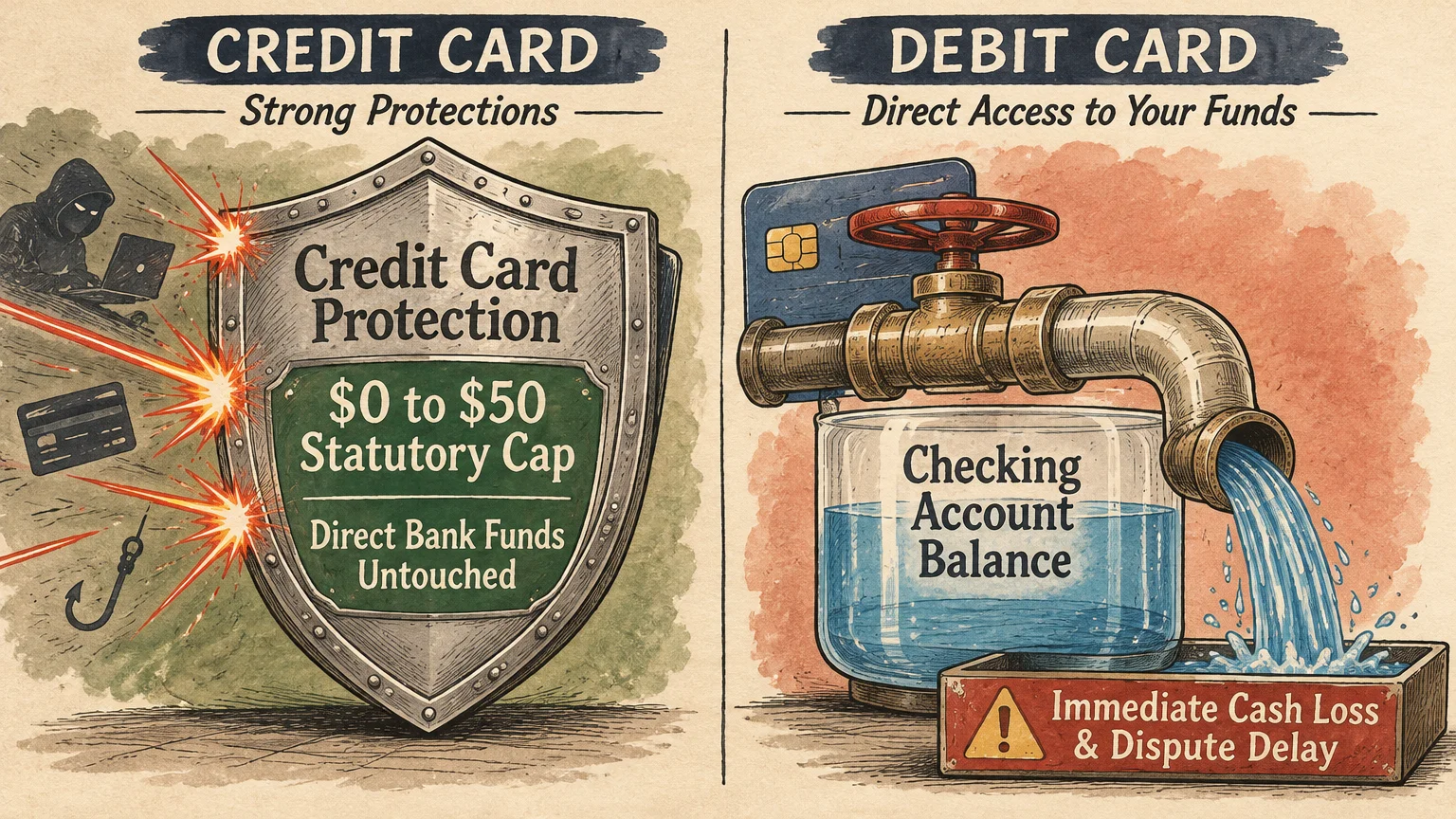
Under the federal Fair Credit Billing Act (FCBA), enforced by the FTC, your maximum liability for unauthorized charges on a lost or stolen physical credit card is $50. When someone steals only your card number for online, phone, or mail purchases, your federal liability drops to $0, according to the FDIC.
Credit card disputes also run on clear statutory clocks. Under the FCBA, as summarized by the FTC and Cornell Law School LII, you have 60 days from the date your billing statement is sent to dispute unauthorized charges or undelivered goods in writing.
Once your card issuer receives a written billing error notice, it must acknowledge your dispute within 30 days. The issuer must resolve the claim within two billing cycles, and never more than 90 days.
Debit cards follow the Electronic Fund Transfer Act (EFTA) and Regulation E, which tie your financial exposure to how fast you act. Worse, fraudulent debit charges drain cash directly from your checking account right away.
Per FTC Consumer Advice and the FDIC, your debit card liability is $0 if you report a lost or stolen card before unauthorized transfers happen. Delayed reporting raises your maximum liability to $50 or $500 depending on timing.
If you fail to report unauthorized transfers within 60 calendar days after your bank statement is sent, you risk losing all funds taken from your debit account and linked accounts. That steep cliff makes prompt statement checks essential for anyone who shops with a debit card.
| Payment Method | Governing Federal Law | Your Fraud Liability (Skimmed Number) | Reporting Deadline | Impact on Cash Flow |
|---|---|---|---|---|
| Credit Card | Fair Credit Billing Act (FCBA / Regulation Z) | $0 federal liability for unauthorized remote charges ($50 max for physical card theft) | 60 days in writing from statement date | Issuer’s money is tied up while disputed; your checking cash stays intact |
| Debit Card | Electronic Fund Transfer Act (EFTA / Regulation E) | Tiered: $0, $50, $500, or unlimited loss after 60 calendar days | Immediate; 60 calendar days after statement is sent | Cash leaves your checking balance immediately during investigation |
| Wire Transfers, Gift Cards, Payment Apps, or Crypto | No comparable FCBA or EFTA card dispute protections | Typically 100% unrecoverable once sent | Report to platform and law enforcement immediately | Funds are gone permanently in most scam scenarios |
You can review additional federal banking rules and complaint tools through the Consumer Financial Protection Bureau (CFPB) and the Federal Reserve. Keeping those protections in mind makes choosing a credit card for online purchases an easy financial safeguard.
Step-by-Step Checklist to Check Your Accounts and Protect Payment Information
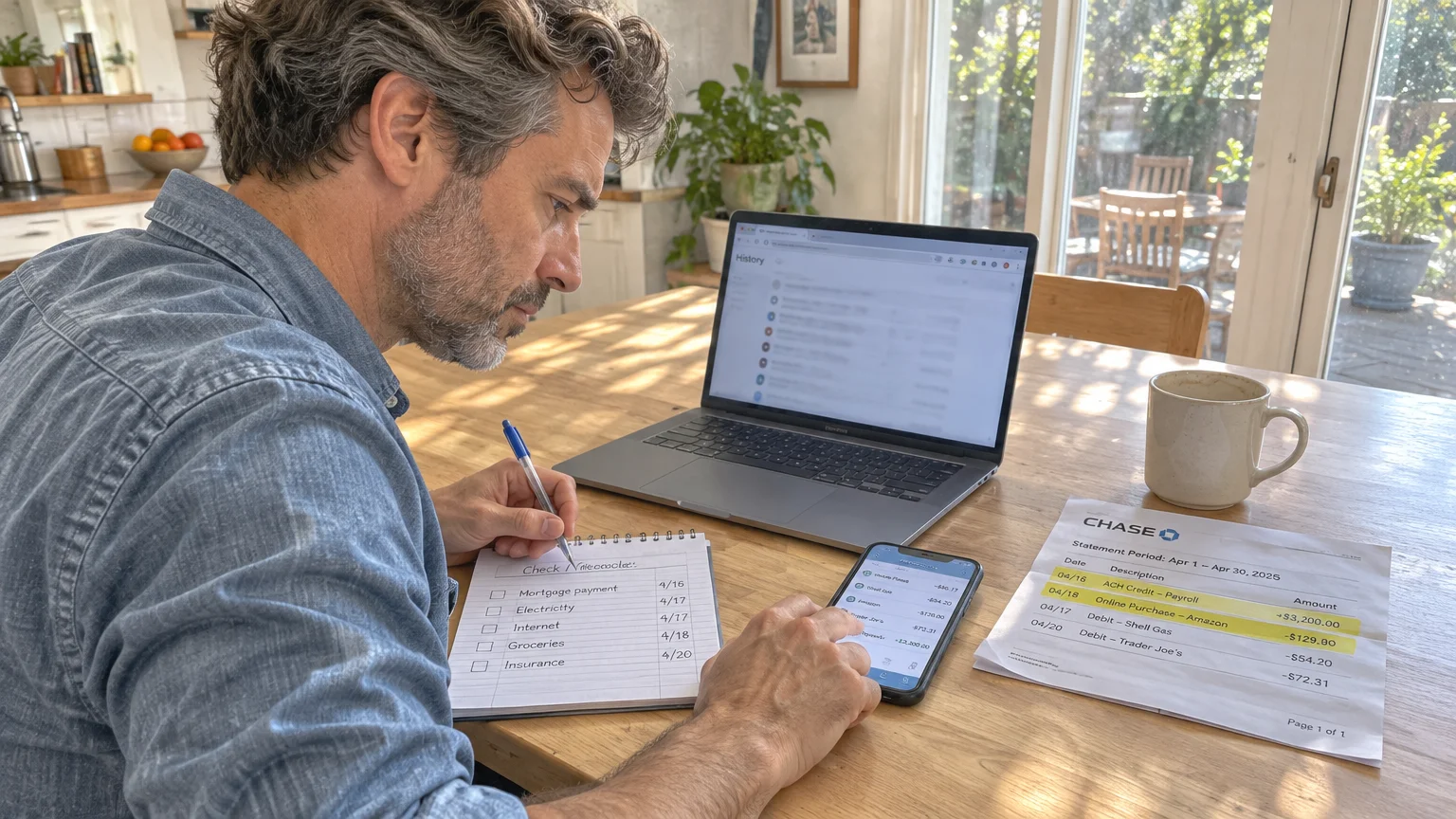
If you recognize any brand from the November 16 incident—or simply want stronger habits against credit card skimming websites—take action in order. Following a structured checklist prevents missed charges and locks down vulnerable devices.
- Audit your November 16 activity: Search your browser history and email inbox for orders, logins, or visits on November 16, 2026, especially during the 04:21 UTC to 23:11 UTC exposure window.
- Check your credit card statement and checking account: Review every pending and posted line item from mid-November onward, paying close attention to small test charges under a few dollars that scammers run before larger purchases.
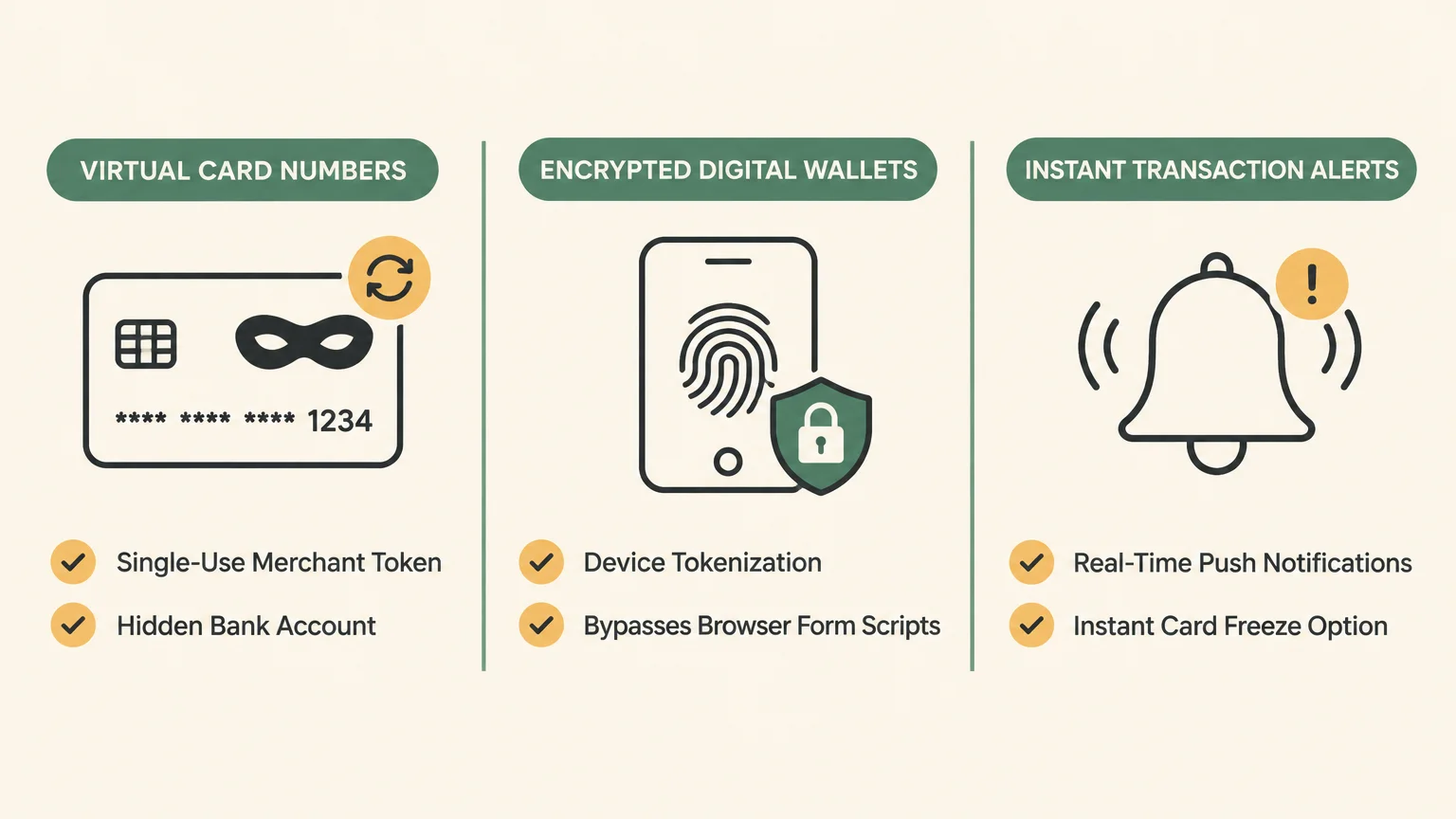
- Enable real-time transaction alerts: Turn on push notifications, text alerts, or email alerts in your bank and credit card apps for every card-not-present purchase, international charge, or balance change.
- Call your card issuer immediately if anything looks wrong: Report unauthorized transactions right away, request a replacement card number, and follow up in writing within 60 days of your statement date to preserve FCBA rights.
- Update your Apple devices now: Install iOS 18.7.3 or later, or iOS 26.3 or later, on iPhones and iPads to block the Coruna and DarkSword exploit kits served during the attack.
- Clear browser sessions and verify wallet details: Log out and back in on financial or shopping accounts visited on November 16 to refresh cookies, and double-check every character of cryptocurrency wallet addresses before confirming transfers.
- Save documentation and file official reports: Keep screenshots, receipts, and order confirmations, then report fraud to the FTC at ReportFraud.ftc.gov and to the FBI at ic3.gov.
Even if your statements look clean today, stay alert over the coming billing cycles. Skimmed card numbers are frequently bundled, sold, and tested weeks or months after the original compromise.
Set a recurring calendar reminder every two weeks to scan your credit card and checking accounts. A five-minute review keeps you well inside the 60-day statutory dispute window for both credit and debit cards.
For practical tips on monitoring recurring charges and evaluating card security tools, explore guidance from Consumer Reports. Combining automated bank alerts with manual statement checks closes most gaps criminals count on.
Pitfalls to Watch For When Shopping Online
Many shoppers lose money not because they ignored a warning, but because a routine habit left them exposed. Avoid these common mistakes whenever you buy online or respond to breach news.
- Using a debit card for online checkouts: Paying with debit puts your rent, utility, and grocery money at direct risk if a merchant page is skimmed.
- Clicking paid search ads instead of typing URLs: In a November 19, 2026 consumer alert, the FTC urged shoppers to scroll past paid search ads and type known retailer web addresses directly into the browser.
- Skipping background checks on unfamiliar sellers: Before buying from a new store—especially one advertised on social media—search the seller name alongside the words complaint or scam.
- Paying with gift cards, wires, payment apps, or crypto: The FTC warns that any online seller demanding these payment methods is likely running a scam, because your money cannot be clawed back easily once sent.
- Trusting unexpected texts or calls about fraud: Scammers often follow news of major data breach websites with fake bank alerts asking you to read back a one-time passcode or CVV.
- Waiting for paper statements to arrive: Relying on monthly mail slows down your response and can push debit card victims closer to the 60-day reporting cliff.
Paying online with a credit card and checking your statements well within 60 days gives you $0 federal liability for skimmed card numbers, whereas waiting on a debit card can expose your entire linked checking balance.
If an incoming caller claims to represent your bank’s fraud desk, hang up immediately. Dial the official customer service number printed on the back of your card instead.
Frequently Asked Questions About the 178-Website Skimming Alert
Did these 178 major websites suffer a traditional backend data breach?
No, appearing on the list means the website served a compromised third-party Optimizely script in visitors’ browsers on November 16, 2026. Optimizely confirmed it removed the injected code, revoked tokens, and found that customer passwords were not stolen.
Am I at risk if I only browsed an affected site without entering a card?
You could still face exposure depending on your device and browser activity during those hours. Report URI found that the script also stole non-HttpOnly cookies, captured screenshots, swapped crypto wallet addresses, and delivered Coruna and DarkSword exploit kits to unpatched iPhones and iPads.
Why was my card safe if the website used Stripe or Adyen at checkout?
The malicious JavaScript could only read payment card numbers, expiration dates, and CVV codes typed into a site’s own first-party checkout forms. Separate third-party hosted payment iframes such as Stripe or Adyen isolate card inputs from scripts running on the main page.
How long do I have to dispute a fraudulent charge on my statement?
For credit cards, the Fair Credit Billing Act gives you 60 days from the date your statement is sent to dispute unauthorized charges in writing. For debit cards, failing to report unauthorized transfers within 60 calendar days can leave you liable for all funds drained from your account.
Practical Next Steps to Keep Your Payments Safe
Take ten minutes today to review your November 16 activity, check your credit card statement, and update any Apple devices to iOS 18.7.3 or 26.3 or later. Switching future online checkouts exclusively to a credit card with real-time alerts ensures federal law stays firmly on your side.
This is educational content based on general financial principles. Individual results vary based on your situation. Always verify current tax laws, investment rules, and benefit eligibility with official sources.
Last updated: November 2026. Financial regulations and rates change frequently—verify current details with official sources.