Choosing the wrong Medicare plan can quietly drain thousands of dollars from your retirement nest egg. Preparing early lets you lock in the right coverage before open enrollment deadlines pass.
Significant federal updates take effect in 2027, reshaping out-of-pocket drug caps, deductibles, and private plan networks. Evaluating your health profile against these shifts ensures you avoid costly coverage surprises.
Using a targeted checklist saves you substantial money and eliminates unexpected medical bills. Here are twelve critical questions to guide your Medicare decision for 2027.
The Essentials for Medicare in 2027
Medicare rules evolve every year, but 2027 brings landmark updates to federal prescription drug caps and plan pricing structures.
Reviewing your plan annually prevents automatic rollovers into arrangements that no longer serve your medical or financial needs.
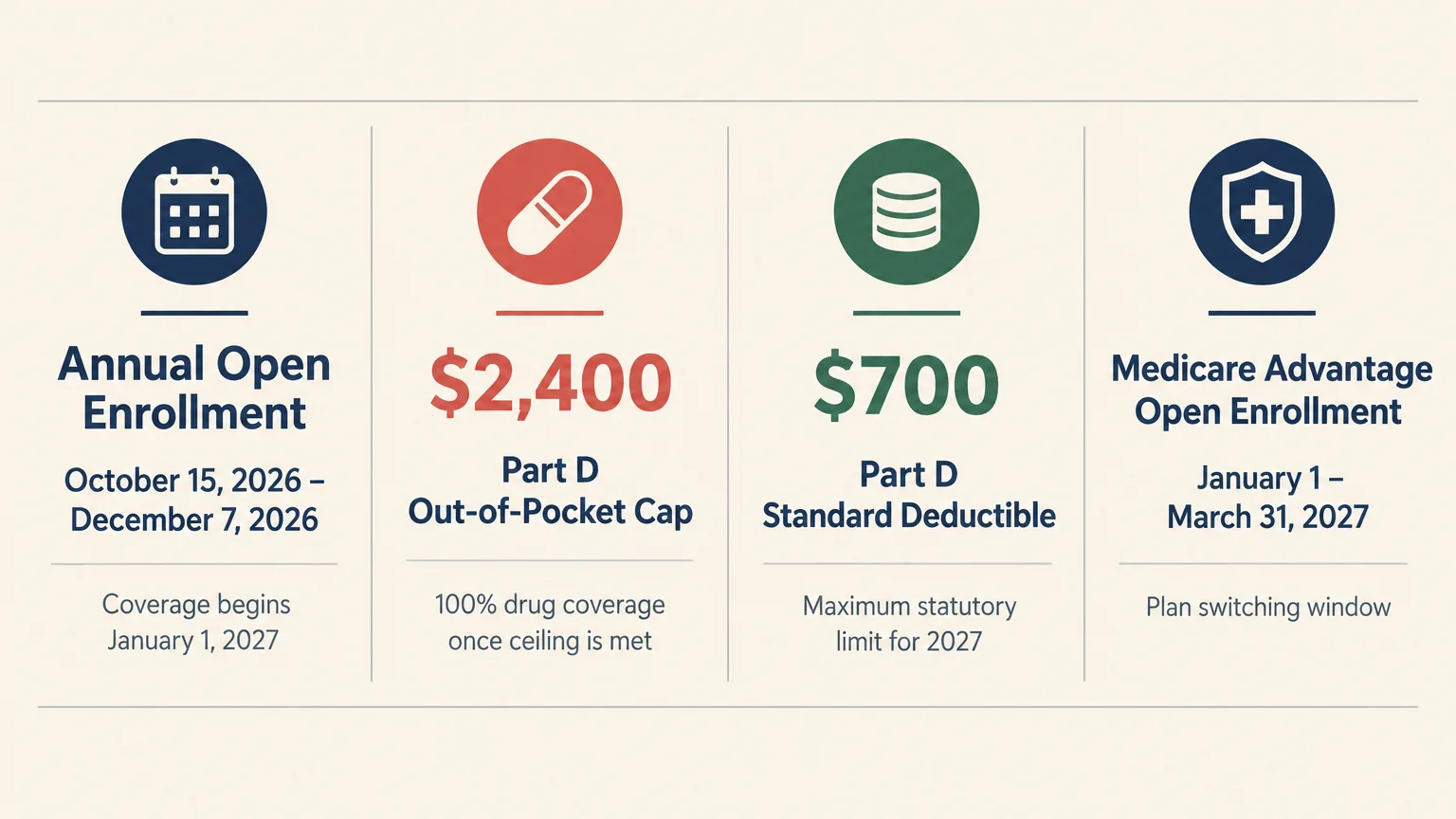
- Annual Open Enrollment: Runs from October 15, 2026, through December 7, 2026, for coverage starting January 1, 2027.
- Part D Out-of-Pocket Cap: Capped at $2,400 for 2027, protecting beneficiaries from catastrophic prescription expenses.
- Part D Standard Deductible: Reaches up to $700 in 2027 across participating prescription plans.
- Medicare Advantage Open Enrollment: Extends from January 1 through March 31, 2027, for plan switching.

1. Are My Doctors and Hospitals Still in Network?
Medicare Advantage plans frequently revise their provider networks each autumn. A clinic you visited this year might not contract with the same insurer for 2027.
Always verify network status directly with your preferred physicians rather than relying solely on online plan directories.
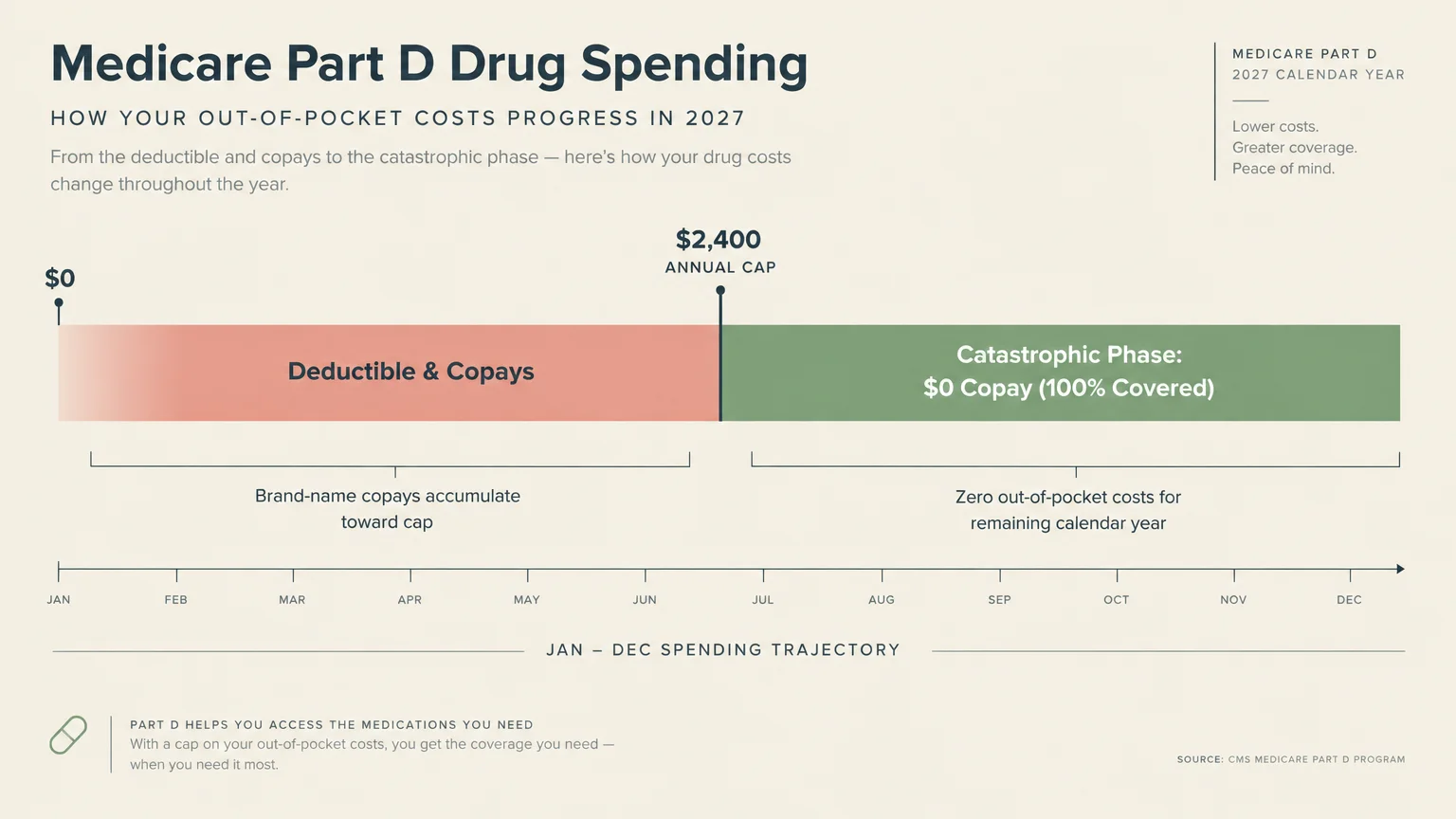
2. How Does the $2,400 Part D Out-of-Pocket Cap Affect Me?
Federal law caps annual out-of-pocket prescription expenses at $2,400 for 2027. Once your spending hits this ceiling, your covered Part D drugs cost zero dollars for the remainder of the calendar year.
If you take brand-name medications, calculate your expected refill dates to anticipate when your copays will drop to zero.
3. Does the Plan Charge a Deductible Up to the $700 Limit?
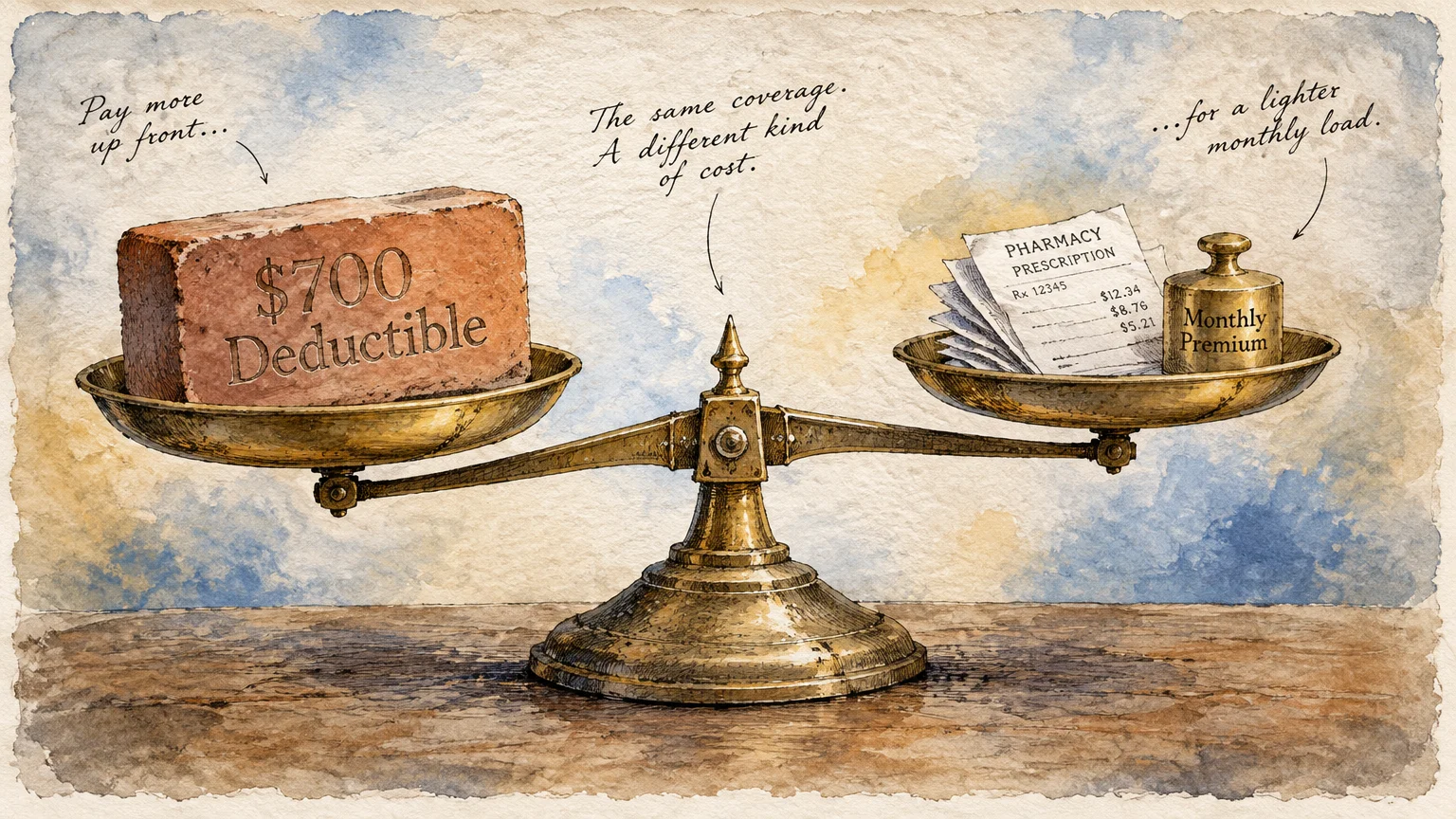
The standard Medicare Part D deductible can reach up to $700 in 2027. While some plans waive deductibles on generic tiers, others require you to pay full drug costs upfront.
Compare whether a plan with a lower monthly premium offsets the initial out-of-pocket burden of a higher deductible.
4. Are My Regular Medications on the Plan’s 2027 Formulary?
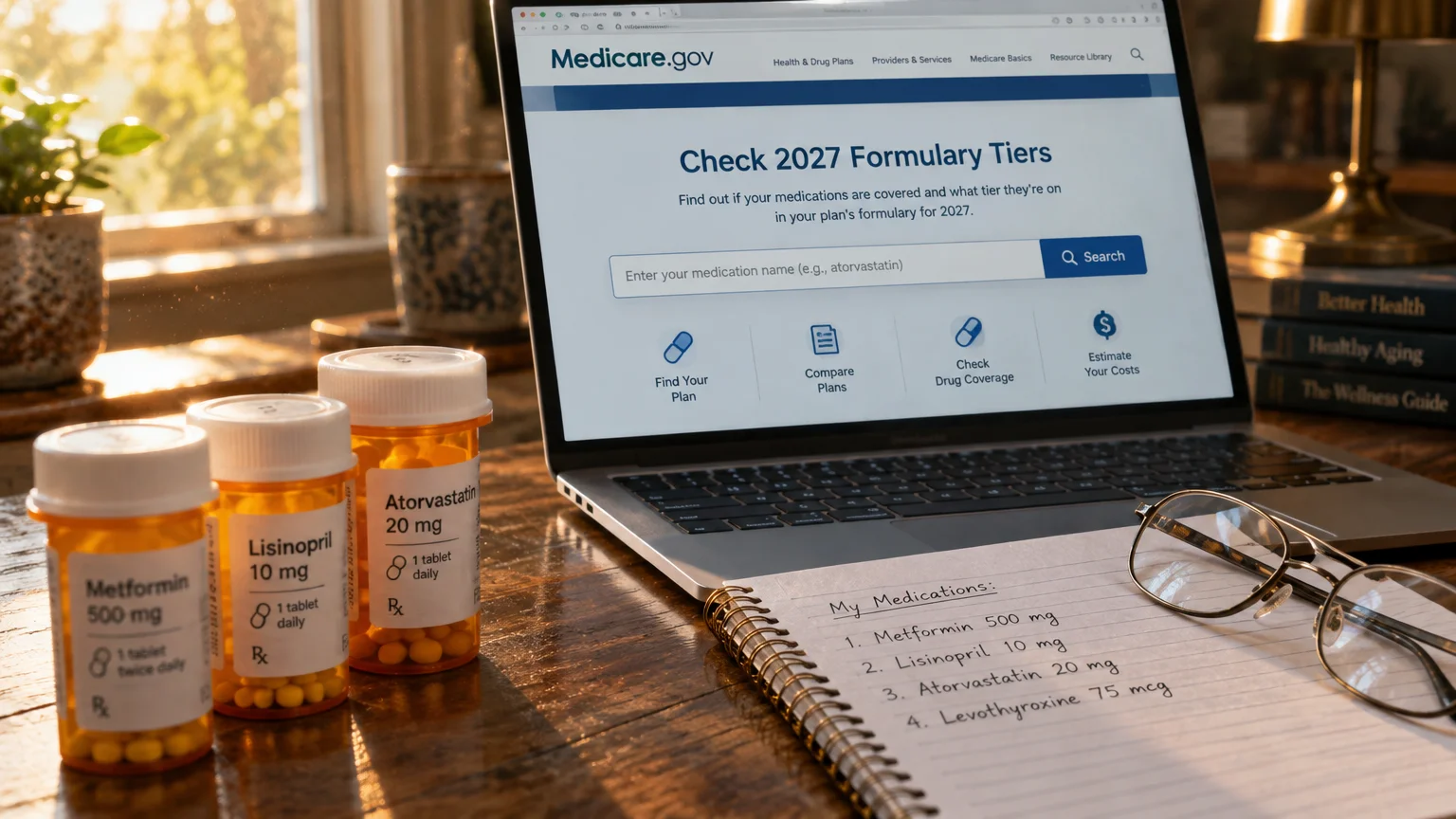
Insurance carriers adjust drug tiers annually, which changes what you pay out of pocket. A medication categorized as a preferred generic this year might jump to a non-preferred tier for 2027.
Input your complete medication list into the official Medicare Plan Finder on Medicare.gov to check exact tier placements and copays.
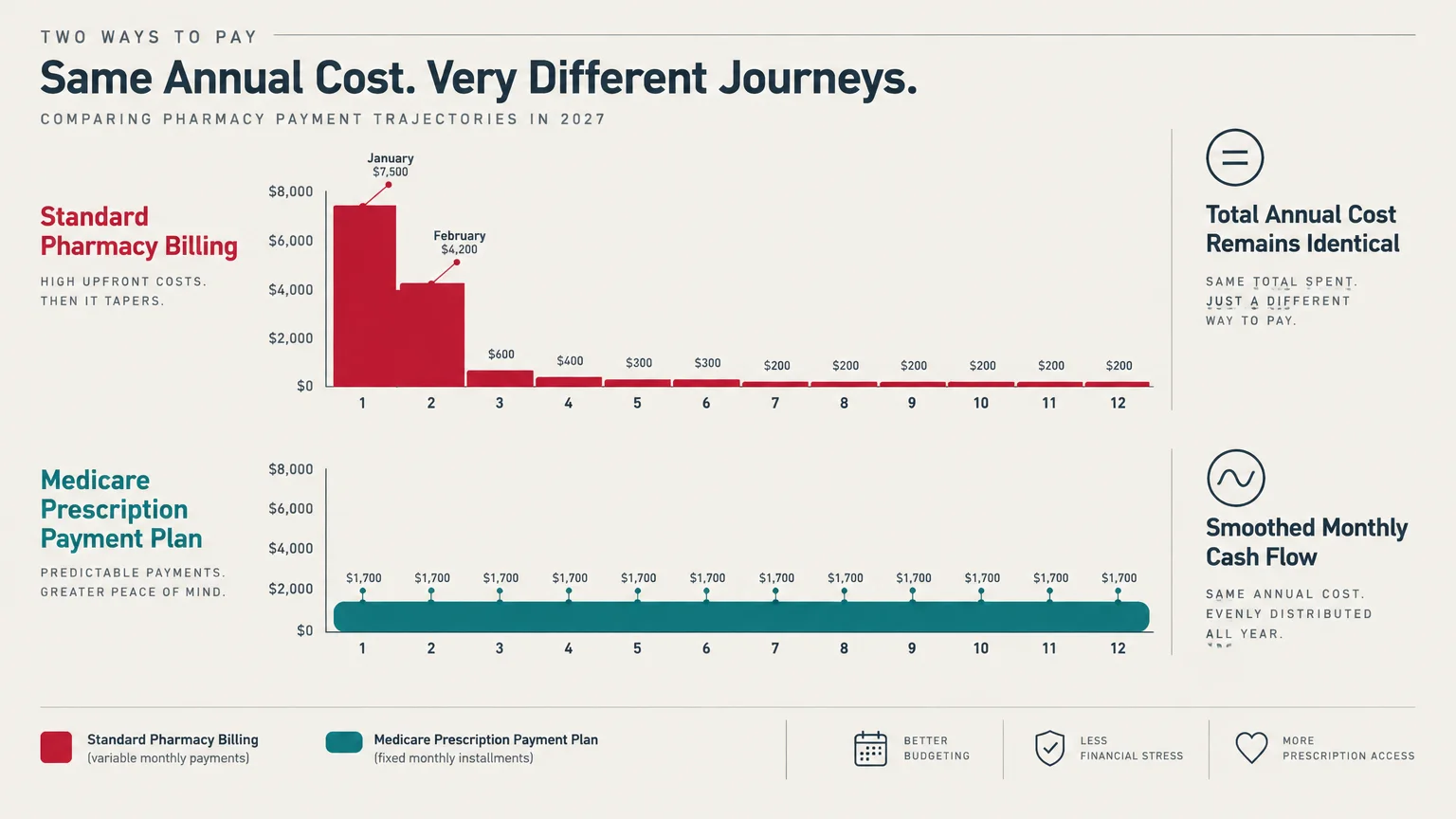
5. Should I Use the Medicare Prescription Payment Plan?
The Medicare Prescription Payment Plan allows enrollees to spread pharmacy costs across predictable monthly installments. This voluntary billing option prevents massive out-of-pocket bills during your first pharmacy visits in January.
This payment program does not reduce your total prescription costs, but it substantially stabilizes your monthly household cash flow.

6. Medicare Advantage vs. Medigap: Which Structure Fits My Budget?
Choosing between Medicare Advantage and Original Medicare with a Medigap supplement represents your fundamental healthcare trade-off. Medicare Advantage offers low premiums with restricted networks, whereas Medigap offers nationwide provider freedom with higher upfront monthly costs.
Examine your travel habits and willingness to navigate prior authorization hurdles before committing to a private HMO or PPO model.
Review the primary differences between these two pathways below:
| Feature | Original Medicare + Medigap | Medicare Advantage (Part C) |
|---|---|---|
| Provider Choice | Any doctor nationwide accepting Medicare | Restricted HMO or PPO provider networks |
| Monthly Premiums | Higher monthly premium for predictable bills | Often low or zero-dollar plan premiums |
| Part D Drug Cap (2027) | $2,400 out-of-pocket maximum via standalone PDP | $2,400 out-of-pocket maximum integrated |
| Prior Authorizations | Rarely required for covered medical care | Frequently required for specialists and procedures |
| Annual Switching Flexibility | Subject to medical underwriting in most states | Guaranteed annual switching during open enrollment |

7. Can I Switch Back to Medigap Later Without Underwriting?
Many beneficiaries assume they can transition freely between Medicare Advantage and Medigap during fall open enrollment. In most states, insurers can evaluate your medical history and deny Medigap coverage if you switch after your initial window.
Unless you qualify for a federal trial right or state-specific guaranteed-issue protection, leaving Medigap may permanently lock you out of comprehensive supplemental coverage.

8. What Is the Maximum Out-of-Pocket Limit?
Original Medicare carries no annual ceiling on your 20 percent Part B coinsurance liabilities. In contrast, Medicare Advantage plans legally cap your annual medical spending for covered services.
Check whether your plan sets its maximum out-of-pocket limit near the federal allowable threshold or provides a safer, lower ceiling.

9. How Will the End of Premium Stabilization Impact Standalone Part D?
The federal Premium Stabilization Demonstration ends after 2026, removing temporary subsidies for standalone prescription drug plans. Industry analysts anticipate that some standalone Part D plans may raise monthly premiums or restructure formularies in 2027.
If you maintain Original Medicare with a standalone drug plan, scrutinize your Annual Notice of Change to catch rising monthly premiums.
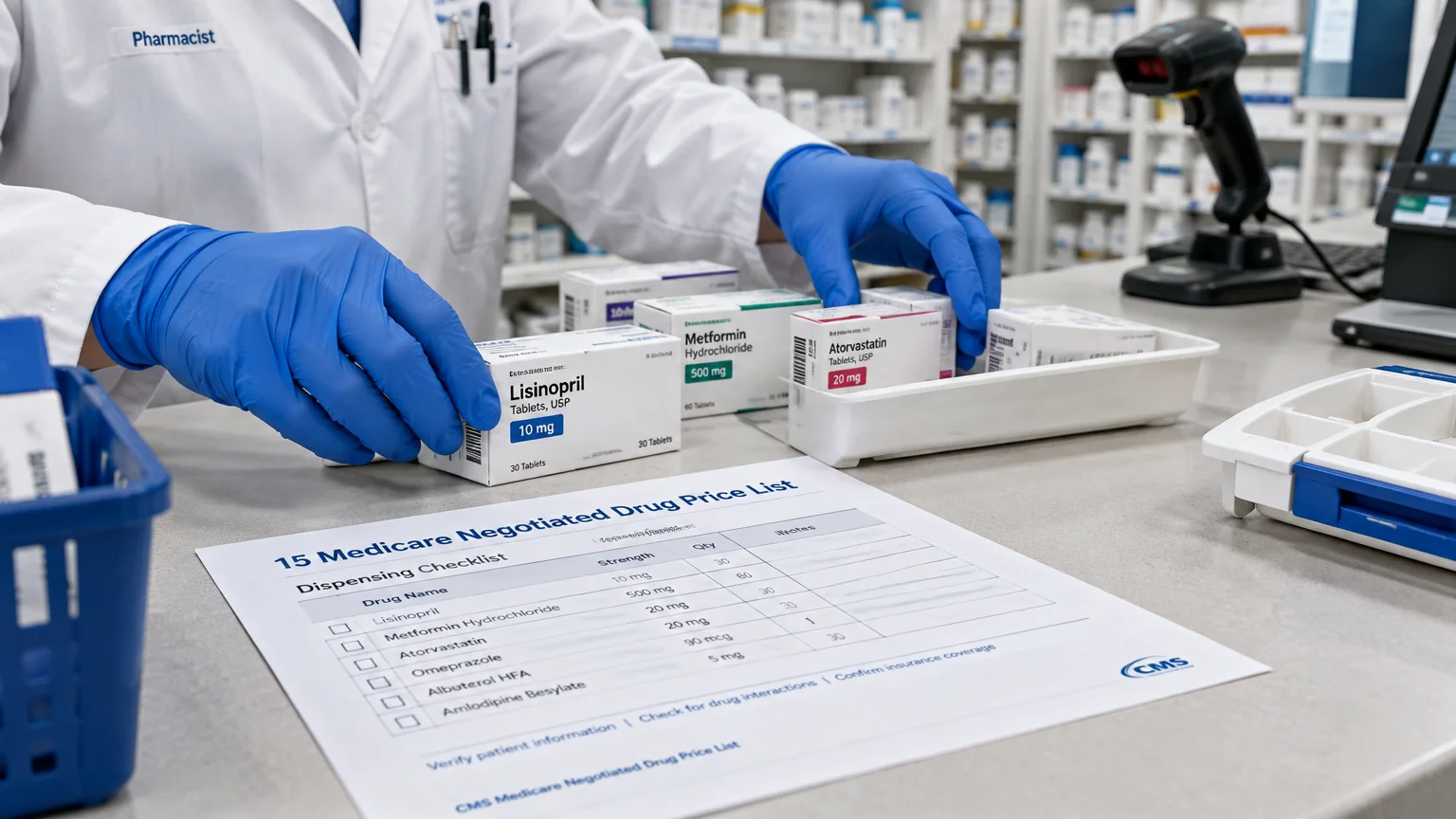
10. Do I Take Any of the 15 Newly Negotiated Drugs?
Beginning January 1, 2027, federal maximum fair prices take effect for a second wave of 15 high-cost Part D medications. These treatments include widely prescribed therapies such as Ozempic and Trelegy Ellipta.
If your doctor prescribes any negotiated medications, review how your chosen plan adjusts its coinsurance rates to pass those savings along.

11. Are the Advertised Extra Benefits Actually Usable?
Medicare Advantage commercials emphasize extra perks such as dental stipends, vision hardware allowances, and grocery allowances. However, these supplemental benefits frequently include strict spending caps, narrow provider networks, and special eligibility hurdles.
Base your plan decision on essential medical and prescription coverage rather than flashy perks that provide marginal financial value.
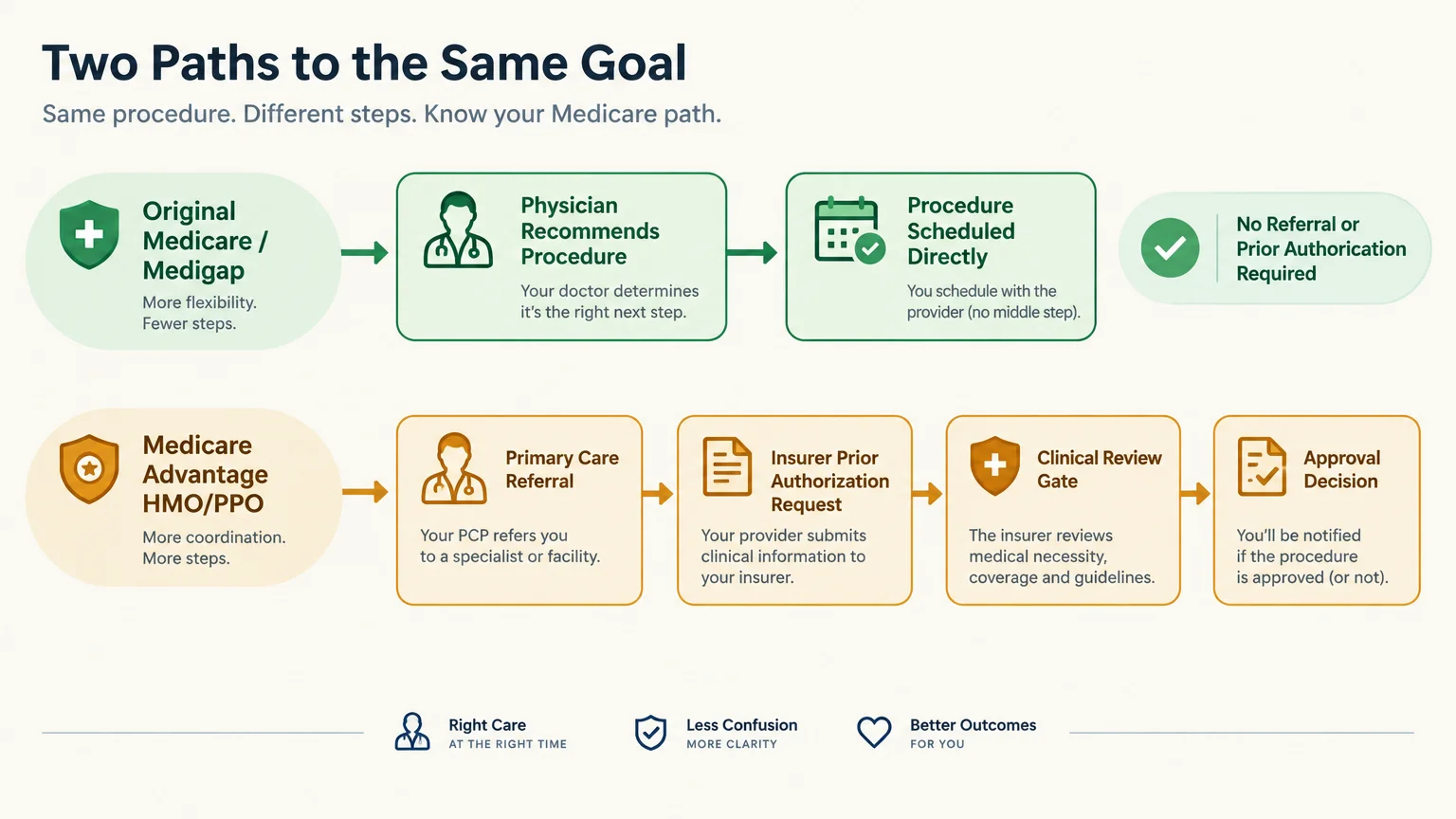
12. Does the Plan Require Prior Authorizations and Referrals?
Most Medicare Advantage plans require prior authorization before approving advanced imaging, specialized surgeries, or skilled nursing care. Original Medicare rarely requires pre-approval for medically necessary services ordered by participating physicians.
Consider how administrative delays might affect your stress levels if you face an unexpected medical diagnosis.
“You cannot afford to gamble with your health insurance in retirement. One unexpected illness without proper coverage can wipe out decades of careful saving.” — Suze Orman, Personal Finance Expert

Avoiding Common Errors During Open Enrollment
The most expensive mistake is letting your plan automatically renew without reviewing your Annual Notice of Change.
Insurers change formularies and provider directories every year, making passive auto-renewal a dangerous financial gamble.
Another frequent trap involves choosing a plan based solely on a zero-dollar monthly premium.
Zero-premium plans often carry high copayments, expensive specialist fees, and restrictive doctor networks that cost far more over twelve months.
According to research from the Consumer Financial Protection Bureau, medical debt remains a major source of financial strain for older Americans on fixed incomes.

When DIY Isn’t Enough
Navigating dozens of plan options can overwhelm even meticulous researchers. Seeking qualified guidance makes sense in several complex scenarios.
- Relocating across state lines or moving outside your plan’s regional coverage territory.
- Transitioning away from employer-sponsored retiree benefits into individual Medicare coverage.
- Managing multiple chronic conditions requiring complex, high-tier specialty medications.
- Checking eligibility for dual Medicaid status or the federal Extra Help low-income subsidy program.
Connect with your State Health Insurance Assistance Program (SHIP) through official resources on Medicare.gov for unbiased, free counseling.
You can also review retirement healthcare projections using guidelines from the Social Security Administration.
Financial educational portals like Investopedia also offer deep dives into retirement healthcare budgeting.
Frequently Asked Questions
When does the 2027 open enrollment period take place?
The fall Annual Open Enrollment Period runs from October 15, 2026, through December 7, 2026. Coverage you choose during this window takes effect on January 1, 2027.
Can I change my Medicare plan after December 7, 2026?
Yes, if you currently have a Medicare Advantage plan. The Medicare Advantage Open Enrollment Period runs from January 1 through March 31, 2027, allowing you to switch plans or return to Original Medicare.
How does the $2,400 Part D cap work if I switch plans mid-year?
Your spending progress toward the $2,400 cap generally transfers with you during the calendar year. Medicare tracks your true out-of-pocket spending across all participating Part D plans.
Are adult vaccines and insulin still capped in 2027?
Yes, standard insulin remains capped at $35 per monthly prescription under federal law. Recommended adult vaccines, including shingles and flu shots, continue to carry a zero-dollar copay.
Next Steps for Your 2027 Medicare Plan
Start by gathering your current medication list, dosage details, and preferred doctor names before open enrollment begins on October 15, 2026.
Compare your options thoroughly, run total annual cost estimates, and choose a plan that protects both your health and your retirement budget.
The information in this guide is meant for educational purposes. Your specific circumstances—including income, debt, tax situation, and goals—may require different approaches, so consult a licensed professional when in doubt.
Last updated: February 2026. Financial regulations and rates change frequently—verify current details with official sources.