Moving to a state without personal income tax can save you thousands of dollars each year during retirement. Keeping that money allows you to fund your personal lifestyle rather than handing your hard-earned wealth to a state revenue agency.
Nine states levy no broad personal income tax on distributions from traditional 401(k) accounts, private pensions, or Social Security checks. However, skipping an income tax does not automatically make a state affordable for every household.
Elevated retail sales taxes, steep real estate assessments, and specialized excise levies can quietly deplete your retirement nest egg. Evaluating these geographic trade-offs helps you protect your cash flow and pick the right home for your future.

The Financial Appeal of Zero-Income-Tax States
Traditional retirement savings come with a substantial tax liability. When you withdraw money from a traditional IRA or 401(k), the Internal Revenue Service treats every dollar as ordinary taxable income.
Most states mirror federal rules, applying their own tax brackets to your qualified withdrawals. If you reside in a high-tax state, state taxes can easily claim 5% to 13% of your distributions.
Relocating to an income-tax-free state eliminates that layer of taxation immediately. If you withdraw $80,000 annually from retirement accounts, avoiding a 6% state income tax saves you $4,800 every single year.
Over a twenty-year retirement, those cumulative savings can easily surpass $100,000 when invested wisely. You can use that preserved capital to absorb healthcare expenses, support grandchildren, or travel comfortably.
However, state governments must fund public services, emergency responders, roads, and municipal infrastructure. When a state declines to tax personal income, it invariably collects revenue through sales taxes, property taxes, or corporate fees.
“In investing, you get what you don’t pay for. Costs matter.” — John Bogle, Founder of Vanguard
Taxes represent one of your largest recurring expenses in retirement. Reducing your tax overhead provides an immediate return on investment without requiring you to take additional portfolio risks.
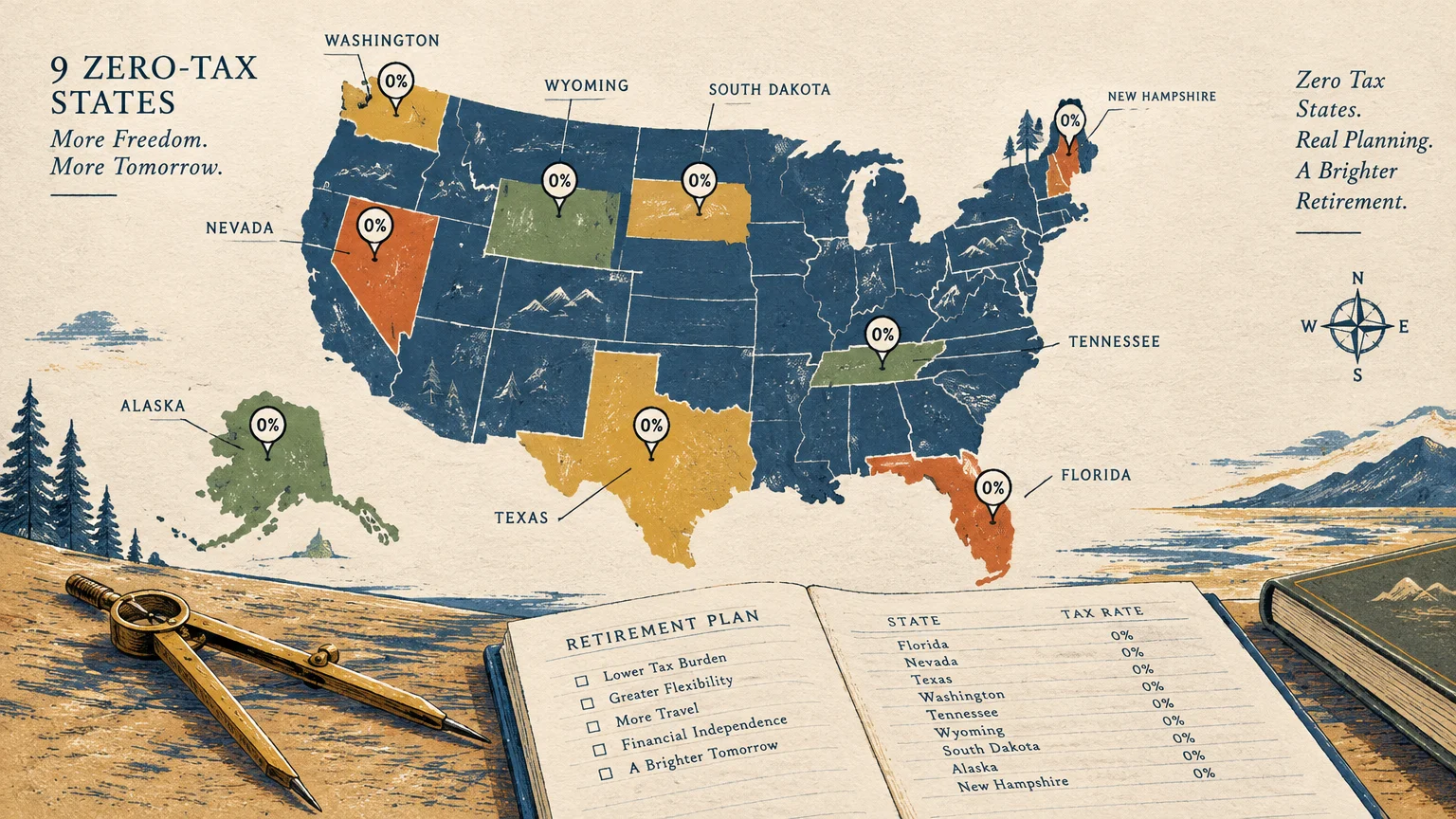
The Nine States with No Personal Income Tax in 2026
Nine states do not levy a personal income tax on your wages, pensions, or investment portfolios. Understanding how each state designs its revenue system enables you to choose an environment that matches your retirement goals.
1. Florida
Florida remains one of the most popular destinations for retirees seeking sunshine and favorable tax policies. The state constitution prohibits personal income taxes, fully shielding your retirement distributions, pensions, and investment returns.
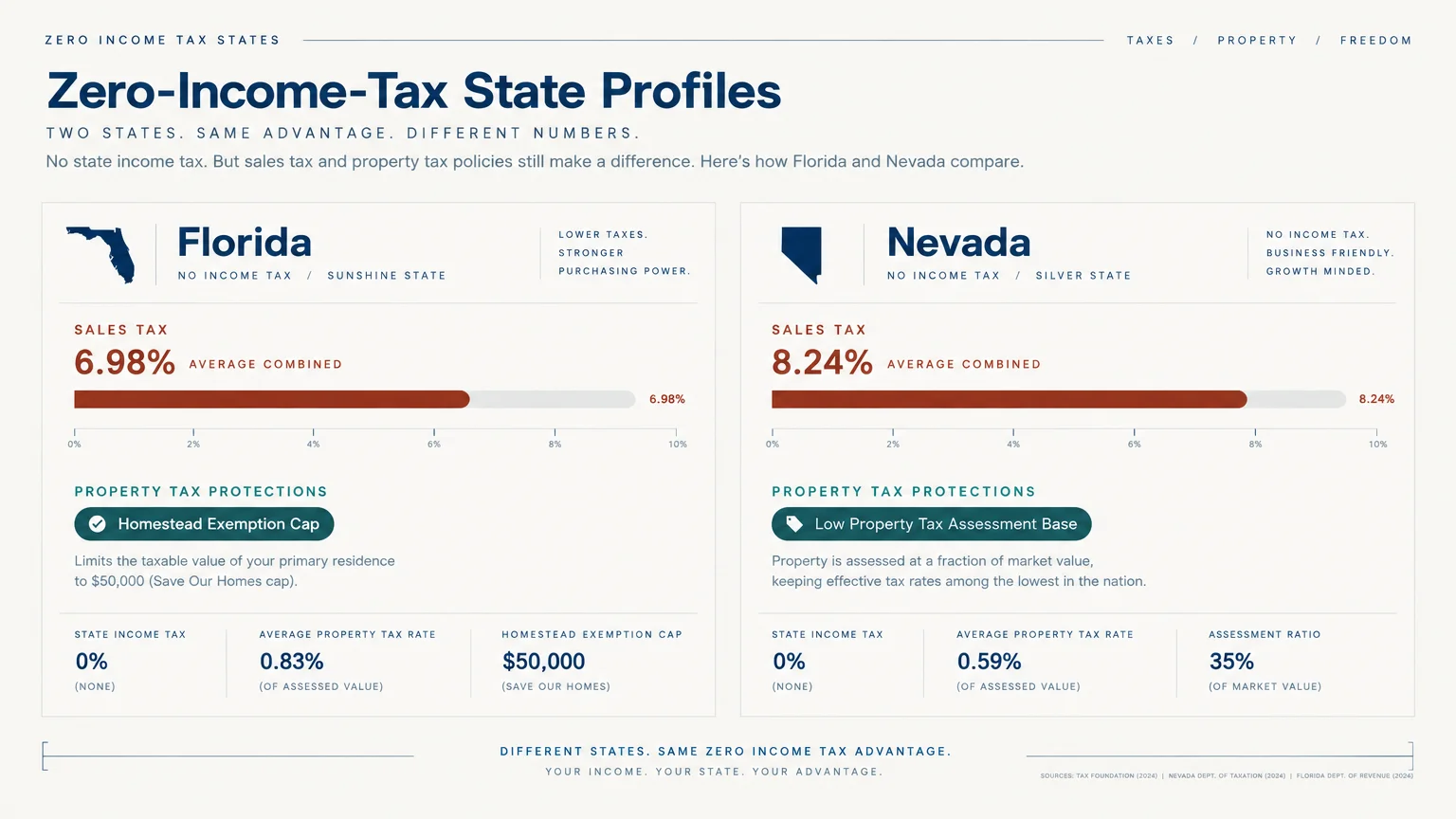
Florida balances its budget through tourism revenues and a moderate state sales tax. The average combined state and local sales tax sits at 6.98%, which remains manageable for most budgets.
Property tax burdens in Florida stay relatively low compared to northern states. The state’s permanent Homestead Exemption also caps annual assessment increases on primary residences, providing predictability for aging homeowners.
However, property insurance premiums have climbed sharply across coastal counties. You must factor escalating homeowners insurance rates into your housing budget before relocating.
2. Nevada
Nevada attracts retirees with warm desert climates, vibrant entertainment hubs, and a strictly tax-friendly legal environment. The state levies no personal income tax, corporate income tax, or franchise fees on individuals.
Nevada relies heavily on gaming revenue and consumer sales taxes to fund public services. The average combined state and local sales tax rate is 8.24%, which increases everyday retail expenses.
Property taxes in Nevada remain among the lowest in the western United States. The state enforces statutory caps that limit annual residential property tax bill increases to 3% for primary residences.
Healthcare access can become constrained in rural Nevada communities. If you require specialized medical treatments, focus your home search near Reno or the Las Vegas metropolitan area.
3. Texas
Texas provides a robust economy and zero personal income tax on all retirement earnings. Whether you rely on public pensions, military retirement pay, or IRA drawdowns, Texas takes zero percent.
The trade-off in Texas arrives directly through county property tax bills. Texas features some of the highest effective residential property tax rates in the entire nation.
The state also relies on retail consumption to generate state revenue. The statewide sales tax rate stands at 6.25%, with municipal add-ons pushing local rates up to 8.25%.
Texas does offer a property tax freeze for homeowners aged 65 and older on school district taxes. This relief mechanism stabilizes your largest recurring property tax component as you age.
4. Tennessee
Tennessee offers mild seasons, scenic mountain landscapes, and complete freedom from personal income taxes. The state phased out its historic Hall Income Tax years ago, ensuring investment dividends and interest remain untaxed.
To fund state operations, Tennessee depends heavily on gross consumption receipts. According to the Tax Foundation’s Midyear 2026 data, Tennessee carries the second-highest average combined sales tax in the country at 9.61%.
Groceries face state taxation in Tennessee, although the state frequently debates temporary grocery tax holidays. You must plan for higher checkout totals on everyday goods and retail purchases.
In exchange, Tennessee maintains exceptionally low residential property taxes. Seniors with modest housing footprints often find that lower property tax bills easily offset the elevated sales tax rate.
5. Wyoming
Wyoming presents an exceptional tax shelter for retirees who appreciate wide-open spaces, mountain views, and quiet rural communities. The state imposes no personal income tax, corporate income tax, or gross receipts tax.
Wyoming funds the majority of its public services through mineral extraction taxes on oil, natural gas, and coal. Because energy producers shoulder the fiscal burden, individual residents enjoy remarkably low levies across all categories.
The state features an average combined state and local sales tax of just 5.44%. That low rate makes shopping and consumer spending far more affordable than in neighboring mountain states.
Effective property taxes in Wyoming also rank among the lowest in the nation. However, harsh winter conditions and isolated healthcare facilities require careful lifestyle evaluation before you make the move.
6. South Dakota
South Dakota maintains a strictly conservative fiscal environment without personal income taxes or corporate income levies. Your pension income, Social Security, and 401(k) withdrawals remain entirely intact.
The state supports its budget through consumer sales taxes and tourism activity around the Black Hills. South Dakota levies a 4.2% state sales tax, with local cities adding modest municipal taxes.
Property taxes in South Dakota sit near national averages, leaning higher than Wyoming or Nevada. The state offers an assessment freeze program for qualifying elderly homeowners with limited household incomes.
Retirees who enjoy outdoor recreation and quiet towns often thrive in South Dakota. You must, however, prepare for severe winter weather and limited transportation options between major medical centers.
7. New Hampshire
New Hampshire provides a rare fiscal profile by combining zero income tax with zero general sales tax. The state historically levied a tax on interest and dividend income, which formerly penalized conservative investors.
However, New Hampshire fully phased out and repealed its Interest and Dividends Tax effective January 1, 2025. In 2026, the state operates as a genuine zero-income-tax haven for all retirees.
You can buy groceries, electronics, and vehicles without paying a single penny in state retail sales tax. This unique dual-exemption makes day-to-day shopping exceptionally cost-effective.
The compromise appears on local town real estate assessments. New Hampshire carries some of the highest effective property tax rates in America to fund local public schools.
If you purchase an expensive single-family home in New Hampshire, your annual property tax bill may rival the income tax you avoided elsewhere. Renting or purchasing a modest condominium can help minimize this liability.
8. Alaska
Alaska is the only state in the country that levies neither a personal income tax nor a statewide retail sales tax. In fact, long-term residents receive annual dividends from the state’s Permanent Fund reserve.
While the state imposes no sales tax, local municipalities maintain the legal authority to levy local sales taxes. Local rates average 1.82% statewide, though certain regional jurisdictions reach up to 7.85%.
Property tax burdens in Alaska vary dramatically by borough. Remote regions levy no property taxes at all, while urban centers like Anchorage maintain moderate rates.
Living costs in Alaska remain high due to shipping logistics, heating fuel requirements, and expensive grocery distribution. Alaska rewards adventurous, self-reliant retirees rather than those seeking low-cost suburban convenience.
9. Washington
Washington state does not levy an income tax on regular wages, pensions, or standard retirement account distributions. For traditional retirees living on Social Security and 401(k) withdrawals, the state remains income-tax-free.
Washington offsets this policy with aggressive consumption taxes. The state holds the third-highest average combined state and local sales tax in the country at 9.57%.
Property taxes in Washington sit near the national midpoint, though elevated real estate prices in the Puget Sound area create steep dollar obligations. Housing expenses can consume a large portion of your fixed monthly income.
Furthermore, Washington enforces unique excise and estate taxes that target affluent retirees. Wealthier households must examine these specialized state laws before purchasing property in the Pacific Northwest.
“You must look at the whole picture when you move, not just one tax line on a paystub.” — Suze Orman, Personal Finance Author
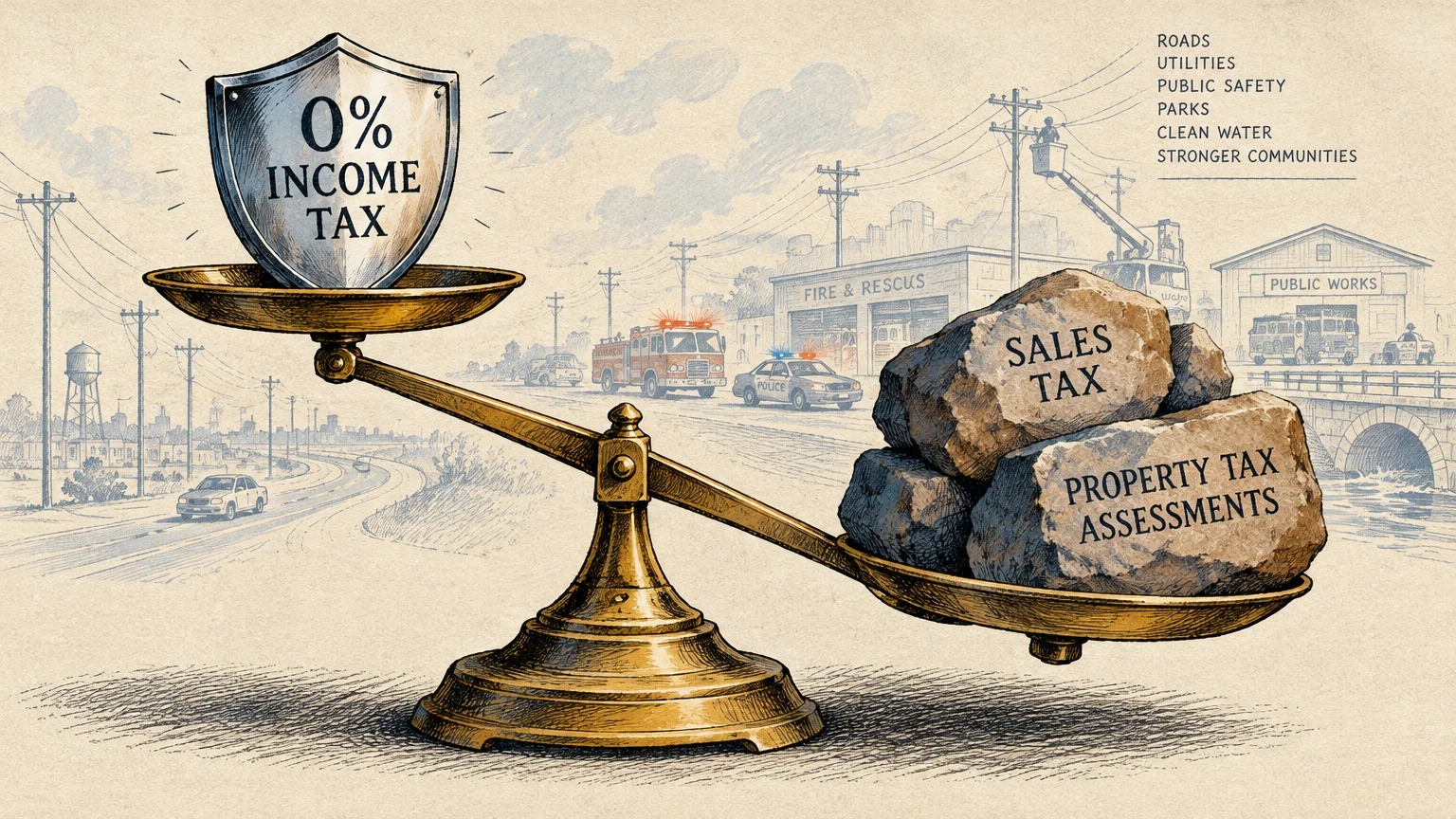
The Hidden Tax Traps: Sales and Property Taxes
Focusing solely on income taxes creates dangerous blind spots in your retirement spending plan. State treasuries always capture the revenue they require through alternate collection methods.
When you leave the workforce, your taxable income often drops while your everyday consumption stays relatively steady. A high sales tax rate directly penalizes seniors who spend a large percentage of their monthly cash flow on retail goods.
Tennessee and Washington demonstrate this fiscal trade-off clearly. Residents in both states pay combined sales taxes approaching 10% on many retail transactions.
If you spend $25,000 annually on taxable retail merchandise in Tennessee, you pay roughly $2,400 each year in sales taxes. In an income-taxing state with lower sales levies, that consumption expense might be cut in half.
Real estate taxes present an even larger long-term threat to retirees on fixed budgets. Unlike income taxes, property taxes do not decline when your portfolio experiences a market downturn.
States like Texas and New Hampshire maintain effective property tax rates exceeding 1.6% to 2.0% of assessed market values. A $500,000 home in these regions can generate an annual tax bill topping $9,000 to $11,000.
By contrast, states like Wyoming, Nevada, and Florida offer far lower effective property tax burdens. Pairing zero income tax with modest property tax rates creates a far safer financial cushion for long-term residency.
Tax Comparison: How the Zero-Tax States Stack Up
The following table illustrates the structural trade-offs across all nine states with no personal income tax in 2026. Use this data to weigh income tax relief against consumption and real estate expenses.
| State | State Income Tax | Avg. Combined Sales Tax | Property Tax Profile | State Estate Tax |
|---|---|---|---|---|
| Alaska | 0.00% | 1.82% (Local only) | Moderate to Low | None |
| Florida | 0.00% | 6.98% | Moderate | None |
| Nevada | 0.00% | 8.24% | Low | None |
| New Hampshire | 0.00% | 0.00% | Very High | None |
| South Dakota | 0.00% | 4.20% + Local | Moderate | None |
| Tennessee | 0.00% | 9.61% | Low | None |
| Texas | 0.00% | 8.20% | Very High | None |
| Washington | 0.00%* | 9.57% | Moderate | Yes (Up to 35%) |
| Wyoming | 0.00% | 5.44% | Very Low | None |
*Note: Washington enforces an excise tax on certain high-value capital gains and has enacted high-earner tax legislation taking effect in 2028.
Four States That Exempt Retirement Income (Despite Having an Income Tax)
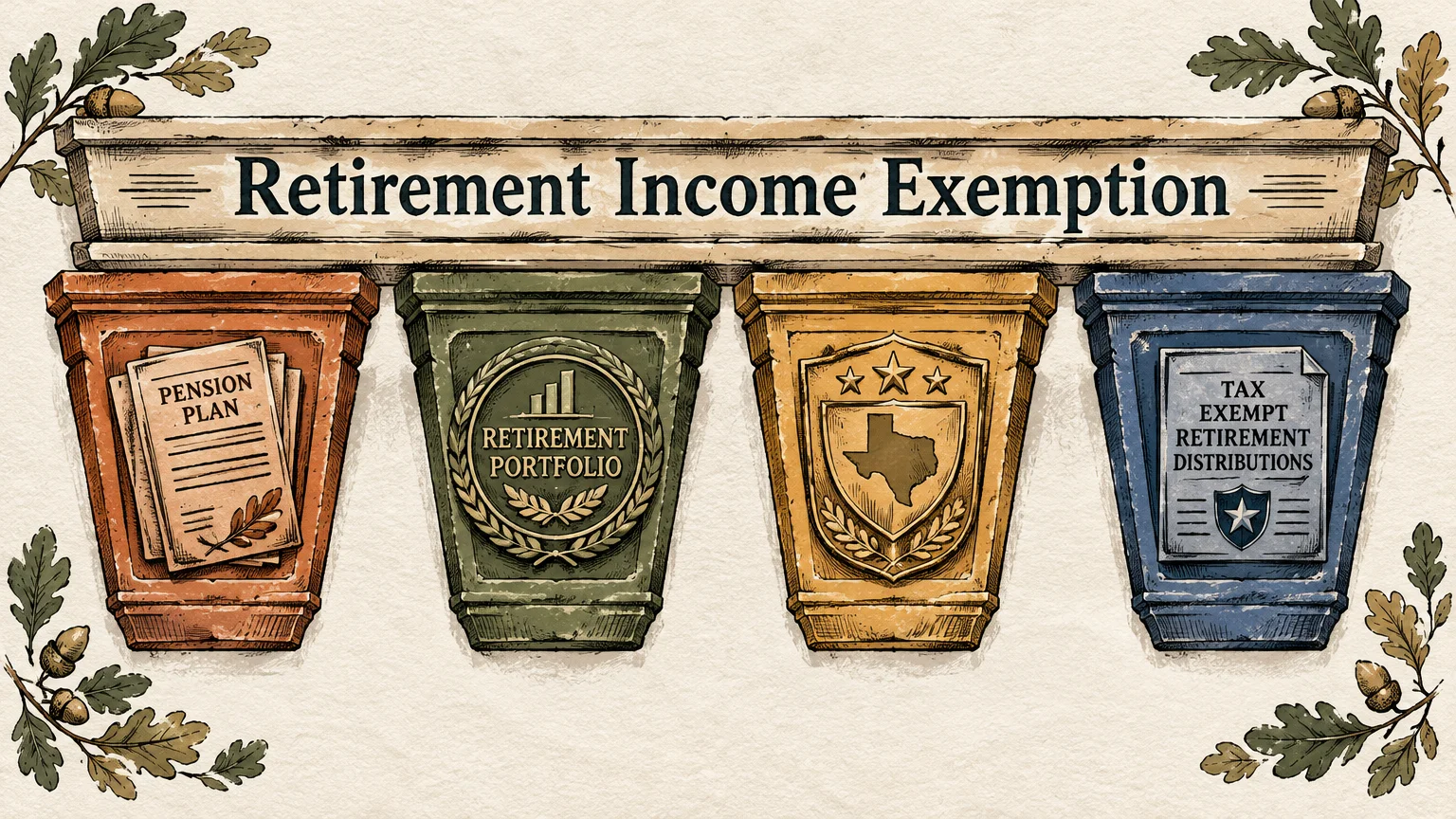
You do not need to limit your retirement search exclusively to the nine zero-income-tax states. Several states levy a standard personal income tax on working wages but fully exempt qualified retirement income streams.
These hybrid states allow you to protect your retirement withdrawals while enjoying lower local sales taxes or cheaper real estate. Reviewing these alternatives broadens your geographic options significantly.
1. Pennsylvania
Pennsylvania levies a flat 3.07% personal income tax on wages and business earnings. However, the state completely exempts retirement distributions, 401(k) withdrawals, and traditional IRA income once you reach age 59½.
Public and private employer pensions are also fully exempt from state taxation. If your retirement cash flow stems entirely from qualified savings and pensions, your effective Pennsylvania income tax rate is zero.
Sales taxes in Pennsylvania remain reasonable at 6% statewide, with Allegheny County adding 1% and Philadelphia adding 2%. Groceries, clothing, and residential heating fuels are completely exempt from sales tax.
2. Illinois
Illinois enforces a 4.95% flat income tax on earned wages. However, the state provides a generous blanket exemption for nearly all qualified retirement income.
Distributions from traditional IRAs, 401(k) accounts, government pensions, and corporate retirement plans face zero state tax. You can pull substantial sums from your portfolio without paying any income tax to Springfield.
The primary drawback in Illinois is the overall property tax environment. Illinois carries an average effective property tax rate of roughly 1.88%, tied with New Jersey for the highest in the country.
The state also carries an average combined sales tax rate of 8.96%. These steep municipal and retail taxes can easily diminish the value of your retirement income exemption.
3. Iowa
Iowa completely overhauled its tax code to attract and retain older residents. Starting in recent tax years, Iowa fully exempts retirement income from state tax for residents aged 55 and older.
This exclusion applies to traditional retirement plan distributions, pensions, annuities, and deferred compensation plans. If you meet the age threshold, your nest egg receives the same income tax shelter found in Florida or Nevada.
Iowa also transitioned its wage tax brackets into a single, predictable flat tax. This comprehensive reform makes Iowa highly competitive across the Midwest for older Americans.
4. Mississippi
Mississippi exempts qualified retirement distributions and pension payments from state income taxes. As long as your withdrawals come from a qualified retirement plan meeting plan rules, the state leaves them alone.
Retirees who relocate to Mississippi enjoy an exceptionally low overall cost of living. Housing costs, utility rates, and municipal fees rank far below national averages.
However, Mississippi taxes retail grocery purchases at the full 7% statewide sales tax rate. You must budget for higher food costs despite the low real estate values.
Michigan’s Expanded Senior Deduction
Michigan completed the multi-year phase-in of its pension tax repeal in 2026. This statutory update offers substantial relief to thousands of aging Great Lakes residents.
For the 2026 tax year, seniors can deduct up to $65,987 on single returns and up to $131,794 on joint returns for retirement income. This expansive deduction shields retirement plan distributions for the vast majority of households.
Social Security Taxation Across the Country
Protecting your monthly Social Security benefits from state taxation is essential for preserving cash flow. The federal government taxes up to 85% of your benefits depending on your combined provisional income.
Fortunately, state-level taxation on Social Security has almost disappeared across the United States. In 2026, 42 states and Washington, D.C. do not tax Social Security benefits under any circumstances.
West Virginia completed its multi-year legislative phase-out and officially stopped taxing Social Security benefits starting in the 2026 tax year. This change provides meaningful tax relief across the Appalachian region.
Only eight states still tax Social Security benefits to varying degrees in 2026:
- Colorado: Applies age-based exclusions that exempt benefits for many seniors, but higher earners still face tax.
- Connecticut: Exempts benefits for single filers and married couples below specific adjusted gross income thresholds.
- Minnesota: Offers an alternative subtraction for taxable benefits, though higher-income retirees still pay state tax.
- Montana: Employs state-specific formula calculations that expose a portion of benefits to state tax brackets.
- New Mexico: Provides income-based deductions that protect low- and middle-income seniors while taxing wealthier recipients.
- Rhode Island: Allows full benefit deductions once you reach full Social Security retirement age and fall below income caps.
- Utah: Grants a retirement tax credit that gradually phases out as your household income rises.
- Vermont: Provides partial or full exemptions for filers earning below statutory income limits.
If you plan to live in one of these eight states, verify your projected income against their exemption limits. You can review your baseline benefit calculations directly on the Social Security Administration website.

Washington State: Critical Caveats for Wealthier Retirees
While Washington state levies no traditional personal income tax, affluent retirees must navigate complex excise and wealth taxes. Lawmakers in Olympia have created targeted levies to generate revenue from high-net-worth households.
First, Washington enforces an excise tax on long-term capital gains. The levy applies a 7% tax to net long-term capital gains above an inflation-adjusted standard deduction of $278,000 for the 2025 tax year filed in 2026.
Under a two-tier structure, taxable gains exceeding $1 million face an additional 2.9% surtax, bringing the top rate to 9.9%. This tax applies to sales of publicly traded stocks, mutual funds, and business interests held in taxable accounts.
Crucially, retirement accounts like 401(k) plans, traditional IRAs, and Roth IRAs are completely exempt from this capital gains tax. Sales of primary real estate and commercial properties also receive full statutory exemptions.
Second, on March 30, 2026, Washington enacted legislation establishing a 9.9% tax on household income over $1 million. This measure takes effect in tax year 2028, with the first collections beginning in 2029.
Third, Washington is the only no-income-tax state that levies a state-level estate tax. Passing wealth to your heirs in Washington triggers significant state death duties.
For deaths occurring between January 1, 2026, and June 30, 2026, the Washington estate tax exemption threshold is $3,076,000. On July 1, 2026, that threshold resets to a flat $3,000,000.
Recent legislative rate increases have pushed Washington’s top marginal estate tax rate to 35% on taxable estates exceeding $9 million. If you have substantial accumulated wealth, Washington can be one of the most expensive states to pass away in.
What Can Go Wrong: Relocation Traps to Avoid
Relocating across state lines involves intricate legal and financial steps. Overlooking administrative details can trigger severe tax penalties and undermine your anticipated cost savings.
1. Failing to Cut Domicile Ties
Auditors in high-tax states aggressively pursue former residents who claim to have moved. States like New York, California, and Minnesota scrutinize departures to ensure tax compliance.
Simply buying a condo in Florida does not establish legal residency if you maintain a home elsewhere. If you spend 183 days or more in your former state, that state can classify you as a statutory resident.
You must establish clear evidence of your new domicile. Register to vote, obtain a new driver’s license, transfer vehicle titles, and move your primary bank accounts immediately upon relocating.
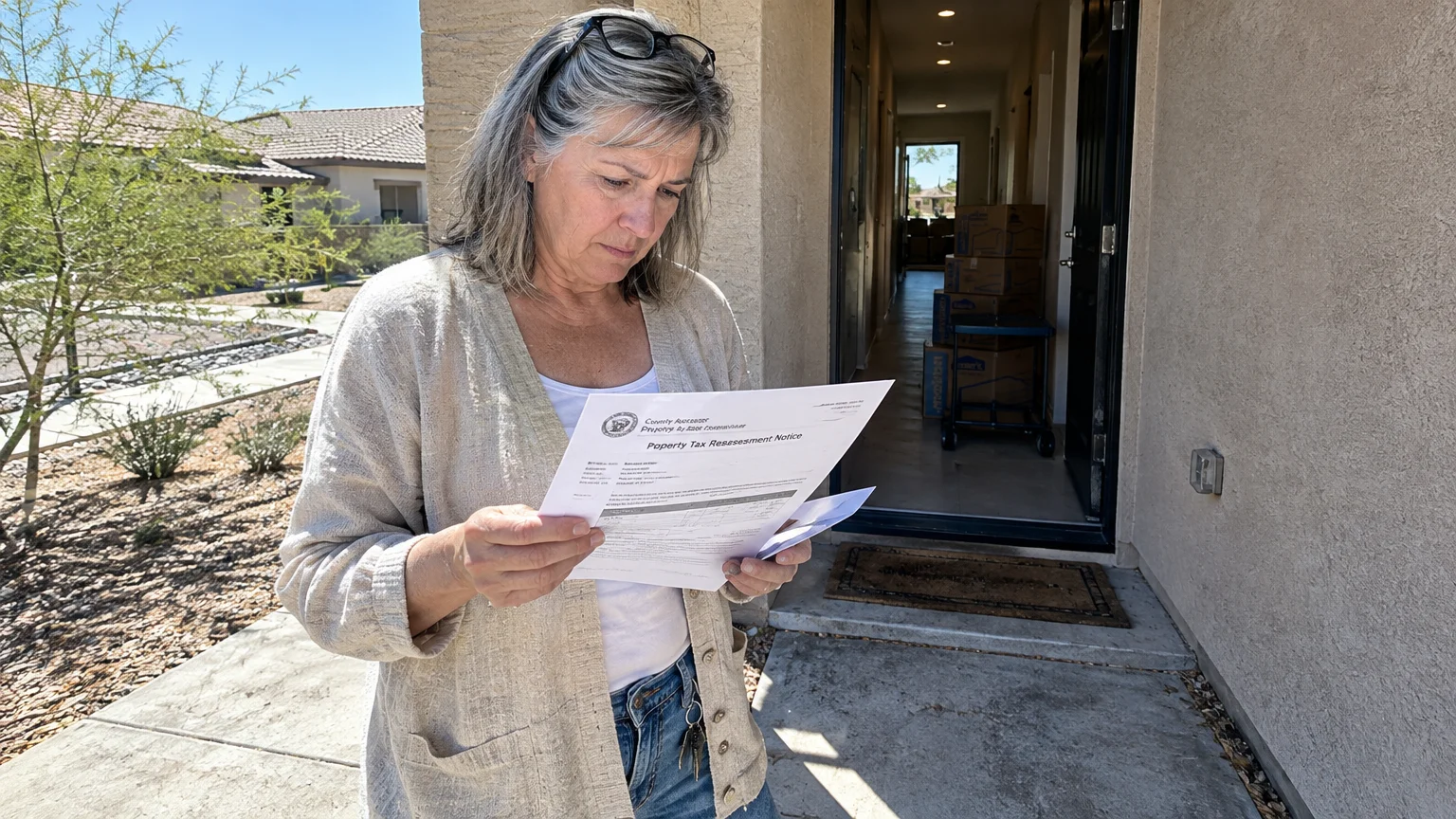
2. The Property Tax Assessment Shock
Many retirees purchase homes in states like Texas or Florida assuming property taxes will match the previous owner’s bill. That assumption frequently leads to painful financial surprises.
Previous owners often benefit from homestead caps that restricted assessment increases over decades of ownership. When the property transfers to you, the county assessor resets the valuation to current market value.
Your property tax bill during your second year of ownership may jump thousands of dollars higher than the listing showed. Always calculate real estate taxes using un-capped fair market values.
3. Escalating Property Insurance Rates
Income tax savings can vanish quickly if your homeowner’s insurance premiums triple. Coastal regions in Florida, Texas, and the Gulf Coast face historically high insurance premiums due to severe storms.
Before purchasing real estate in a low-tax coastal market, obtain realistic insurance binding quotes. Comprehensive policy reviews through Consumer Financial Protection Bureau guides can help you budget accurately.
4. Healthcare Gaps in Low-Tax Rural Areas
States with zero income tax like Wyoming, Alaska, and South Dakota feature vast rural expanses. While the tax rates are attractive, nearby medical infrastructure may be sparse.
Managing chronic health conditions requires proximity to specialized physicians and modern hospital networks. Traveling hundreds of miles for treatment adds travel expenses and unnecessary physical strain during your golden years.

When to Consult a Professional
Tax laws, residency regulations, and estate codes interact in complex ways across different jurisdictions. Certain financial situations require customized strategies developed alongside a qualified advisor.
You should consult a Certified Public Accountant (CPA) or a fee-only Certified Financial Planner (CFP) under the following conditions:
- You own multi-state real estate: If you retain a summer home in a state with an income tax, you risk dual-residency audits and complicated apportionment rules.
- You possess substantial taxable non-retirement assets: Moving to states with unique excise taxes like Washington requires restructuring stock sales to avoid surprise levies.
- Your net worth exceeds state estate tax limits: If your estate exceeds $3 million and you consider Washington, comprehensive trust planning is vital to protect your heirs.
- You hold deferred compensation or private business equity: Sourcing rules dictate which state possesses the legal right to tax payout streams after you move.
Financial planners vetted through the Kiplinger personal finance networks or professional associations can help you run multi-year tax projections. Paying for professional advice upfront prevents catastrophic audit assessments down the road.
Frequently Asked Questions About Tax-Free Retirement States
Can my former home state tax my pension after I move to a zero-income-tax state?
Under federal law (the Source Tax Act of 1996), states are prohibited from taxing retirement income earned by non-residents. Once you establish legal domicile in a tax-free state, your former state cannot tax your 401(k), IRA, or qualified pension payments.
Does moving to a no-income-tax state eliminate my federal taxes?
No, moving to an income-tax-free state has zero impact on your federal tax obligations. You still owe federal income tax on your traditional retirement distributions, taxable investments, and Social Security benefits based on IRS tax brackets.
Is New Hampshire completely tax-free for retirees in 2026?
Yes, New Hampshire has no state sales tax and no personal wage tax. The state completed the full repeal of its Interest and Dividends Tax on January 1, 2025, eliminating state income taxes on investment returns.
Which no-income-tax state has the lowest overall tax burden?
Wyoming consistently delivers the lowest overall tax burden among the zero-income-tax group. The state combines zero income tax with a modest 5.44% average sales tax and exceptionally low real estate property taxes.
Next Steps for Your Retirement Move
Escaping state income taxes offers a legitimate way to stretch your retirement budget. However, taxes represent only one variable in the relocation equation.
Begin by calculating your total tax footprint, combining state income, sales, and property tax projections. Compare that total against utility rates, property insurance quotes, and moving logistics.
Consider renting a home in your target state for six months before committing to a permanent real estate purchase. A trial period lets you evaluate local healthcare networks, weather patterns, and everyday lifestyle realities firsthand.
The information in this guide is meant for educational purposes. Your specific circumstances—including income, debt, tax situation, and goals—may require different approaches. When in doubt, consult a licensed professional.
Last updated: October 2026. Financial regulations and rates change frequently—verify current details with official sources.