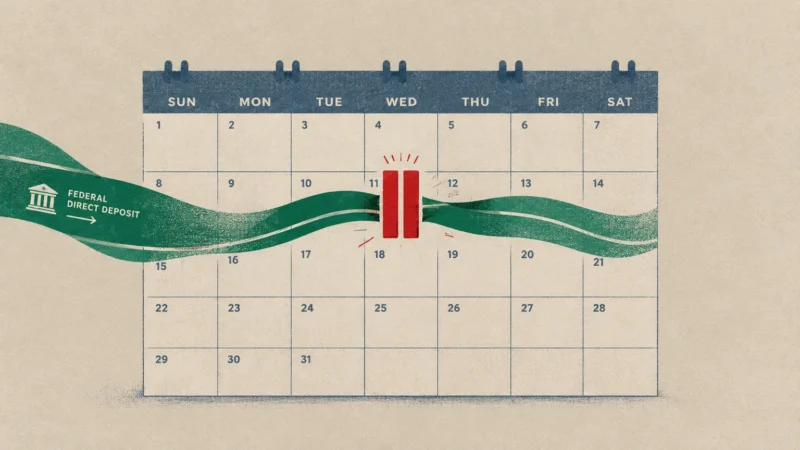
The Social Security Administration’s annual cost-of-living adjustment headline always grabs national attention each autumn. Yet, the upcoming Medicare premium announcement quietly dictates how much of that raise actually reaches your bank account.
Your Part B premiums come directly out of your monthly benefit before you receive a single penny. When healthcare costs climb, they quickly erase your projected financial gains.
Understanding the interplay between Medicare costs and your gross adjustment allows you to protect your household budget. Examining your net increase reveals the true reality of your retirement cash flow.

1. Automatic Deductions Claim Your Raise Before It Reaches Your Account
Federal law requires the Social Security Administration to deduct Medicare Part B premiums directly from monthly retirement checks. You never receive your gross benefit check to pay those medical bills manually.
On October 14, 2026, the federal government announced a 3.6% cost-of-living adjustment (COLA) for 2027. That increase will lift the average monthly retirement check by $75, shifting it from $2,095 to $2,170.
However, you cannot add that full $75 to your household spending ledger. The Centers for Medicare & Medicaid Services (CMS) controls the primary deduction that immediately claims a share of that increase.
According to the Medicare Trustees Report, the standard monthly Part B premium is projected to increase by $6.60 for 2027. That projection moves the baseline premium from $202.90 in 2026 up to $209.50 in 2027.
Subtracting that $6.60 healthcare hike leaves an average net increase of roughly $68.40 per month. The Medicare deduction silently absorbs almost 9% of the average retiree’s gross raise before January arrives.
If you celebrate the gross percentage hike without monitoring the deduction, you risk overspending your winter budget. The gross raise is merely a theoretical baseline; your net check represents your spending limit.
2. Flat Dollar Premium Hikes Disproportionately Squeeze Modest Incomes
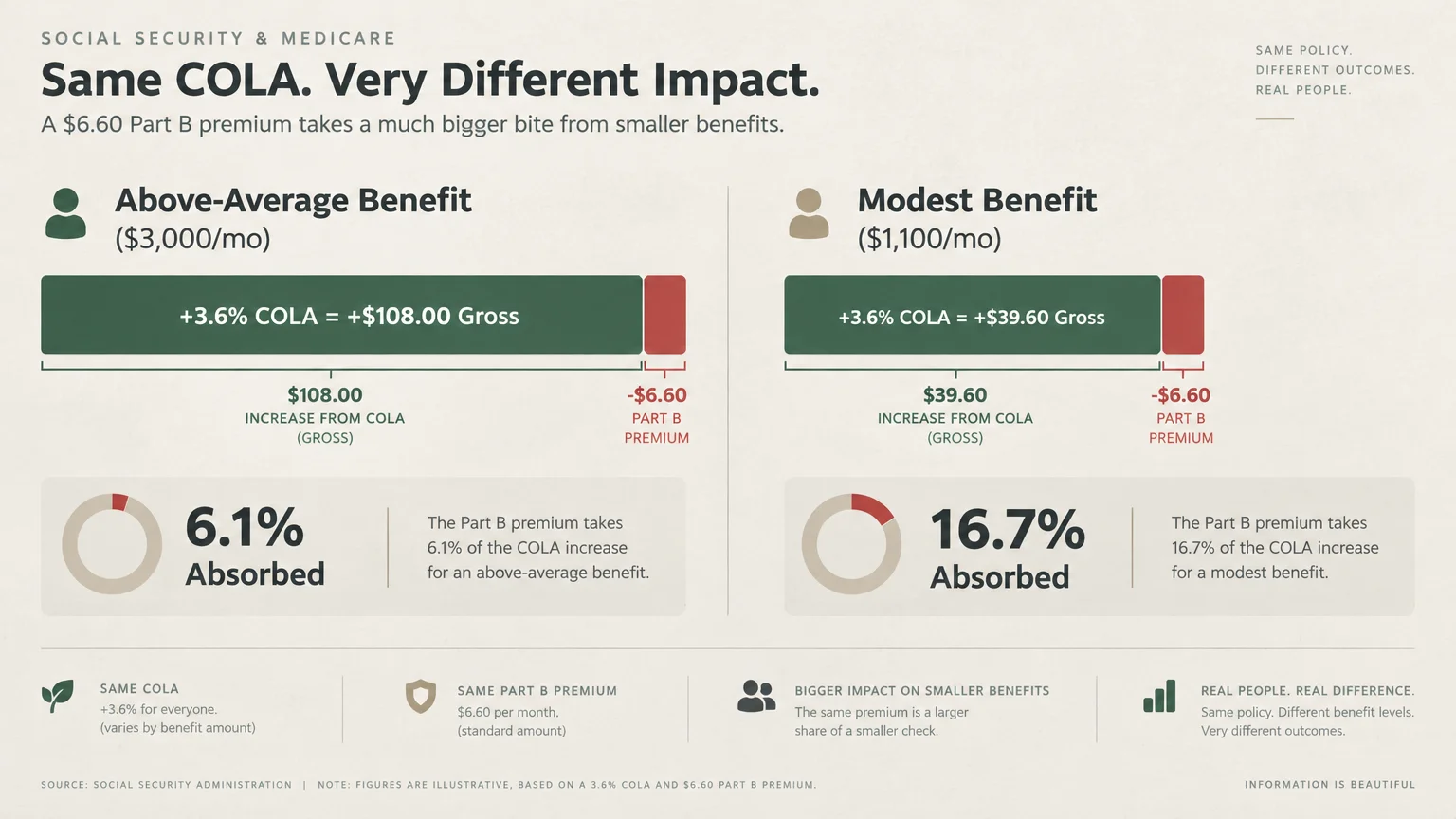
The COLA operates as a uniform percentage, whereas Medicare Part B bills you as a flat dollar rate. This fundamental difference creates a deeply regressive impact on seniors with smaller lifetime earnings.
Consider a retired worker collecting an above-average check of $3,000 per month. A 3.6% boost delivers an additional $108 each month, easily absorbing the projected $6.60 Part B premium 2027 increase.
For that higher-income beneficiary, the Part B increase consumes only 6.1% of their gross raise. They retain the vast majority of their cost-of-living adjustment to cover groceries, utilities, and general expenses.
Now examine a senior receiving a modest monthly check of $1,100. Their 3.6% bump amounts to just $39.60 per month in additional gross income.
When CMS deducts the exact same projected $6.60 premium hike, it strips away nearly 17% of that retiree’s raise. The smaller your baseline benefit, the harder a flat medical increase hits your daily purchasing power.
This dynamic demonstrates why tracking medicare premium vs COLA adjustments is essential for vulnerable retirees. Percentage statistics mask the aggressive bite that flat fees take from smaller checks.

3. The Escalating Part B Deductible Strangles Early-Year Cash Flow
Monthly premiums reflect only one component of your outpatient healthcare expenses each year. The annual Part B deductible also climbs, creating a front-loaded cash flow hurdle every January.
According to the Medicare Trustees Report, the annual Part B deductible will likely rise from $283 in 2026 to $292 in 2027. This follows a substantial $26 increase from $257 in 2025 up to $283 in 2026.
You must pay this entire deductible out of pocket before Medicare pays 80% of your doctor visits and outpatient therapies. If you manage chronic illnesses, you will likely exhaust this deductible during January or February.
Paying that $292 deductible consumes more than four months of your projected $68.40 net monthly Social Security increase. You experience a noticeable cash deficit at the start of the year rather than a financial boost.
Many seniors fail to budget for this initial wall of medical out-of-pocket costs. They find themselves relying on high-interest credit cards before their increased Social Security checks have time to accumulate.
Anticipating these early-year clinical charges allows you to set aside reserve funds in advance. You can cushion the blow by allocating portion of your late-year income toward expected clinical visits.
4. IRMAA Surcharges Create Dangerous Two-Year Tax Cliffs
Higher-income retirees face substantial monthly surcharges known as the Income-Related Monthly Adjustment Amount (IRMAA). By law, standard Part B premiums cover 25% of program operating costs, with general tax revenue covering 75%.
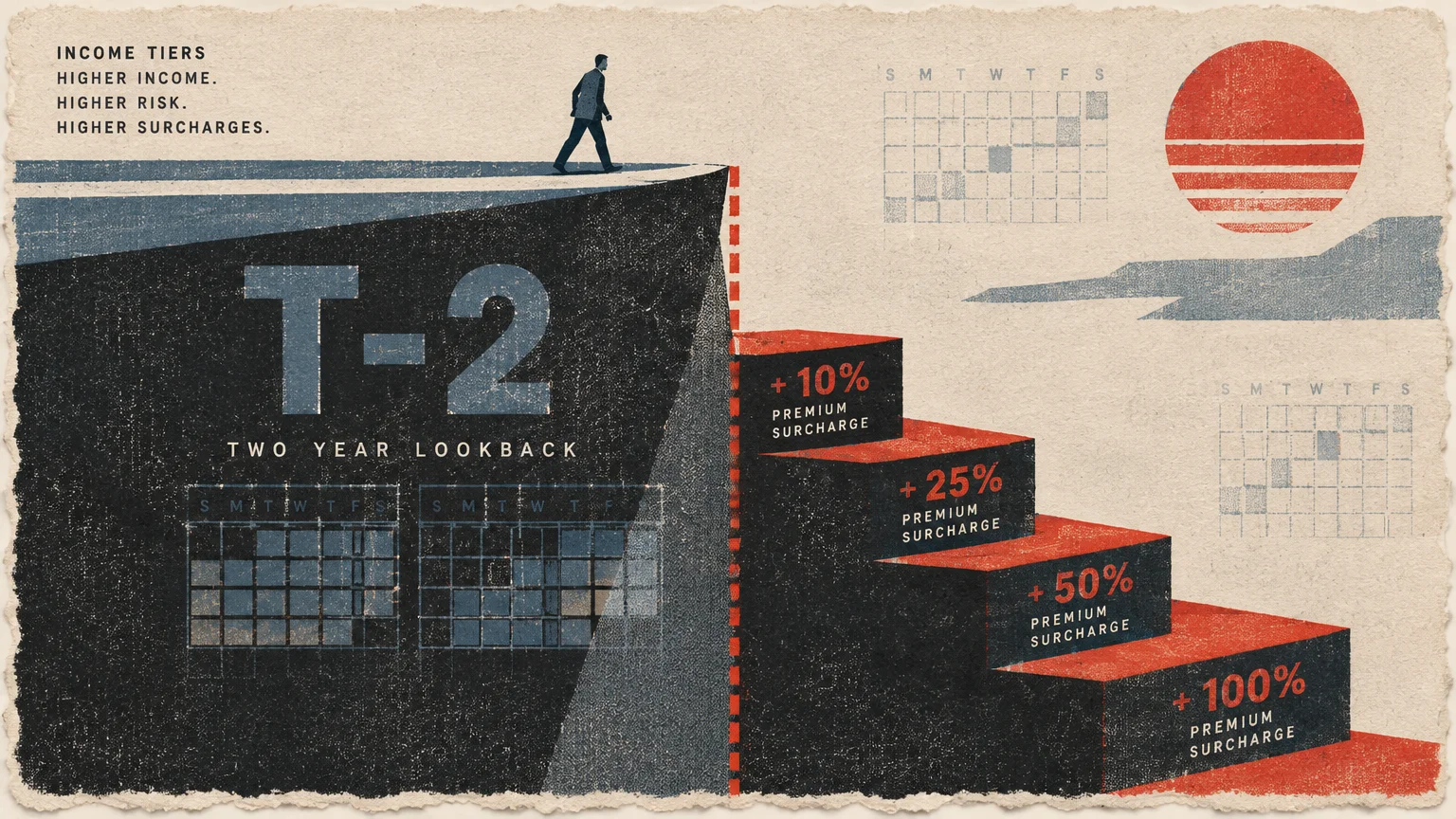
IRMAA forces upper-tier retirees to fund 35%, 50%, 65%, 80%, or 85% of those total program costs. The federal government uses your tax filings from two years prior to determine your current tier.
For 2027 coverage, the Social Security Administration evaluates the Modified Adjusted Gross Income (MAGI) reported on your 2025 tax return. Projected 2027 IRMAA thresholds start above $112,000 for single filers and $224,000 for married couples.
These tiers function as absolute financial cliffs rather than progressive sliding scales. Exceeding a bracket by even one single dollar triggers the entire surcharge for all twelve months of the year.
In the highest income bracket—incomes of $500,000 or more for singles—the Part B premium is projected to reach $712.30 per month. That represents an extra monthly drain of over $500 above standard baseline costs.
IRMAA surcharges also attach directly to your Part D prescription drug coverage. An unexpected capital gain or retirement account distribution from 2025 can completely cancel your 3.6% COLA gain.
Review your 2025 tax records carefully through the Internal Revenue Service to identify any potential surcharge triggers. Knowing your tier ahead of time prevents sudden deduction surprises on your January statement.
5. Expiring Part D Subsidies Compound Total Healthcare Overhead
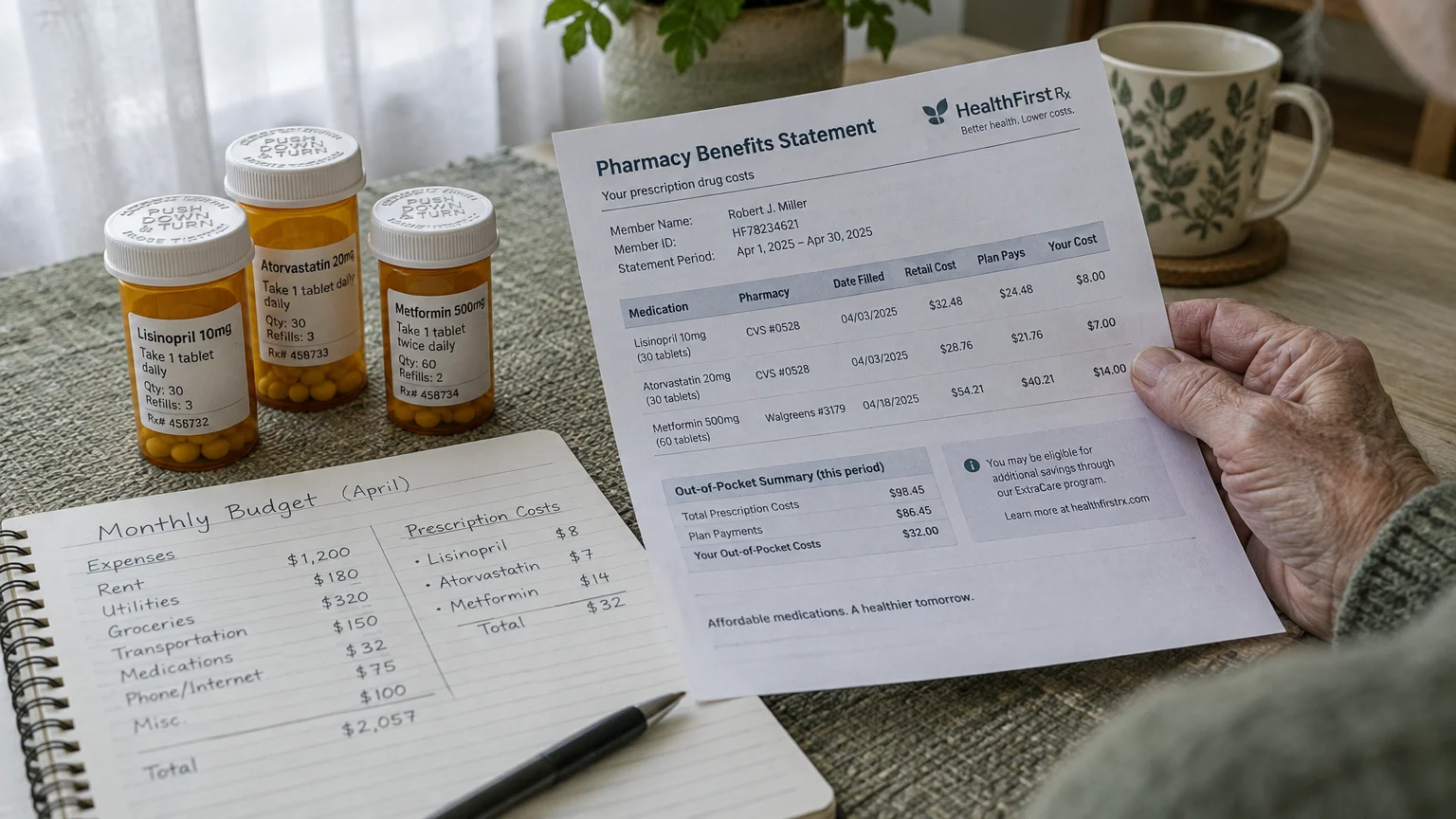
While Part B handles physician visits, outpatient hospital care, and medical equipment, Part D covers your essential prescription medications. Changes in prescription pricing compound your overall medical overhead.
The Inflation Reduction Act capped annual out-of-pocket prescription drug spending at $2,400 for 2027, an increase from 2026. While that cap protects patients with heavy prescription loads, standalone plan premiums face immense upward pressure.
A temporary federal premium stabilization demonstration project subsidized plan sponsors through the 2026 plan year. That program restricted monthly premium spikes to manage consumer costs during major regulatory transitions.
The expiration of that federal subsidy after 2026 leaves insurers responsible for higher shares of medication costs. Projections indicate that roughly 45% of standalone Part D enrollees could experience premium jumps between $11 and $20 per month in 2027.
When you combine an average $15 Part D hike with the projected $6.60 Part B increase, monthly deductions jump by $21.60. That dual increase instantly wipes out nearly 29% of the average $75 gross COLA increase.
Beneficiaries who look only at Part B will completely miss the impact of these surging pharmacy plan deductions. You must evaluate both programs simultaneously to understand your real healthcare liability.

6. Statutory Loopholes Leave Millions Outside the “Hold Harmless” Shield
Many beneficiaries believe the federal “Hold Harmless” provision prevents their net benefit from ever falling. Under Section 1839(f) of the Social Security Act, this rule ensures your net payment does not decrease from December to January.
However, statutory restrictions exclude millions of seniors from this vital protection. The rule applies exclusively to standard Part B premiums for individuals whose premiums are already deducted from existing benefits.
If you enroll in Medicare for the first time in 2027, the Hold Harmless provision offers zero protection. You must pay the full standard premium regardless of how high CMS sets the rate.
Similarly, if you delay collecting Social Security benefits while enrolled in Medicare, you remain completely exposed. You must write a direct check or arrange electronic transfers for the full premium amount each quarter.
The rule also excludes low-income beneficiaries whose premiums are paid by Medicaid, alongside anyone subject to IRMAA surcharges. If your income pushes you into an IRMAA tier, your net check can drop significantly from year to year.
Relying on false assumptions about Hold Harmless protections leaves your household vulnerable to cash shortages. Understanding your eligibility ensures you plan your monthly budget using realistic numbers.
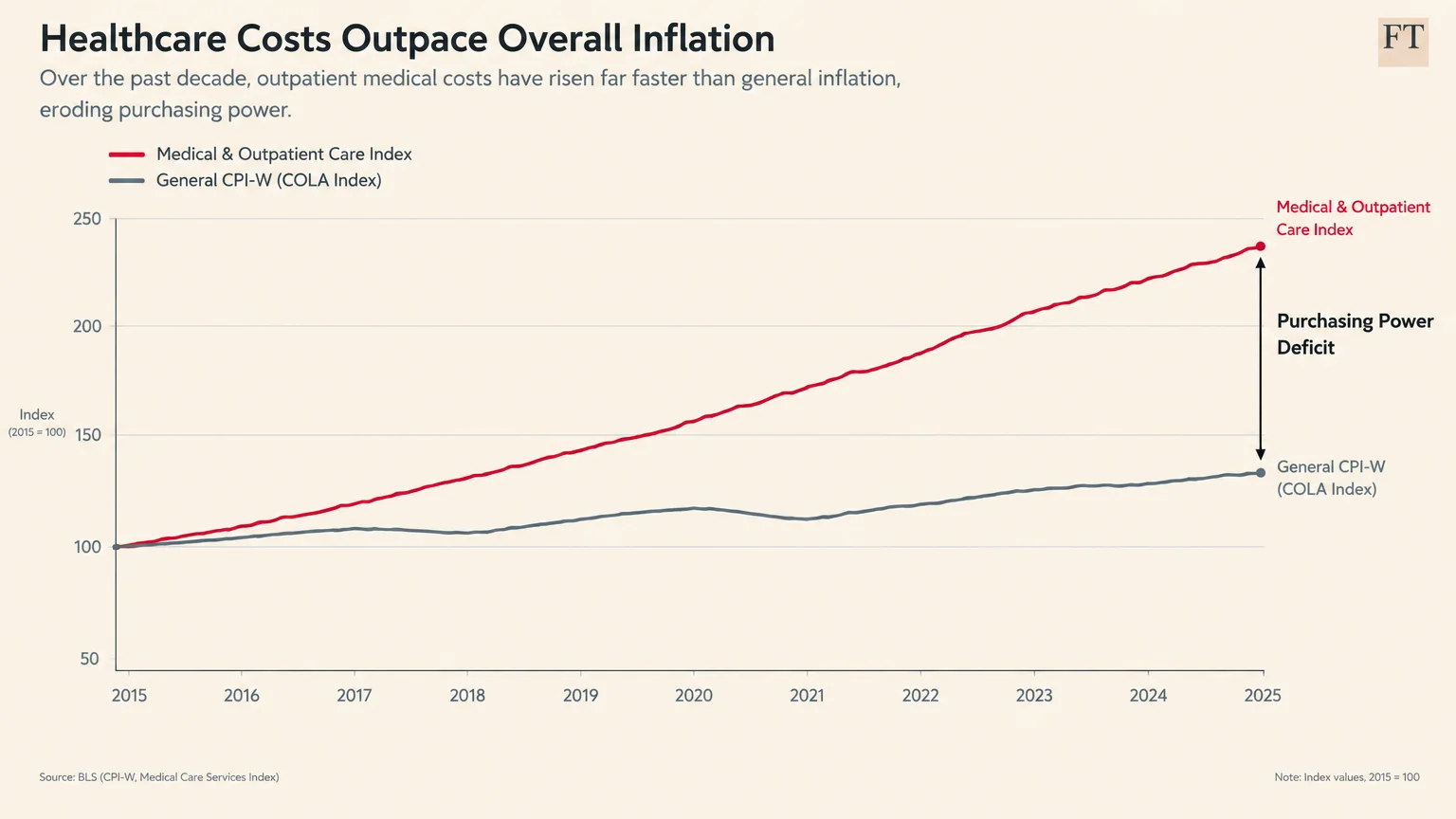
7. General Inflation Metrics Fail to Track Medical Price Reality
The annual COLA calculation relies on the Consumer Price Index for Urban Wage Earners and Clerical Workers (CPI-W). The Bureau of Labor Statistics compiles this index by tracking expenditure patterns of active, working-age households.
Working households allocate major portions of their monthly cash flow to commuting, apparel, electronics, and housing. They generally allocate modest percentages of their annual income toward comprehensive medical treatments.
Retired seniors face the opposite financial reality. Older households frequently spend double or triple the national proportion on clinical visits, diagnostic testing, physical therapy, and daily maintenance medications.
Healthcare costs consistently rise at rates that outstrip broader retail goods and commodities. When medical inflation outpaces general consumer inflation, a 3.6% COLA fails to preserve senior purchasing power.
A modest CPI-W adjustment cannot insulate your household when physician charges and medical facility fees climb aggressively. The medicare costs 2027 announcement serves as a sobering corrective to overly optimistic inflation metrics.
Factoring authentic medical inflation into your retirement plan protects your baseline savings. You must look beyond standard consumer indices when forecasting long-term living expenses.

8. Inpatient Part A Deductible Hikes Create Serious Cost Shocks
When CMS releases Part B figures, it simultaneously reveals cost-sharing obligations for Medicare Part A. Part A covers institutional healthcare, including inpatient hospital stays, skilled nursing care, and hospice services.
For 2026, the Part A inpatient hospital deductible reached $1,736 per benefit period. Patients remaining hospitalized past 60 days incurred a daily coinsurance charge of $434 for days 61 through 90.
The upcoming CMS announcement will adjust these hospital figures upward for 2027, reflecting higher hospital operational expenses. Many seniors wrongly assume that Medicare covers hospital admissions completely without significant personal outlays.
Unlike outpatient deductibles that reset annually, Part A deductibles apply per benefit period. A benefit period begins when you enter a hospital and ends when you have been out for 60 consecutive days.
If you experience multiple hospital admissions separated by more than 60 days, you must pay that deductible again. A single hospital stay in early 2027 will wipe out nearly two years of average gross COLA gains.
Ignoring Part A cost sharing leaves your emergency reserves vulnerable to sudden medical liquidation. Tracking these inpatient figures ensures your emergency cash reserves match your real financial exposure.
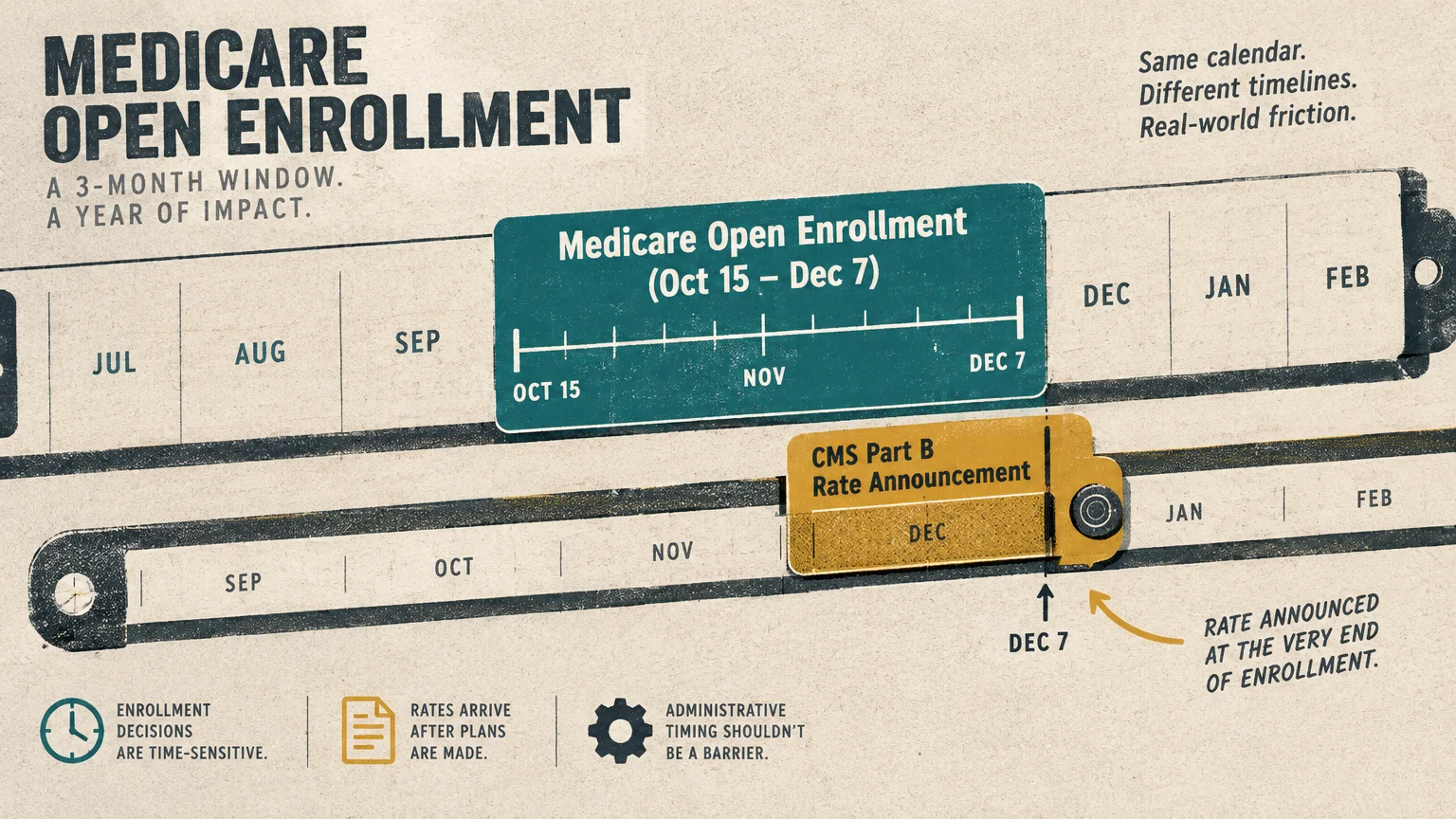
9. Publication Dates Clash With Medicare Open Enrollment Deadlines
The federal release schedule creates a frustrating timeline challenge for proactive retirement planners. The Social Security Administration published its 3.6% COLA announcement on October 14, 2026.
Meanwhile, the annual Medicare Fall Open Enrollment period begins on October 15 and closes on December 7, 2026. Beneficiaries must pick their coverage for 2027 during this strict seven-week window.
CMS frequently delays publishing final Part B premiums and Part D parameters until late October or mid-November. As a result, you must compare health insurance options without knowing your baseline monthly deductions.
If you wait until CMS releases final figures, you compress your plan evaluation window into just a few weeks. That rush increases the risk of overlooking changes in provider networks, prescription formularies, or supplemental copayments.
Proactive budgeters use the projected $209.50 monthly Part B figure to compare Medicare Advantage and Medigap options early. Doing so prevents hurried enrollment decisions before the December 7 deadline closes.
Explore your local coverage options directly through Medicare.gov before the enrollment period ends. Early research guarantees you secure the strongest coverage for your medical needs.
“Healthcare is the single greatest wild card in retirement budgeting. If you do not plan for rising medical premiums, they will silently consume your fixed income.” — Suze Orman, Personal Finance Author and Host
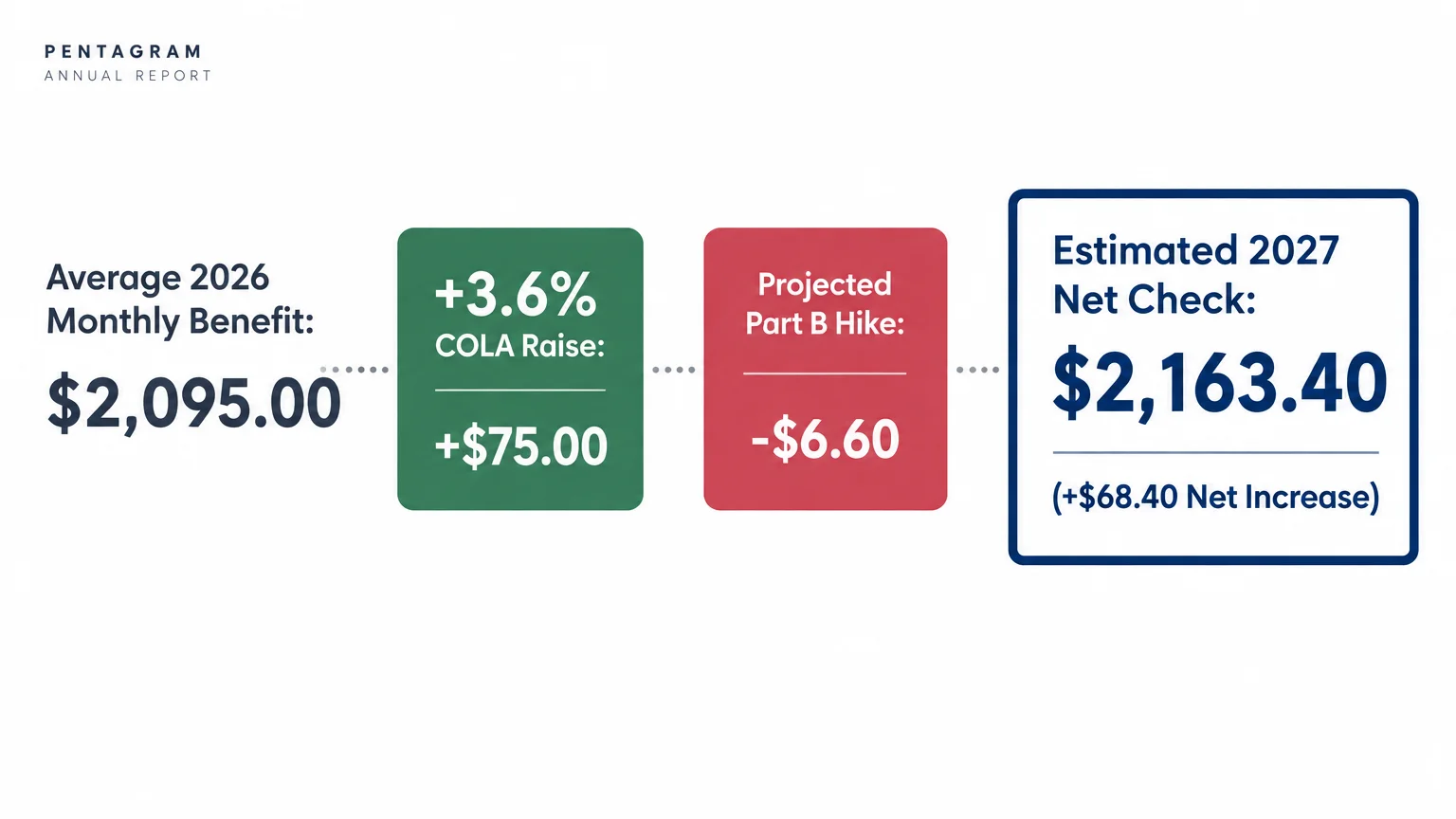
Comparing 2027 Gross COLA to Your Estimated Net Increase
Examining gross benefit adjustments without factoring in medical deductions creates a misleading financial picture. The following table illustrates how the projected $6.60 Part B premium hike erodes the 3.6% COLA across various monthly benefit levels.
| 2026 Monthly Benefit | 3.6% Gross COLA | 2027 Gross Benefit | Projected Part B Hike | Estimated Net Increase | Share Eaten by Part B |
|---|---|---|---|---|---|
| $1,200.00 | $43.20 | $1,243.20 | $6.60 | $36.60 | 15.3% |
| $1,600.00 | $57.60 | $1,657.60 | $6.60 | $51.00 | 11.5% |
| $2,095.00 (Average) | $75.00 | $2,170.00 | $6.60 | $68.40 | 8.8% |
| $2,800.00 | $100.80 | $2,900.80 | $6.60 | $94.20 | 6.5% |
| $3,500.00 | $126.00 | $3,626.00 | $6.60 | $119.40 | 5.2% |
As the calculations demonstrate, lower-income retirees surrender more than double the proportion of their COLA raise compared to higher earners. Flat rate deductions diminish the progressive intent of government cost-of-living increases.
Budgeting based on your net benefit protects your savings against unexpected cash deficits. Always deduct projected Medicare costs before allocating new funds to living expenses.

Pitfalls to Watch For
Navigating the transition between annual adjustments requires vigilant administrative oversight. Overlooking key program rules can cost you hundreds of dollars in unnecessary fees or missed benefits.
- Missing the Paperless Notice Cutoff: Beneficiaries must create a my Social Security account and opt into paperless notices by November 18, 2026. Doing so lets you view your personalized 2027 net benefit statement online in late November.
- Ignoring IRMAA Appeal Rights: If your income dropped significantly after 2025 due to retirement, marriage, or spousal loss, you can appeal your surcharge. File Form SSA-44 with the Social Security Administration to request a life-changing event reassessment.
- Neglecting Formularies During Open Enrollment: Part D plans adjust drug tiers and covered medication lists every calendar year. Failing to review your annual Notice of Change before December 7 can result in massive out-of-pocket pharmacy bills.
- Assuming Supplemental Policies Cover Premiums: Medigap policies and private supplemental plans cover copayments and coinsurance, but they never pay your Part B premiums. You remain personally responsible for that baseline monthly fee.
- Misunderstanding Wage Cap Impacts: For working individuals, the wage base subject to Social Security taxes jumps from $184,500 in 2026 to $192,300 in 2027. High earners face higher payroll tax withholding alongside retirement planning changes.
Dodging these common mistakes safeguards your hard-earned retirement assets. Staying proactive prevents bureaucratic delays from undermining your financial stability.

Getting Expert Help
Retirement planning and Medicare coordination can quickly become overwhelming when complex medical needs or shifting tax brackets enter the picture. Seeking professional advice ensures you avoid expensive procedural traps.
- Navigating an IRMAA Appeal: Contact a Certified Public Accountant (CPA) if your income changed due to retirement, divorce, or asset restructuring. A tax professional can assemble documentation to dispute your surcharge using Form SSA-44.
- Optimizing Medicare Health and Drug Plans: Schedule a consultation with your local State Health Insurance Assistance Program (SHIP). SHIP counselors provide free, unbiased guidance to help you compare Part D and Medicare Advantage options.
- Balancing Retirement Withdrawals: Work with a fee-only Certified Financial Planner (CFP) to structure withdrawals from traditional 401(k) accounts. Strategic distribution planning prevents distributions from pushing you into higher IRMAA surcharges.
- Managing Debt on a Fixed Income: Consult the Consumer Financial Protection Bureau or an NFCC-accredited credit counselor if rising healthcare costs strain your living budget. Professional debt counseling protects your monthly essentials.
Professional guidance pays for itself by preventing costly coverage mistakes. Never hesitate to enlist credentialed experts when assessing complex healthcare regulations.
Frequently Asked Questions
When does CMS officially announce the Medicare Part B premium for 2027?
CMS typically releases official Medicare Part B premiums, deductibles, and IRMAA brackets in late October or November. The announcement follows the mid-October Social Security COLA release.
Can Medicare Part B legally take my entire Social Security COLA?
For standard beneficiaries covered by the Hold Harmless rule, Part B premium hikes cannot exceed your dollar COLA raise. However, if you pay IRMAA or enroll for the first time, your check can legally drop.
How do I check my personalized 2027 net Social Security benefit amount?
Sign in to your personal my Social Security account online by November 18, 2026, to view your notice in late November. Beneficiaries who do not enroll online will receive mailed paper notices during December.
What should I do if my Part D prescription premium rises significantly?
Compare alternative standalone Part D or Medicare Advantage plans using the Medicare Plan Finder tool before December 7, 2026. Switching plans during Open Enrollment ensures you retain essential medication coverage at the lowest price.
Next Steps for Your Retirement Budget
Do not wait for your first January check to uncover your authentic retirement cash flow. Log into your personal government account, confirm your paperless settings, and tally your projected net increase.
Evaluate your supplemental healthcare policies and prescription drug options before the December 7 Open Enrollment deadline arrives. Factoring realistic medical expenses into your budget ensures you navigate 2027 with financial confidence and security.
This is educational content based on general financial principles. Individual results vary based on your situation. Always verify current tax laws, investment rules, and benefit eligibility with official sources.
Last updated: October 2026. Financial regulations and rates change frequently—verify current details with official sources.