
Selling pre-owned goods online turns clutter into immediate cash, but payment fraud can wipe out your hard-earned profits instantly. Choosing the right payment channel ensures you get paid without risking chargebacks or fake transfers.
Scammers actively target digital sellers across local marketplaces and shipping platforms every single day. Using verified transaction channels guarantees that the money you earn remains safely in your bank account.
Here are seven safe ways to receive money when selling online, along with clear rules to protect every transaction.
The Financial Risks of Modern Online Selling
Online marketplaces offer direct access to millions of eager shoppers. Unfortunately, criminal networks treat these platforms as lucrative hunting grounds.
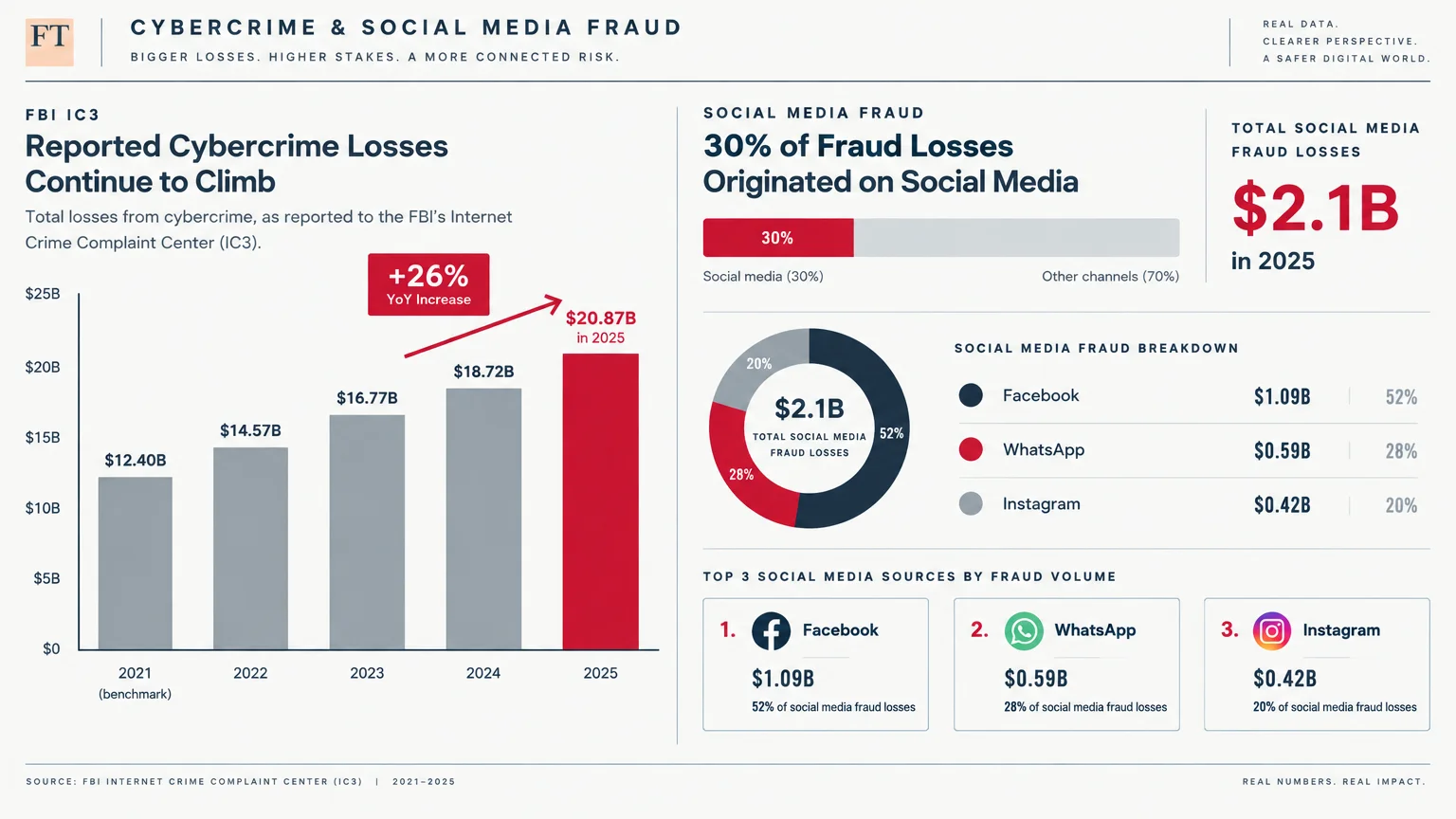
According to the FBI Internet Crime Complaint Center (IC3), reported cybercrime losses reached $20.87 billion in 2025. That total represents a staggering 26% increase year-over-year.
Peer-to-peer commerce carries distinct personal risks. Buyers possess diverse tools to reverse payments, dispute legitimate deliveries, and exploit unverified settlement channels.
Data from a Federal Trade Commission (FTC) Data Spotlight revealed that nearly 30% of consumers who reported fraud losses in 2025 encountered the scam on social media. Those losses totaled $2.1 billion.
The FTC ranked Facebook as the top social media network where financial fraud originated, followed closely by WhatsApp and Instagram. When you list an item publicly, fraudsters notice immediately.
Many independent sellers assume that receiving a payment confirmation notification means their money is secure. That assumption frequently proves expensive.
Bad actors routinely falsify email alerts, initiate fraudulent debit card reversals, and exploit weak buyer-protection loopholes. You must control the transaction terms from the start.
What Makes a Payment Method Truly Safe?
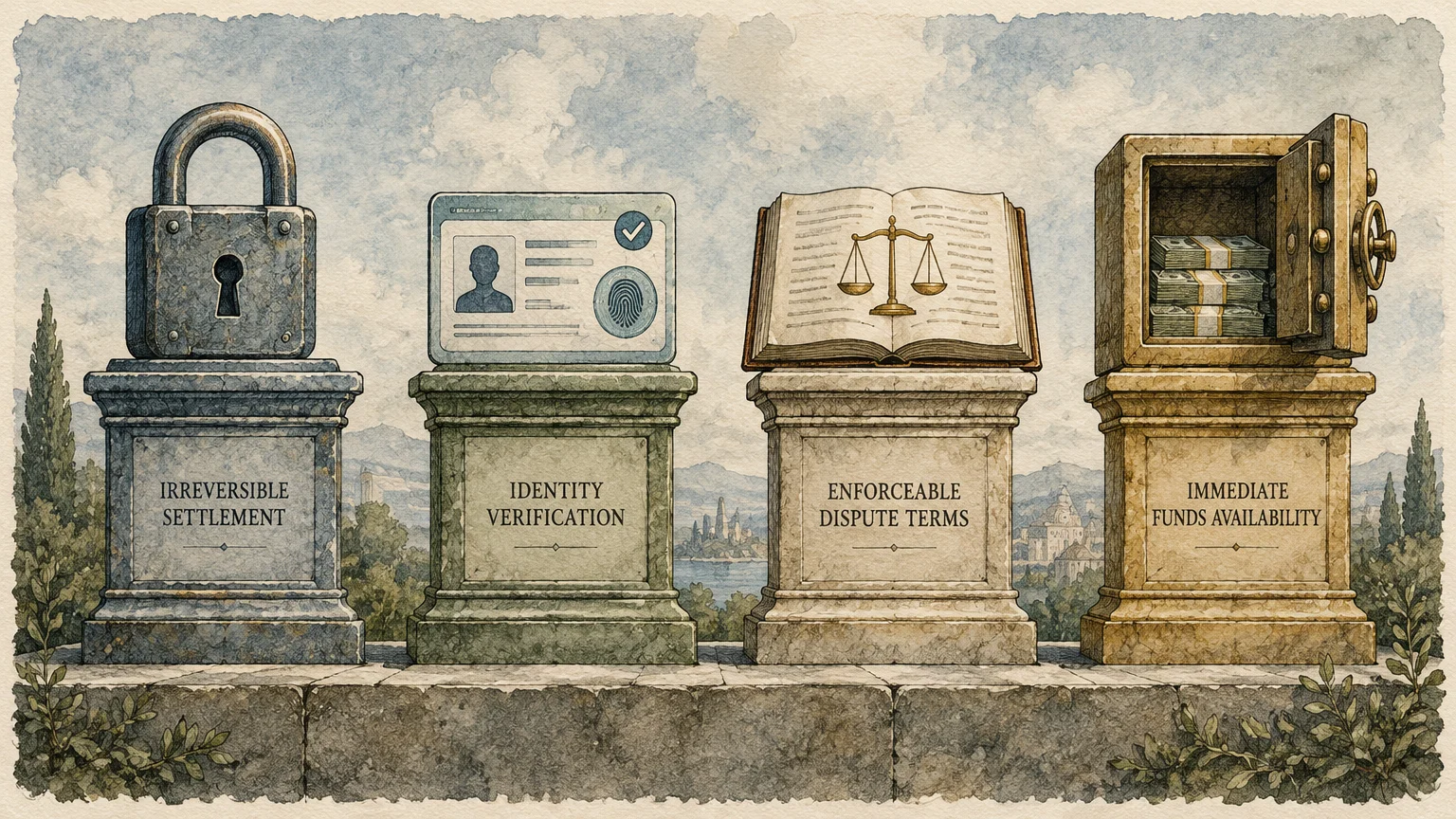
A secure payment method balances buyer convenience against seller protection. Every viable option must satisfy four core financial criteria.
- Irreversible Settlement: The buyer cannot unilaterally cancel or claw back the transfer once you surrender possession of the merchandise.
- Documented Identity Verification: The platform verifies the legal identity and banking credentials of both participating accounts.
- Enforceable Dispute Terms: Clear rules govern fraudulent claims, item damage disputes, and package tracking verification.
- Immediate Funds Availability: You can transfer settled funds into your personal bank account without arbitrary multi-week account freezes.
Never rely on a buyer’s preferred platform simply because they claim convenience. Legitimate shoppers respect sellers who enforce clear, transparent payment boundaries.
“Cash is king. It gives you purchasing power and protects you from financial entanglements.” — Dave Ramsey, Personal Finance Author
Financial peace of mind requires proactive defensive habits. Review these seven vetted payment channels before you list your next item.
1. Cash in Hand at a Designated Safe Exchange Zone
Physical cash remains the most definitive payment method for local, in-person transactions. Once you hold valid bills, the buyer cannot initiate a digital chargeback or file a payment dispute.
Local pickups eliminate platform service fees, shipping carrier delays, and damaged-in-transit disputes entirely. You inspect the money while the buyer inspects the goods.
Handling physical currency still introduces tangible physical safety risks. Counterfeit paper bills and personal robbery represent genuine hazards during face-to-face meetups.
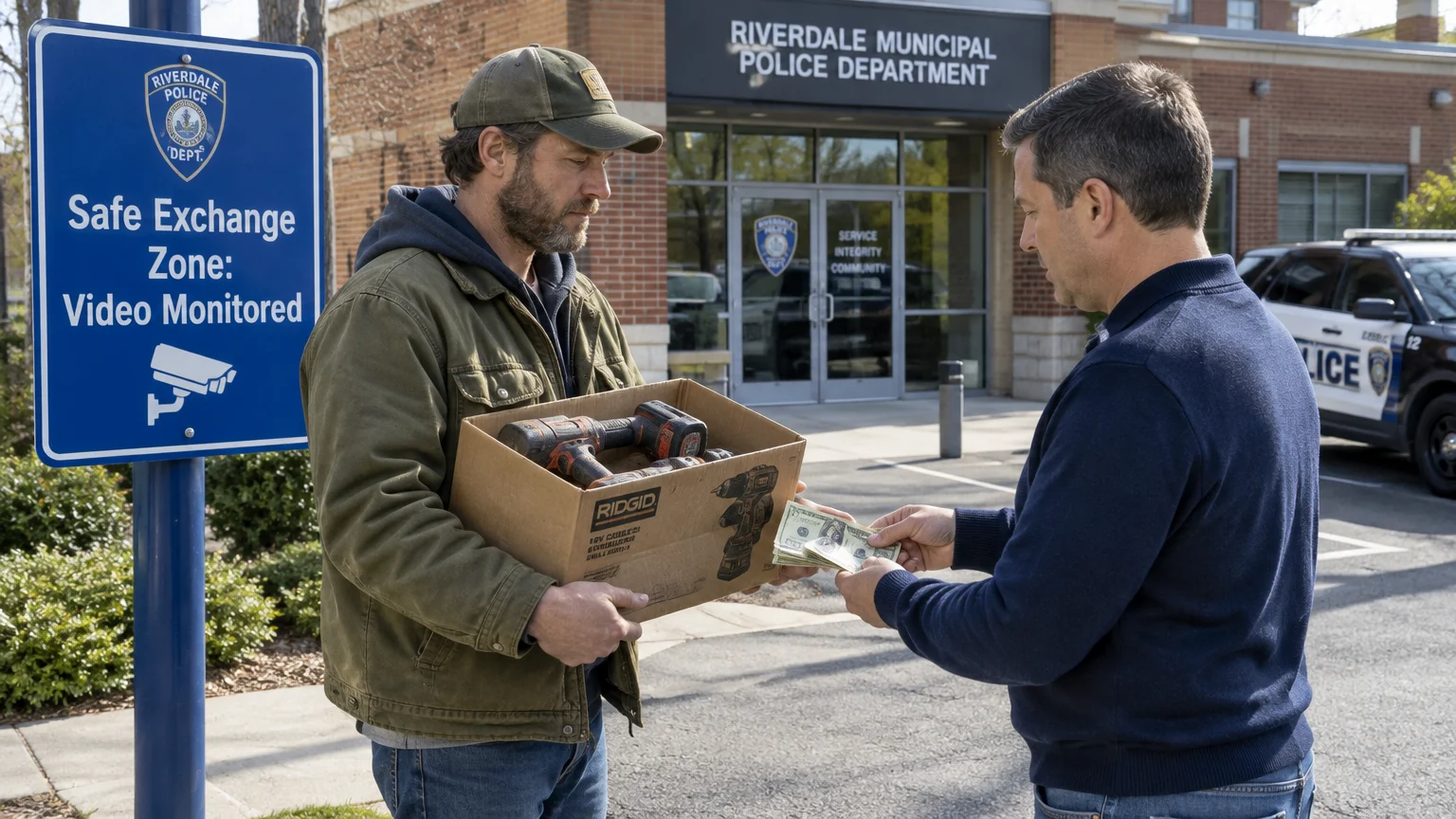
To eliminate these hazards, schedule all in-person exchanges during daylight hours at an official police station lobby or designated municipal Safe Exchange Zone.
Many municipal police departments maintain monitored parking stalls equipped with high-resolution surveillance cameras for public transactions. Law enforcement presence immediately deters counterfeiters and robbers.
Carry an inexpensive counterfeit detector pen for transactions involving high-denomination bills. Swipe every fifty-dollar and hundred-dollar bill before you hand over your item.
Never invite strangers to your private residence to collect furniture or electronics unless the item is genuinely impossible to transport. Even then, move the item onto your porch or garage beforehand.
2. Facebook Marketplace Native Checkout (Shipped Items)
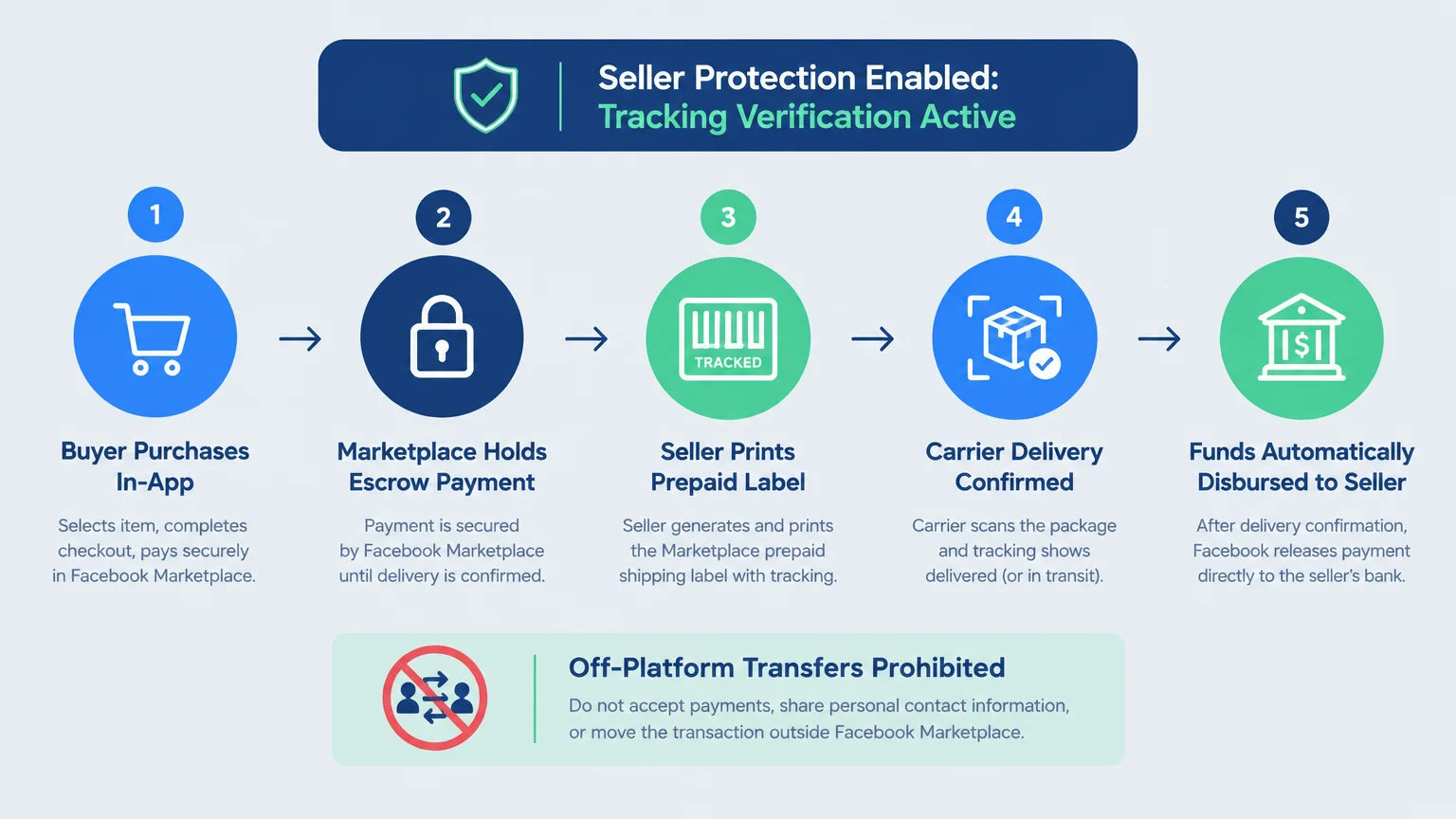
If you ship items to non-local buyers on Facebook Marketplace, always process payment through Facebook’s integrated checkout system. Meta’s built-in platform ties tracking numbers directly to buyer payments.
Facebook charges a standard 10% selling fee, with an $0.80 minimum per order, deducted automatically from your payout. That rate applies to all native shipped orders.
While that fee cuts into margins, it unlocks Meta Purchase and Seller Protection. If a dishonest customer claims their parcel never arrived, your integrated tracking data protects your revenue.
Meta handles payment clearing directly through secure processor networks. You never handle credit card numbers or expose personal financial accounts to strangers.
Be aware that commercial chargebacks on the platform can trigger a $20 dispute fee if an issuing bank rules against you. Protect yourself by shipping exclusively with tracking to the verified address on file.
Conversely, in-person pickups arranged through Facebook Marketplace incur $0 in platform fees. When meeting locally, collect physical cash rather than digital transfers.
3. PayPal Goods and Services
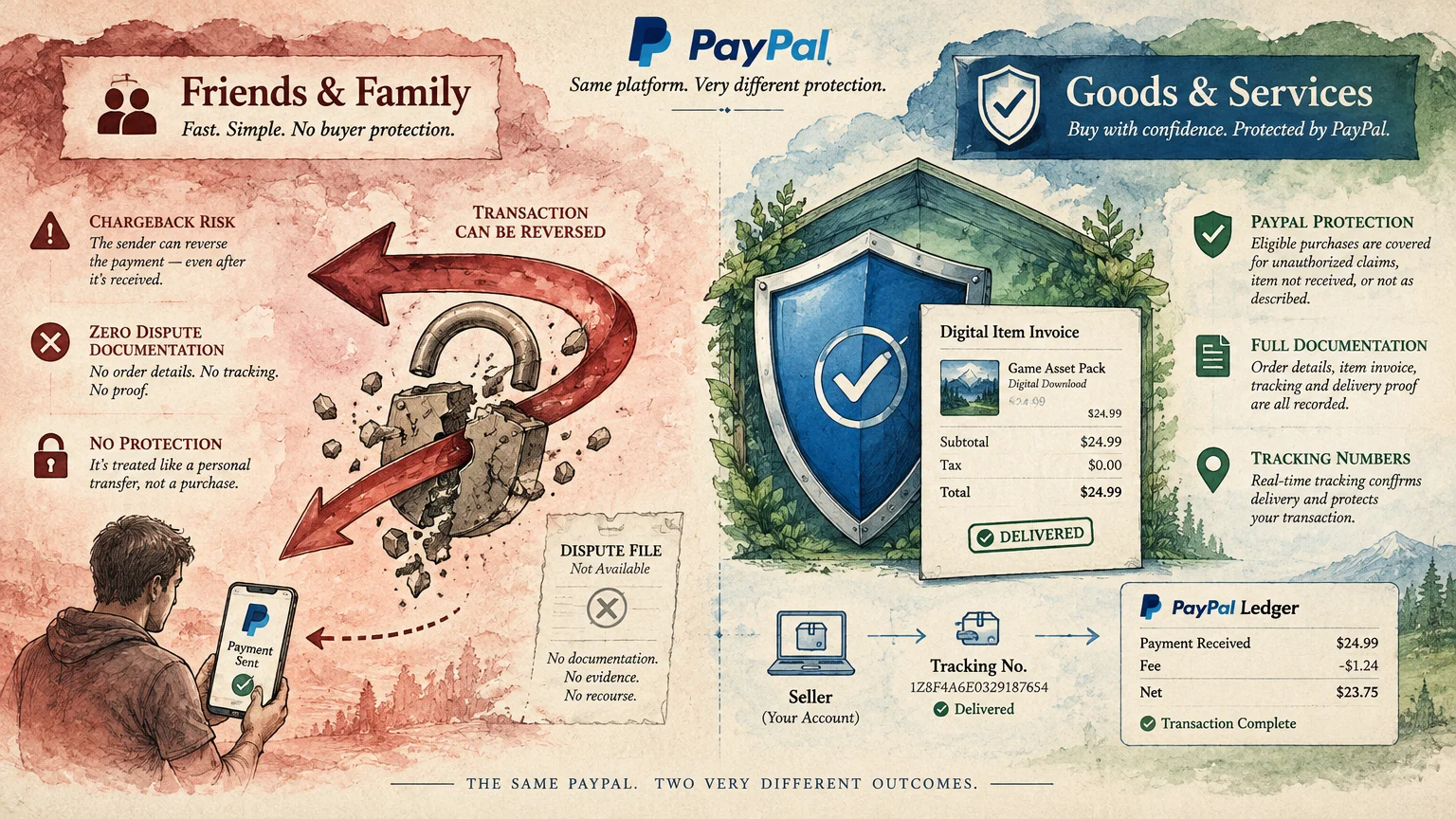
PayPal offers two fundamentally distinct transfer options: Friends and Family, and Goods and Services. As an online seller, you must select Goods and Services exclusively.
Receiving domestic payments through PayPal Goods and Services incurs a flat 2.99% fee charged directly to the seller. If you issue a formal commercial invoice or use PayPal Checkout, the standard rate is 3.49% plus $0.49 per transaction.
Never view that transaction fee as lost profit. Instead, view it as essential insurance against customer fraud.
That fee funds PayPal Seller Protection. If a buyer files an unauthorized transaction claim, PayPal covers your full sale amount—provided you show valid shipment tracking.
Scammers frequently ask sellers to accept Friends and Family transfers to avoid fees. Do not fall for this common marketplace trap.
Friends and Family transfers carry absolutely zero seller protection. If the buyer pays using a stolen credit card, PayPal reverses the money from your balance immediately.
Ship items solely to the primary shipping address listed on the buyer’s PayPal transaction receipt. Shipping to an alternate address requested via text message voids your Seller Protection entirely.
4. Venmo with Purchase Protection via Business QR Code
Venmo functions as a household staple for splitting dinners, but users increasingly rely on it for marketplace commerce. Standard peer-to-peer Venmo transfers carry zero dispute protection for sellers.
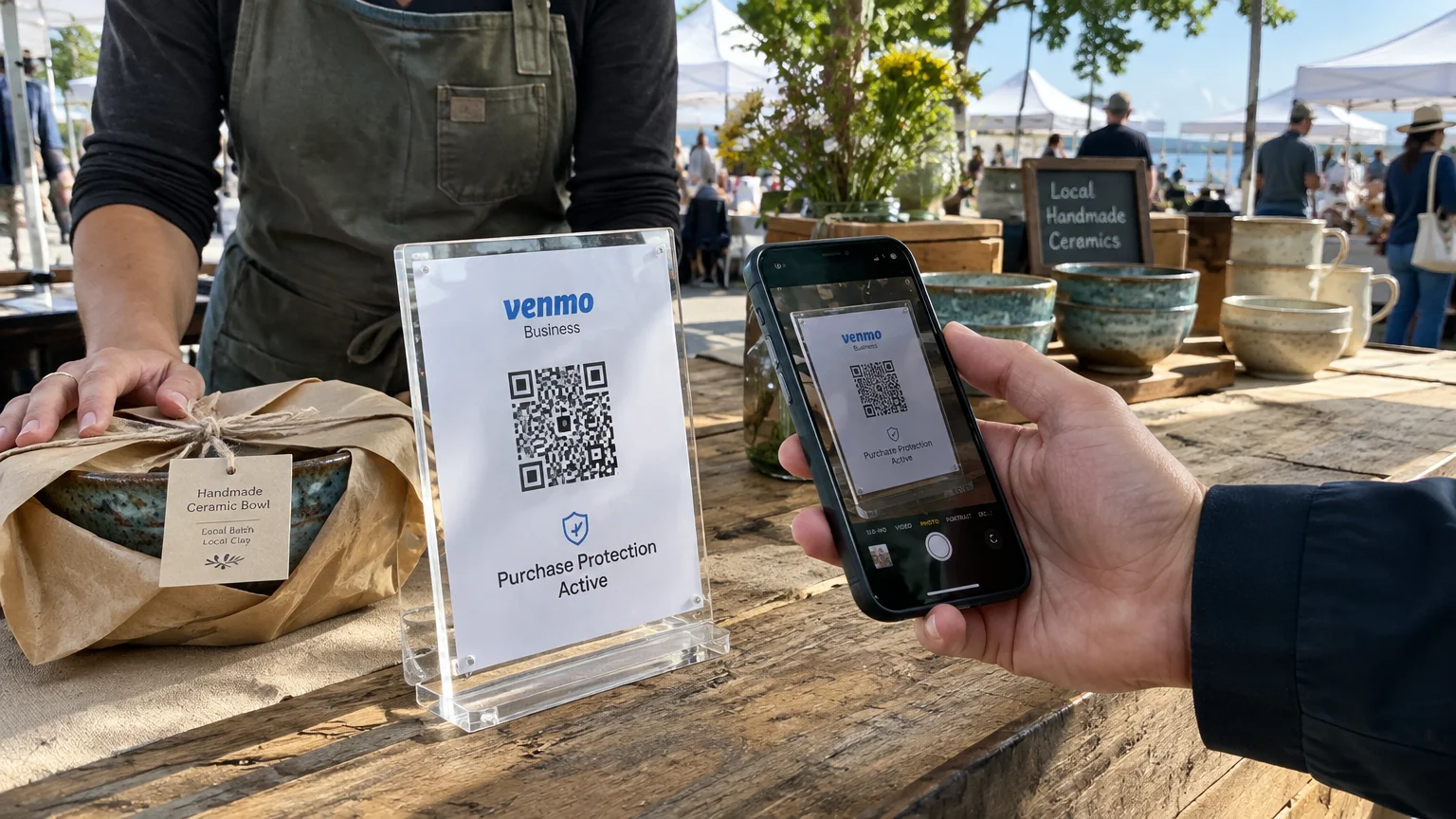
To accept Venmo safely, you must utilize Venmo Purchase Protection. When a buyer toggles the “Turn on for purchases” button, the seller pays a 2.99% transaction fee.
Alternatively, establish a dedicated Venmo Business Profile. Standard commercial transactions processed through a Business Profile incur a fee of 1.9% plus $0.10.
If you utilize Venmo’s in-person Tap to Pay feature, you will pay 2.29% plus $0.09 to $0.10 per sale. This tool transforms your smartphone into a secure point-of-sale terminal.
Read Venmo’s operating rules carefully regarding physical meetups. Venmo Purchase Protection explicitly excludes items collected in person unless the customer scans your physical Venmo Business QR code on-site.
When moving settled funds into your checking account, standard ACH transfers take one to three business days at $0 cost. If you need funds right away, Venmo’s Instant Transfer charges 1.75%, with a $0.25 minimum and $25 maximum fee.
5. In-Branch Certified Bank Checks for Big-Ticket Assets
Selling high-value assets like pre-owned vehicles, heavy machinery, or fine jewelry presents unique financial risks. Consumer peer-to-peer apps cap transaction sizes and expose sellers to devastating digital reversals.
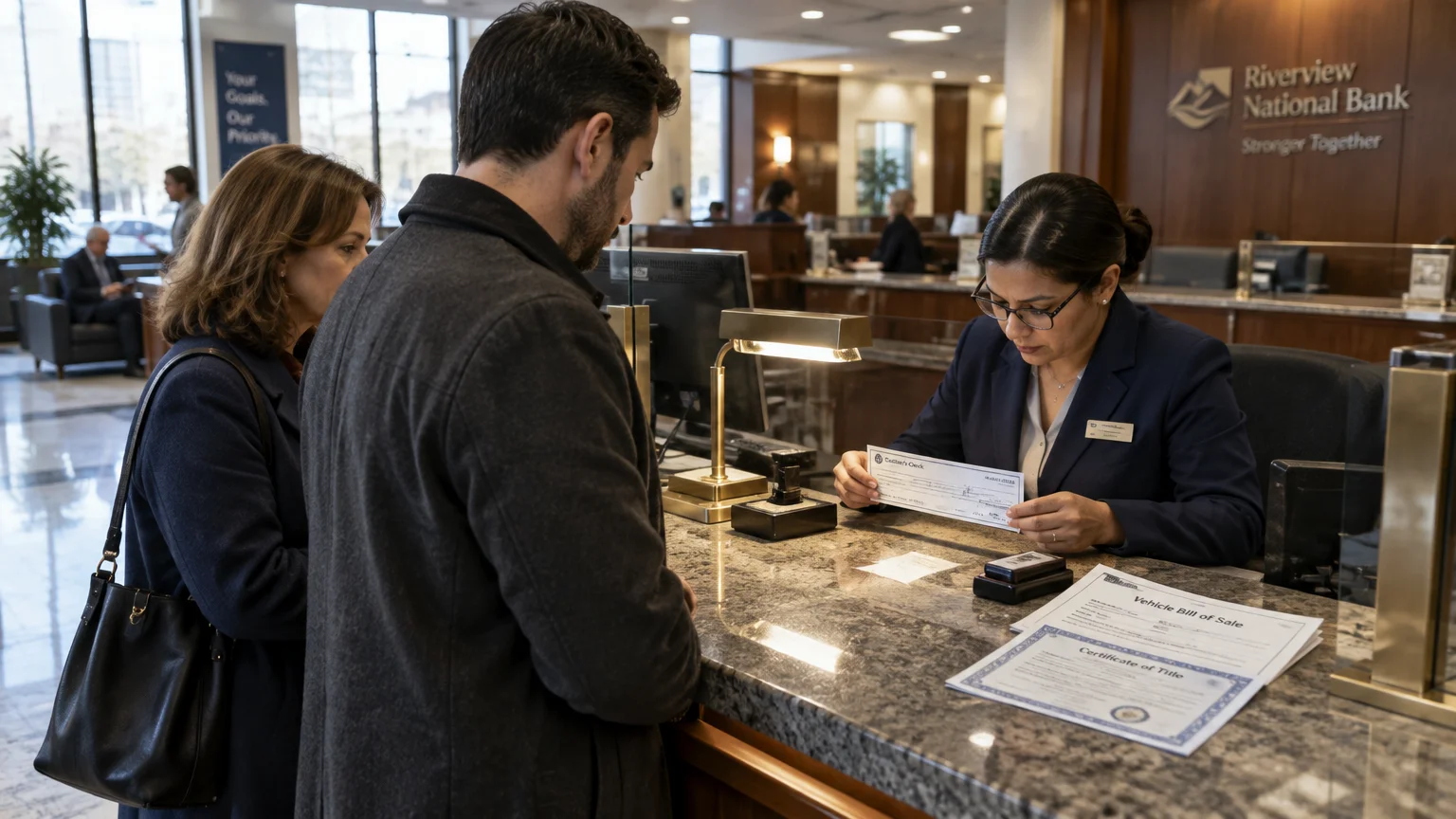
For transactions ranging between $2,000 and $25,000, request a certified check or cashier’s check. These payment instruments draw directly against guaranteed institutional funds rather than a personal bank account.
Do not accept a cashier’s check at face value outside a banking facility. Sophisticated counterfeiters produce remarkably realistic checks using high-grade magnetic ink and authentic routing codes.
Require the buyer to meet you directly inside the local branch of the issuing bank. Stand alongside the buyer at the teller window while the bank employee issues or verifies the instrument.
Have the bank teller cash the check immediately or convert it into a direct deposit into your own financial account. Never release vehicle titles, bill of sale documents, or physical keys until the bank completes settlement.
Independent guidelines from the Consumer Financial Protection Bureau emphasize that check clearing laws require banks to make funds available quickly, even before the check fully clears. Never mistake available funds for cleared funds.
6. Licensed Escrow Services (Escrow.com)
When shipping high-end luxury goods, designer watches, or rare collectibles worth thousands of dollars, traditional payment processors become risky. Buyers can abuse credit card chargeback mechanisms months after delivery.
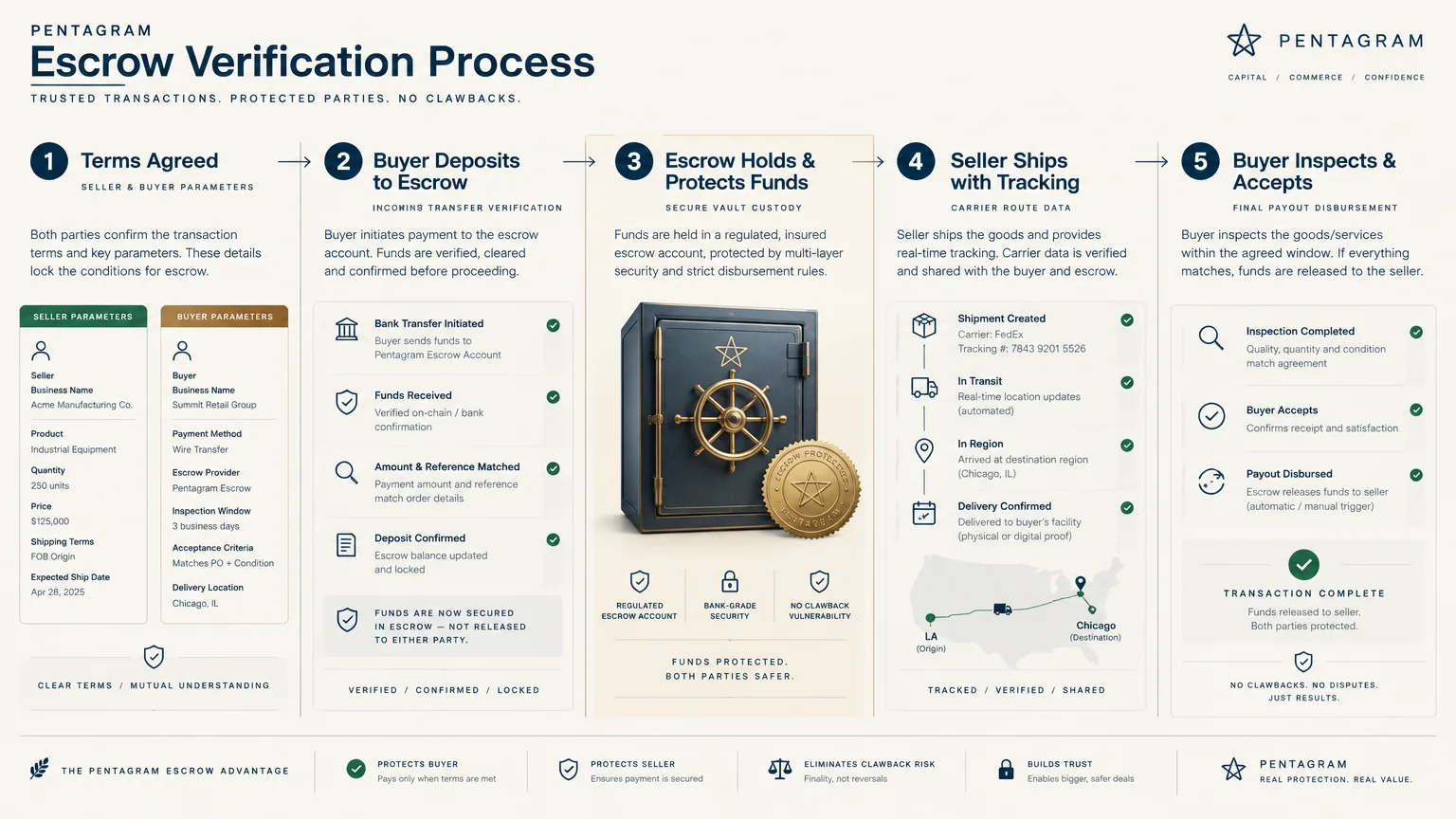
Licensed online escrow services, such as Escrow.com, eliminate counterparty risk for both sides. Escrow acts as an impartial third party holding the buyer’s funds securely.
The buyer deposits payment into escrow using a verified wire or ACH transfer. The platform verifies full payment collection before instructing the seller to dispatch the package.
Once tracking confirms delivery, the buyer receives a pre-negotiated inspection period—typically one to three days. After that inspection window closes, the platform releases the cash directly to the seller.
Escrow fees start as low as 0.89% for high-tier sales, making it more cost-effective than standard payment processing cards. Disbursement via domestic ACH is $0, while domestic wire transfers cost $10.
International bank wire disbursements cost between $20 and $25. For transactions exceeding $5,000, escrow provides the strongest defense against fraudulent return schemes.
7. Marketplace-Integrated Payments (eBay, Poshmark, Mercari)
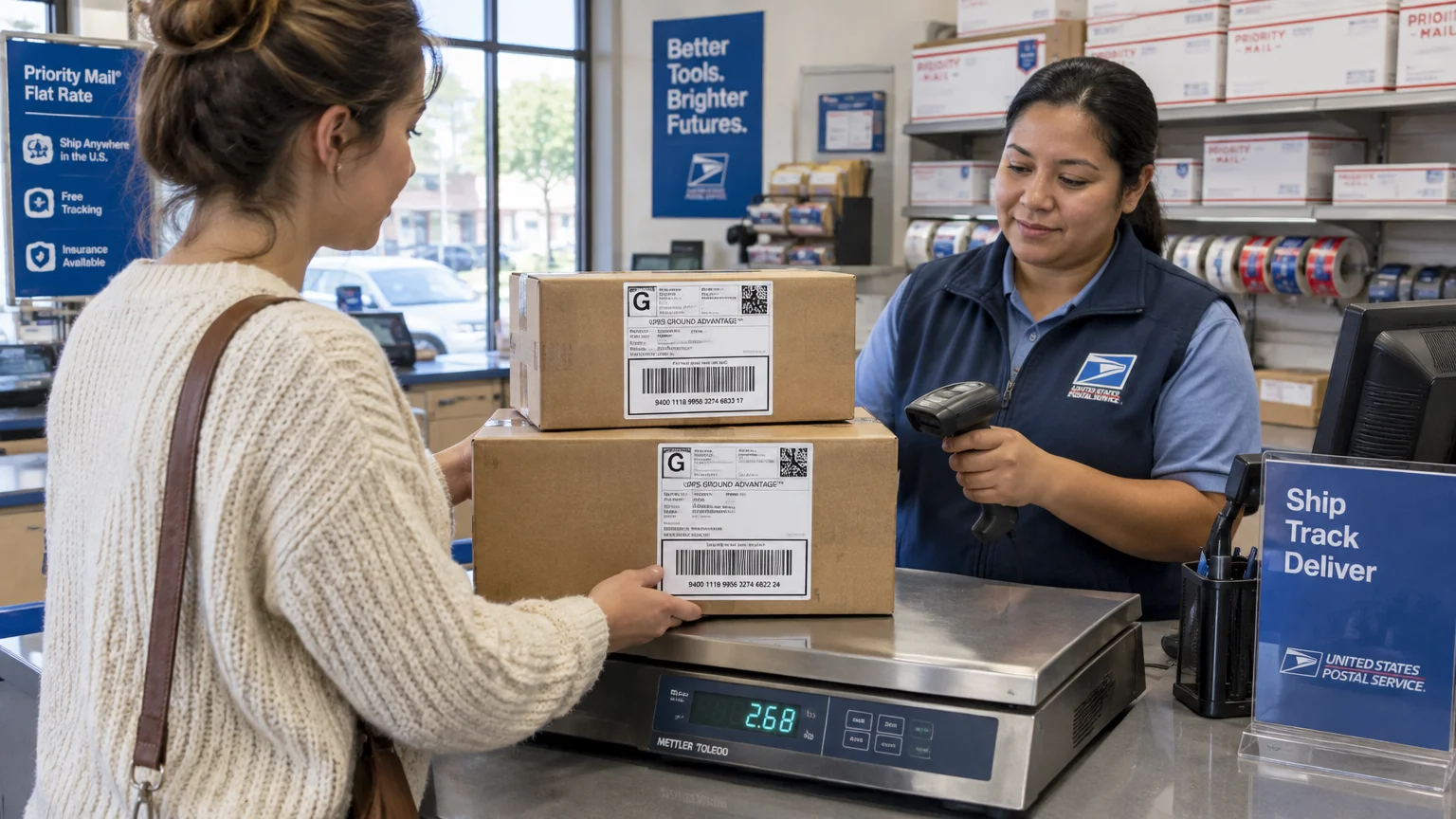
Mainstream secondary platforms handle end-to-end payment processing on behalf of independent sellers. Platforms like eBay, Poshmark, and Mercari collect payment at checkout and hold proceeds securely in managed accounts.
These platforms charge higher processing and listing fees, often ranging from 10% to 20% of the gross sale price. In exchange, they assume the primary administrative burden of payment processing.
The marketplace holds the buyer’s payment until carrier tracking confirms delivery to the recipient’s doorstep. This structure protects sellers from fraudulent non-payment claims.
Always purchase your shipping labels directly through the host platform’s internal dashboard. Using integrated prepaid labels links the postal carrier’s electronic scan events directly to your payout schedule.
If a buyer initiates an unverified credit card chargeback through their private bank, managed marketplaces step in to contest the reversal on your behalf. Keep detailed photos of high-value items during packing to prove their authentic condition.
Independent tests published by Consumer Reports regularly demonstrate that integrated platform checkout systems offer far superior dispute mediation compared to off-platform arrangements. Keep every phase of your transaction inside the host platform.
Payment Methods Comparison: Fees, Speed, and Protection
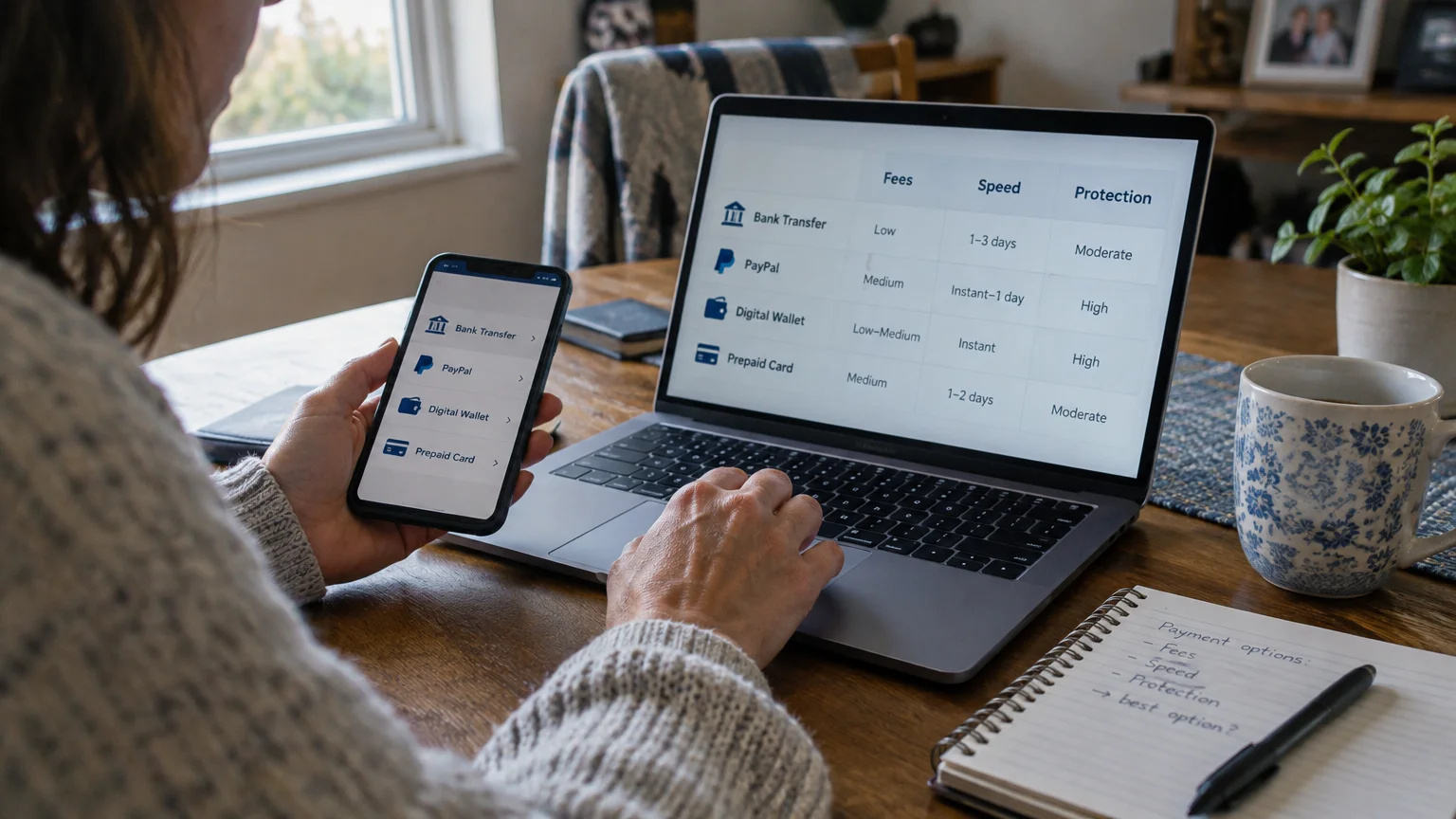
Every payment channel involves unique operational trade-offs between processing expenses, settlement speed, and dispute safety. Compare these verified payment methods to select the right tool for your inventory.
| Payment Method | Standard Seller Fee | Seller Protection | Settlement Speed | Best For |
|---|---|---|---|---|
| Cash (In-Person) | $0 | Absolute (Once verified) | Instant | Local marketplace pickups under $1,000 |
| Facebook Native Checkout | 10% ($0.80 minimum) | Included on tracked shipments | 2–5 business days | Shipped Facebook Marketplace items |
| PayPal Goods & Services | 2.99% (Domestic) | Included with tracking | Instant to balance (ACH: 1–3 days) | Direct buyer invoicing & forum sales |
| Venmo Business / Protected | 1.9% + $0.10 to 2.99% | Included (QR code required in person) | Instant to balance (Instant ACH: 1.75%) | Casual sales & mobile pop-ups |
| In-Branch Certified Check | $0 (Buyer pays bank fee) | Guaranteed by issuing bank | Immediate at teller counter | Vehicles, boats, and equipment over $2,000 |
| Escrow.com | From 0.89% | Comprehensive escrow hold | After inspection period (ACH: $0) | High-value collectibles & luxury watches |
| Platform Managed (eBay) | Platform-dependent (~13–15%) | Integrated dispute coverage | 1–3 business days after tracking scan | General retail shipping nationwide |
Tax Implications: Understanding the Form 1099-K Rules
Selling pre-owned possessions online requires an understanding of federal tax regulations. Electronic payment settlement entities must track gross transaction activity throughout the calendar year.
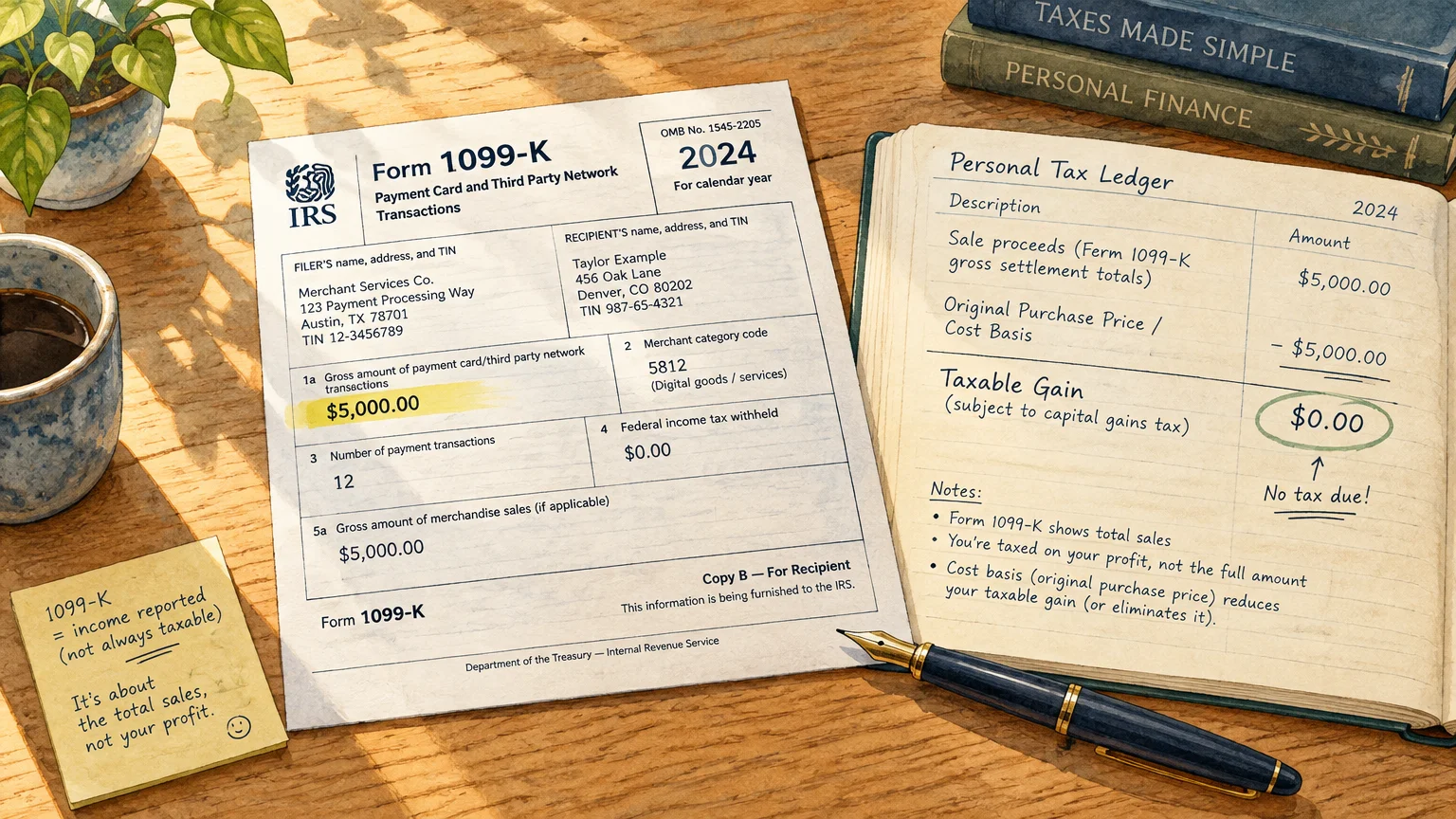
Following the enactment of the One, Big, Beautiful Bill Act (OBBBA), the federal reporting threshold for third-party settlement networks reverted to $20,000 in gross payments and more than 200 individual transactions per year.
The previously scheduled phase-in toward a lower $600 reporting threshold was officially repealed at the federal level. You will not trigger a federal Form 1099-K unless you exceed both statutory benchmarks.
Receiving an informational tax form does not automatically mean you owe taxes on that revenue. The Internal Revenue Service taxes net capital gains, not gross capital recovery.
Most everyday sellers liquidate personal items—like used smartphones, furniture, or bicycles—for significantly less than their original retail purchase price. Personal property sold at an economic loss does not generate taxable income.
Maintain digital copies of your original store receipts, credit card statements, or order confirmations for expensive goods. If a payment network issues you a Form 1099-K, documentation proves your original cost basis.
Avoiding Common Errors When Receiving Funds
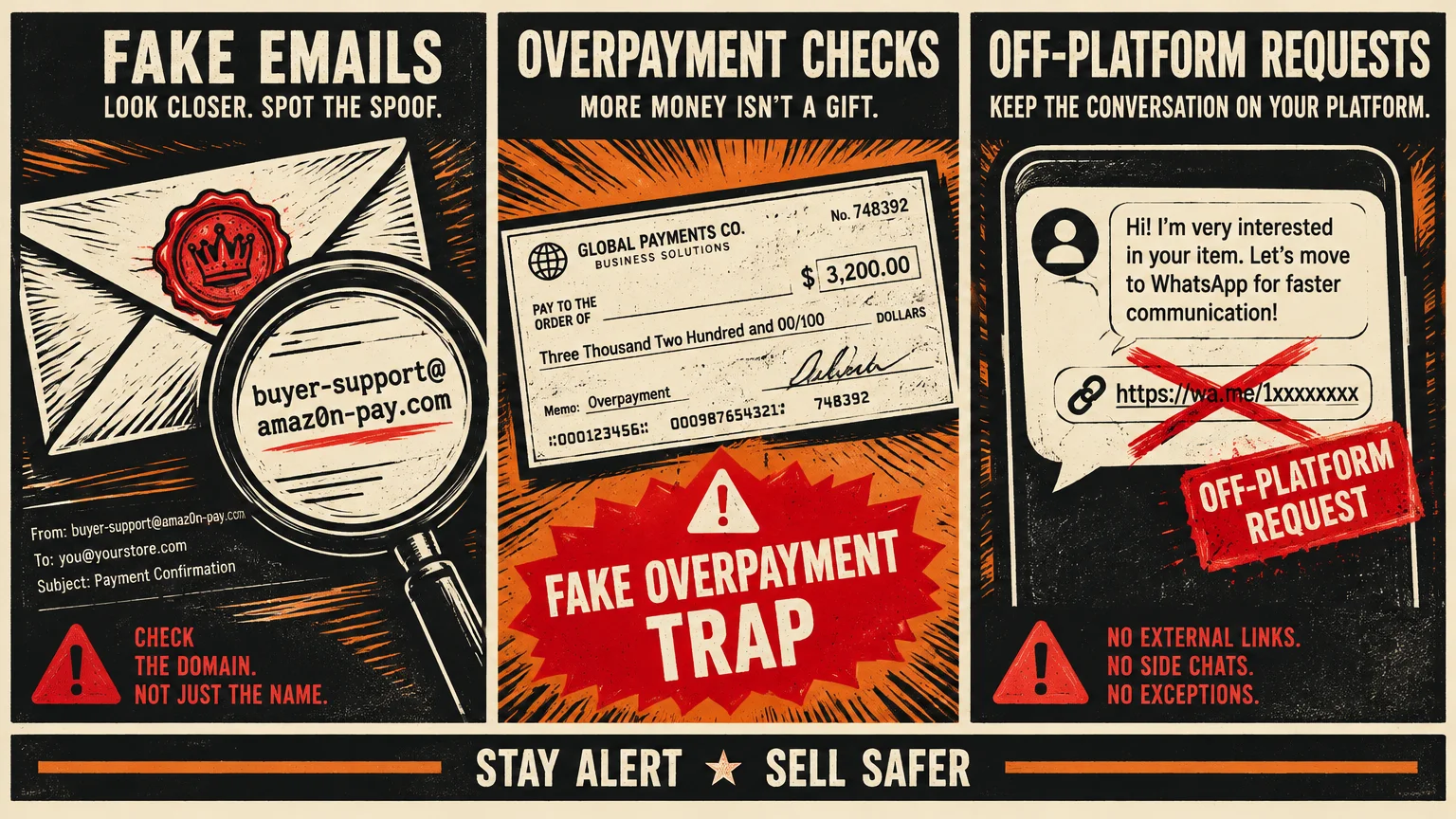
Modern payment scams rely on psychological manipulation rather than system hacking. Avoid these frequent seller mistakes to protect your bank account from fraud.
The Overpayment Trap
In this scheme, a buyer claims they mistakenly transferred more than your asking price. They politely request an immediate partial refund via digital payment app.
The buyer’s initial payment relies on a compromised checking account or stolen card. Once the bank discovers the initial theft, they reverse the full deposit, leaving you out the refunded cash.
Never send refund money to a buyer who claims an overpayment. Instruct them to cancel the original order through their banking institution instead.
Fake Payment Confirmation Emails
Scammers frequently send forged transaction emails that mimic PayPal, Venmo, or Zelle branding. These messages claim funds are held until you enter a postal tracking number.
No legitimate payment processor withholds email confirmations while demanding tracking numbers via reply email. Always verify payment by logging directly into your official app.
Ignore hyperlink buttons embedded inside incoming emails. If your independent platform dashboard shows zero pending funds, you have not been paid.
Moving Conversations Off-Platform
Dishonest buyers frequently urge sellers to abandon marketplace messaging tools. They ask to communicate via private text messages or WhatsApp.
Stepping outside platform communication channels voids your built-in seller protection instantly. Maintain every message, invoice, and tracking detail inside the marketplace system.
The Six-Digit Verification Code Scam
A buyer may claim they need to verify your identity before sending money. They trigger a two-factor authentication code to your smartphone and demand the six digits.
That code is actually a password reset token for your personal Google Voice or banking profile. Never share incoming verification codes with anyone under any circumstances.

When DIY Isn’t Enough: Managing High-Risk Sales
Standard marketplace guidelines work well for household clutter, but certain complex assets require specialized third-party intervention. Recognize situations where informal sales methods fall short.
Liquidating comprehensive estate collections or rare antiquities warrants a licensed auction house or professional consignment broker. Certified liquidators provide bonded physical security, insured transport, and audited buyer screening.
Private vehicle sales involving outstanding auto loan liens require title-transfer specialists. Complete these transactions inside the lienholder’s credit union branch to satisfy financing obligations simultaneously.
If you encounter sophisticated identity theft or hacked digital payment accounts, contact the FBI Internet Crime Complaint Center immediately. Document every digital exchange, routing code, and correspondence thread for investigators.
Frequently Asked Questions
Is Zelle safe for selling items to strangers online?
No, Zelle is designed strictly for sending money between family, friends, and verified acquaintances. Zelle provides zero seller protection for commercial transactions or lost packages.
If a buyer uses a compromised account to pay you via Zelle, their bank will claw back the money. Stick to protected commercial channels for marketplace buyers.
Can a buyer reverse a PayPal Goods and Services payment after delivery?
A buyer can file a dispute, but PayPal Seller Protection shields your funds if you follow program rules. You must provide a valid tracking number confirming delivery to the buyer’s verified address.
Maintain clear photographs of the merchandise and package labels before shipping. Detailed fulfillment documentation helps PayPal resolve disputed claims in your favor.
Do I have to pay taxes if I sell old personal belongings online?
Under federal tax laws, you only owe income taxes if you sell an asset for more than you originally paid. Used personal goods sold at a loss carry zero tax liability.
Keep organized records of your original purchase costs. If an app issues a Form 1099-K, your cost basis documentation proves that no taxable profit occurred.
What should I do if a buyer insists on paying by check for a shipped item?
Decline the transaction immediately. Check-by-mail requests for shipped marketplace items represent one of the oldest forms of counterfeit bank fraud.
The fraudulent check will initially show as available funds in your account before bouncing weeks later. Insist on integrated marketplace checkout systems instead.
Action Plan for Secure Online Sales
Selling items online remains a dependable way to declutter your living space and build your emergency savings fund. However, protecting your profits requires disciplined execution every time you make a sale.
Set clear terms from the moment you publish your listings. State your acceptable payment methods clearly, refuse off-platform communication requests, and verify cleared balances before relinquishing merchandise.
The information in this guide is meant for educational purposes. Your specific circumstances—including income, debt, tax situation, and goals—may require different approaches. When in doubt, consult a licensed professional.
Last updated: October 2026. Financial regulations and rates change frequently—verify current details with official sources.


