Medicare has officially finalized negotiated rates for 13 costly brand-name medications, lowering gross prices by up to 84%. These price reductions will take effect on January 1, 2028, and can meaningfully lower your out-of-pocket expenses.
The new pricing targets popular therapies for conditions like type 2 diabetes, cancer, arthritis, and heart disease. While the overall Medicare program will save billions, your personal savings depend directly on how your prescription drug plan calculates cost-sharing.
Understanding how these government-negotiated rates interact with annual caps and coinsurance will help you budget effectively for healthcare. Here is what you need to know about these landmark changes.
The 13 Medications and Their 2028 Negotiated Rates
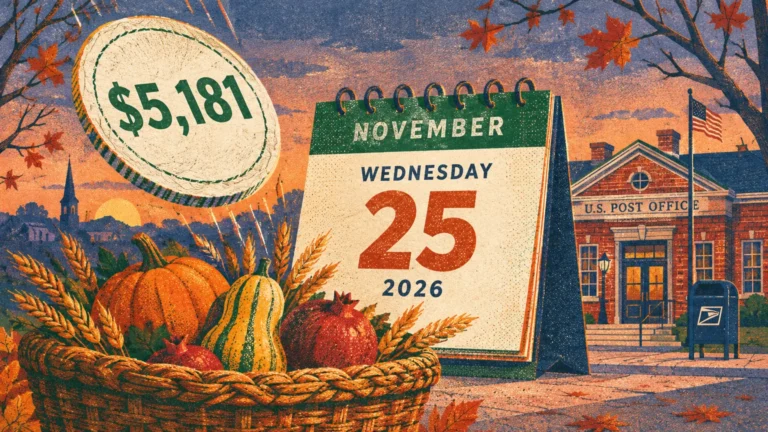
On November 23, 2026, the Centers for Medicare & Medicaid Services (CMS) finalized Maximum Fair Prices (MFPs) for 13 high-cost treatments. These cuts range from 34% to 84% off each drug’s 2025 Medicare gross cost.
This third wave under the Inflation Reduction Act marks the first cycle to include physician-administered Part B treatments. It also features the program’s first renegotiated drug, Tradjenta.
| Medication | Primary Condition Treated | Manufacturer | 2025 Gross Cost (30-Day) | 2028 Negotiated Price | Gross Price Cut |
|---|---|---|---|---|---|
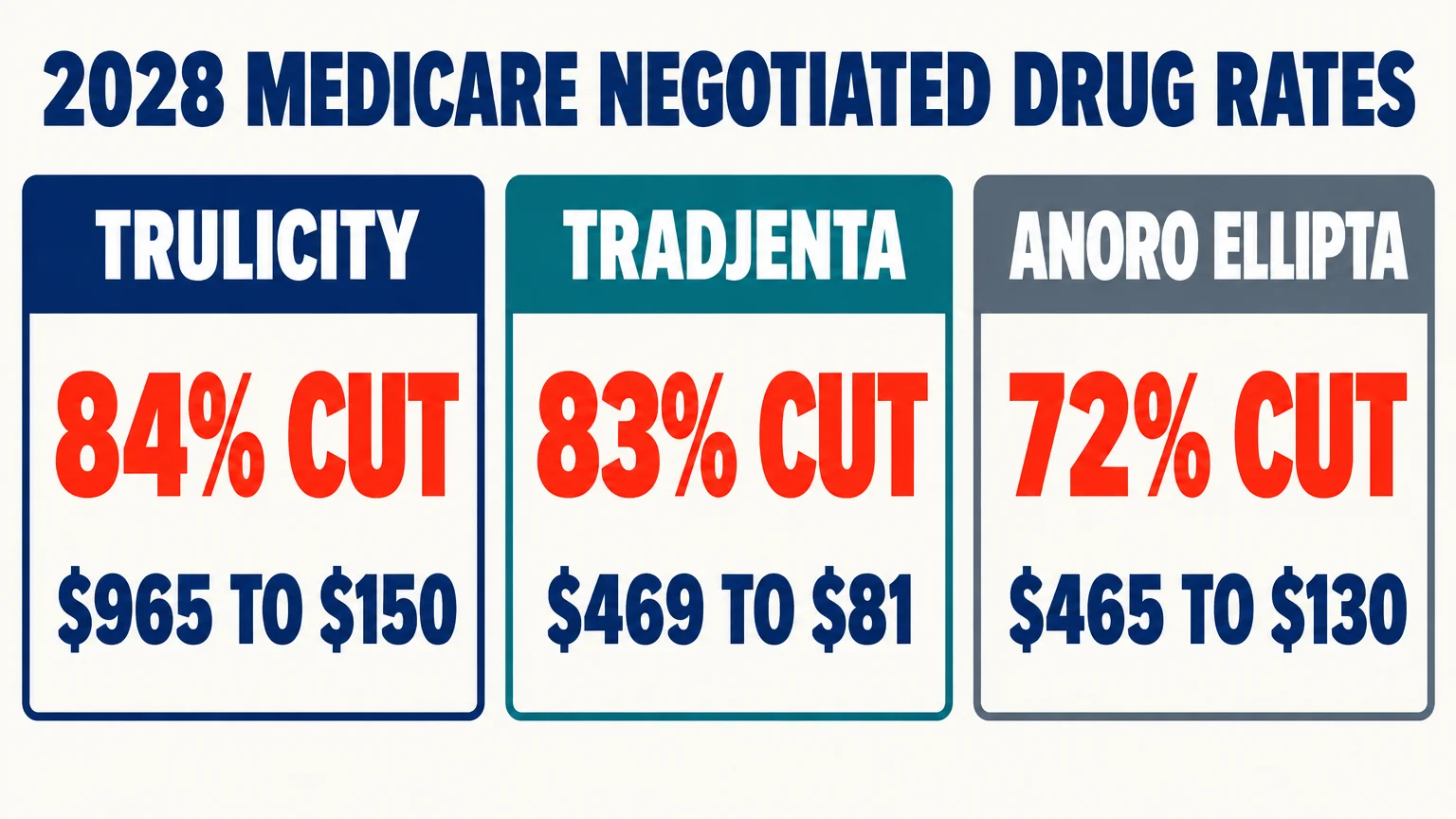
| Trulicity | Type 2 Diabetes, Cardiovascular Risk | Eli Lilly | $965 | $150 | 84% |
| Tradjenta | Type 2 Diabetes (Renegotiation) | Boehringer Ingelheim | $469 | $81 | 83% |
| Anoro Ellipta | COPD | GSK | $465 | $130 | 72% |
| Cosentyx | Psoriasis, Psoriatic Arthritis | Novartis | $7,835 | $2,600 | 67% |
| Orencia | Rheumatoid & Psoriatic Arthritis | Bristol Myers Squibb | $4,052 | $1,750 | 57% |
| Erleada | Prostate Cancer | Johnson & Johnson | $14,253 | $7,004 | 51% |
| Lenvima | Thyroid, Endometrial & Kidney Cancers | Eisai | $23,878 | $12,985 | 46% |
| Verzenio | Breast Cancer | Eli Lilly | $15,423 | $8,650 | 44% |
| Kisqali | Breast Cancer | Novartis | $15,120 | $8,650 | 43% |
| Rexulti | Depression, Schizophrenia, Agitation | Otsuka | $1,320 | $780 | 41% |
| Biktarvy | HIV-1 Infection | Gilead Sciences | $4,141 | $2,600 | 37% |
| Cimzia | Crohn’s Disease, Arthritis | UCB | $2,195 | $1,375 | 37% |
| Entyvio | Ulcerative Colitis, Crohn’s Disease | Takeda | $4,035 | $2,645 | 34% |
Combined with earlier rounds, Medicare has now negotiated prices for 37 unique drugs across three pricing cycles. By law, CMS will publish formal explanations for each agreed price by March 1, 2027.
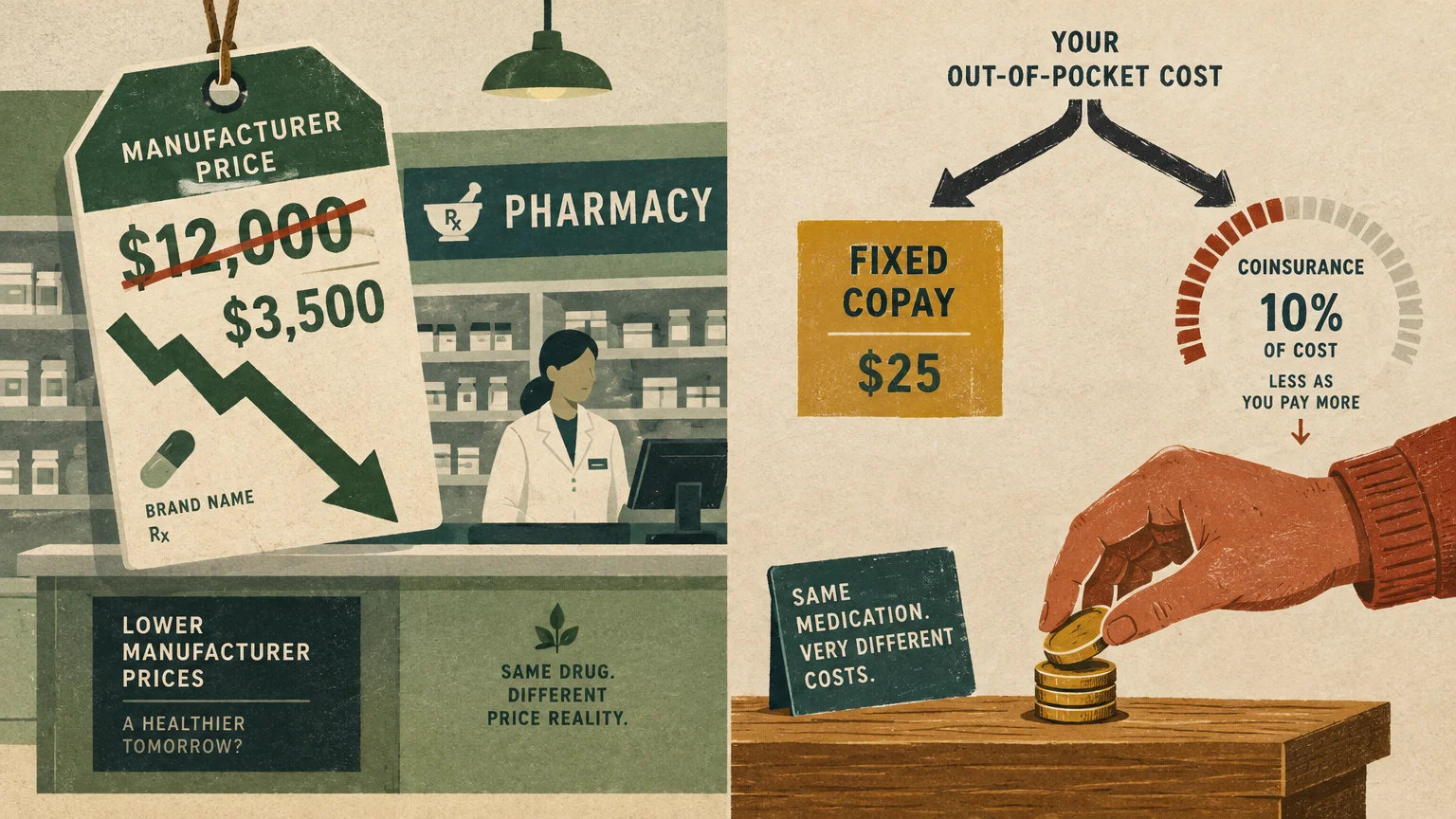
How Medicare Drug Prices Affect Your Pharmacy Copays
A large gross price discount does not automatically cut your counter copay by that exact percentage. The negotiated price represents the total amount Medicare and your insurance plan pay to the manufacturer.
If your Medicare Part D plan charges percentage coinsurance for a tier, your counter costs drop right away. However, if your plan uses a flat dollar copay, your payment may stay unchanged.
Lower gross drug prices also affect how quickly you satisfy your annual deductible. The maximum allowable Part D deductible rises to $700 in 2027, up from $615 in 2026.
Annual out-of-pocket spending limits protect Part D enrollees from catastrophic drug costs. The out-of-pocket prescription cap stands at $2,100 in 2026 and adjusts to $2,400 in 2027.
Because gross prices drop, you may take longer to reach that annual spending cap. However, your monthly cash outlay remains significantly lower and more predictable throughout the year.
Why Medicare Part B Delivers the Largest Direct Savings
The 2028 price list includes four therapies payable under Medicare Part B, which doctor offices and outpatient clinics administer directly. Beneficiaries will capture the bulk of immediate out-of-pocket relief in this category.
Under Original Medicare Part B, patients face a standard 20% coinsurance without an annual out-of-pocket ceiling. The annual Part B deductible sits at $283 in 2026 and rises to $292 in 2027.
Because you pay 20% of the gross drug cost, cheaper clinic medications translate directly into smaller medical bills. CMS estimates beneficiaries will save $395 million under Part B compared to $69 million under Part D.
Why Three Selected Drugs Were Excluded
CMS initially announced 15 potential drugs for negotiation in early 2026, but three did not receive a 2028 fair price. Specific legal and market conditions triggered their removal from the final schedule.
Both Xeljanz and Xolair exited the process after manufacturers launched generic and biosimilar competitors into the open market. Federal law exempts brand treatments whenever bona fide generic competition becomes available.
Meanwhile, Botox received no negotiated rate due to an active federal court injunction in AbbVie v. HHS. That ruling found the drug contains a human plasma-derived ingredient, creating a temporary statutory exemption.
“A budget is telling your money where to go instead of wondering where it went.” — Dave Ramsey, Personal Finance Author and Host

Actionable Budgeting Strategies for Medicare Beneficiaries
Proactive planning ensures you benefit fully from upcoming drug price cuts and prescription discounts. Taking control of your open enrollment options prevents unexpected surprises at the pharmacy counter.
- Review your Annual Notice of Change: Check your plan formulary every autumn to confirm tier placement and coverage rules for your regular prescriptions.
- Factor in Part B premiums and IRMAA: The standard Part B monthly premium rises to $209.40 in 2027. High earners face income adjustments tracked through tax returns filed with the Internal Revenue Service (IRS).
- Understand discount card limitations: Commercial pharmacy coupons and cash savings cards do not count toward your Medicare Part D annual out-of-pocket cap.
- Coordinate with retirement benefits: Verify your annual cost-of-living adjustments through the Social Security Administration to absorb changing plan deductibles.
Comparing alternative plans during open enrollment from October 15 through December 7 remains essential. Shopping around protects your wallet if your current insurer raises stand-alone premiums or drops preferred coverage.
Frequently Asked Questions
When do the negotiated prices take effect?
The negotiated rates for these 13 medications take effect on January 1, 2028. Earlier cycles took effect in 2026 for 10 drugs and take effect in 2027 for 15 drugs.
Will my pharmacy copay immediately drop by 84%?
Not necessarily. The 84% discount represents the reduction in Medicare’s gross purchase price, not a guaranteed copay cut. Your savings depend on whether your plan charges flat copays or percentage coinsurance.
Must every Medicare drug plan cover these 13 treatments?
Yes, all Medicare Part D and Medicare Advantage drug plans must include these negotiated medications on their formularies. However, insurers may still place them on different cost-sharing tiers.
Can I use pharmacy discount coupons to reach my Medicare deductible faster?
No, medications purchased with commercial discount coupons or cash savings cards do not count toward your Medicare deductible. Review guidance from the Consumer Financial Protection Bureau when comparing health payment options.
Navigating Your Prescription Costs
Staying ahead of Medicare changes allows you to manage healthcare costs and protect your retirement savings. Regularly review your formulary coverage and project your annual expenses before each open enrollment window closes.
This article provides general financial education and information only. Everyone’s financial situation is unique—what works for others may not work for you. For personalized advice, consider consulting a qualified financial professional such as a CFP or CPA.
Last updated: November 2026. Financial regulations and rates change frequently—verify current details with official sources.