Identity thieves stole billions from millions of Americans last year, and your Social Security number remains their primary target. Handing it out carelessly exposes your credit, tax refunds, and personal financial accounts to severe disruption.
Most businesses that request your nine-digit number have no legal authority to demand it. Knowing when to push back protects your personal wealth without sacrificing the services you require.
Before you fill out another intake form or application, review these critical situations where your number must stay private. Establishing firm privacy habits now shields your household from long-term financial fallout.
The Escalating Threat of Stolen Social Security Numbers
Data compromises expose millions of sensitive personal records every single year. You cannot assume your private identifiers stay secure once you surrender them to private databases.
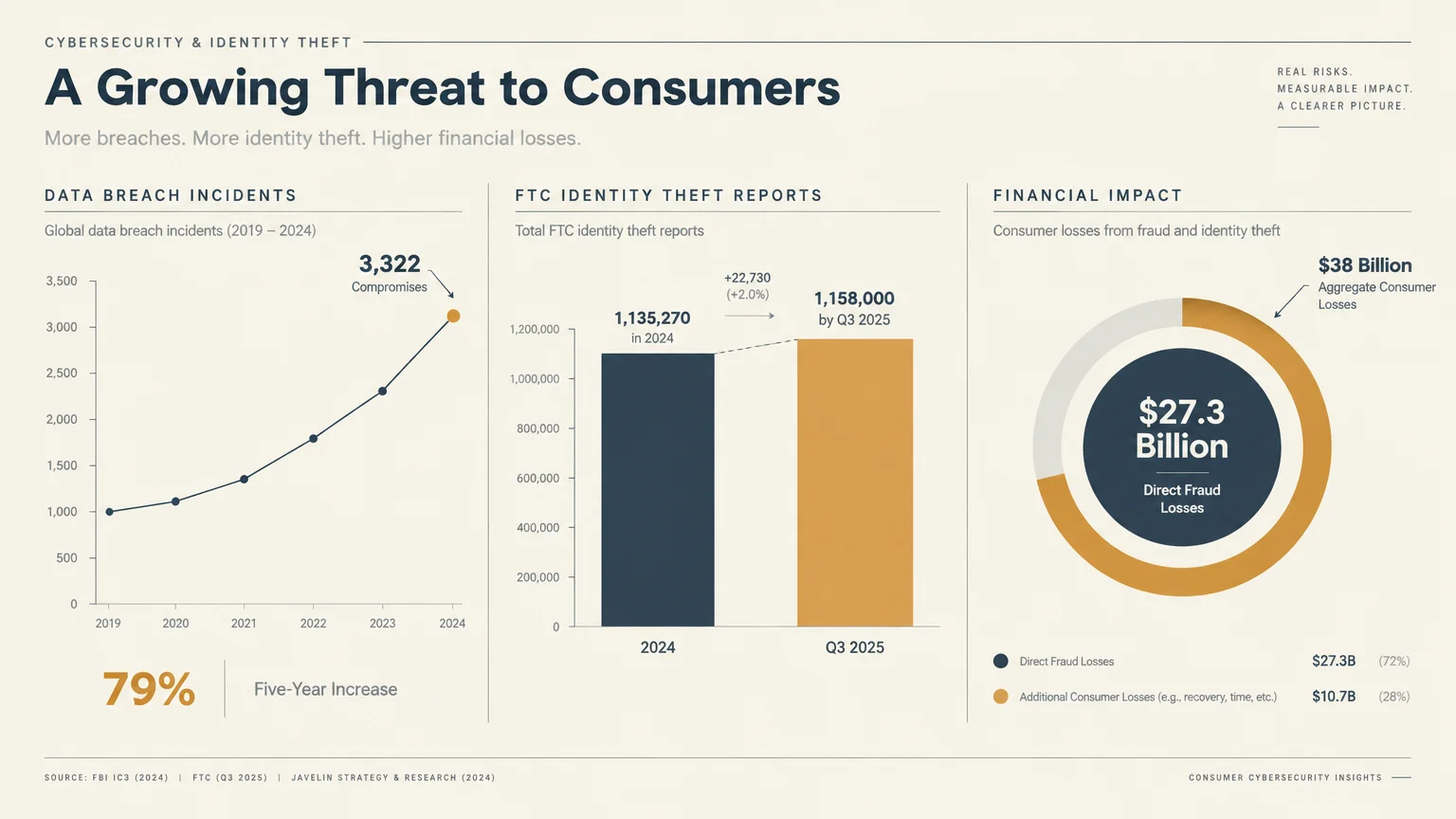
According to the Identity Theft Resource Center (ITRC), organizations reported a record 3,322 data compromises in 2025. This surge represents a 79% jump in breaches over a five-year window.
The Federal Trade Commission (FTC) logged 1,135,270 identity theft complaints in 2024 alone. By the third quarter of 2025, consumer reports had already surpassed that annual total with 1,158,000 filings.
Javelin Strategy & Research estimates that identity fraud drove $27.3 billion in direct losses across 18 million victims in 2025. Scams pushed aggregate consumer losses even higher to $38 billion.
New account credit card fraud ranks as the top form of identity theft tracked by federal regulators. Criminals need only your name, date of birth, and Social Security number to launch fraudulent accounts.
“Identity theft is a crime of opportunity, and giving away your Social Security number hands thieves the keys to your life.” — Suze Orman, Personal Finance Author and Host
1. Initial Job Applications and Early Interviews
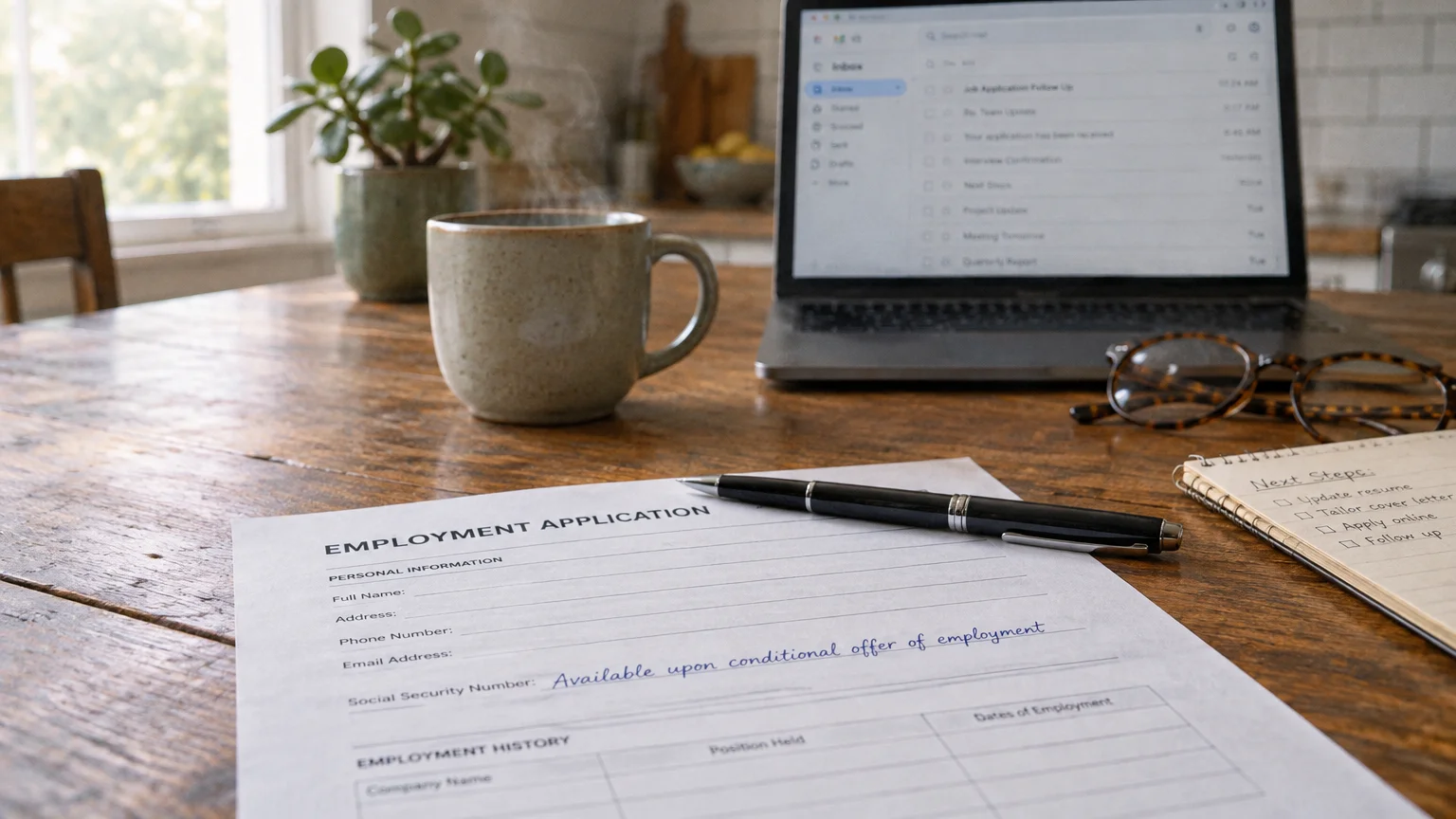
Submitting your Social Security number on an initial job application creates massive unnecessary exposure. Unvetted hiring platforms and job boards frequently fall victim to sophisticated data scraping operations.
Legitimate employers do not need your number during initial screening conversations. They require your tax identifiers only after presenting a formal, written offer of employment.
Staff need your data to conduct background screenings and process federal payroll forms. Withholding it until you receive an official offer protects you from employment impersonation scams.
- The Risk: Ghost job postings harvest personal data to resell on illicit underground markets.
- The Legal Reality: Federal law requires taxpayer identification for Form W-4 and Form I-9 verification only after hiring.
- What to Do Instead: Write “Available upon conditional offer of employment” across any initial application form.
2. Routine Medical and Dental Intake Forms
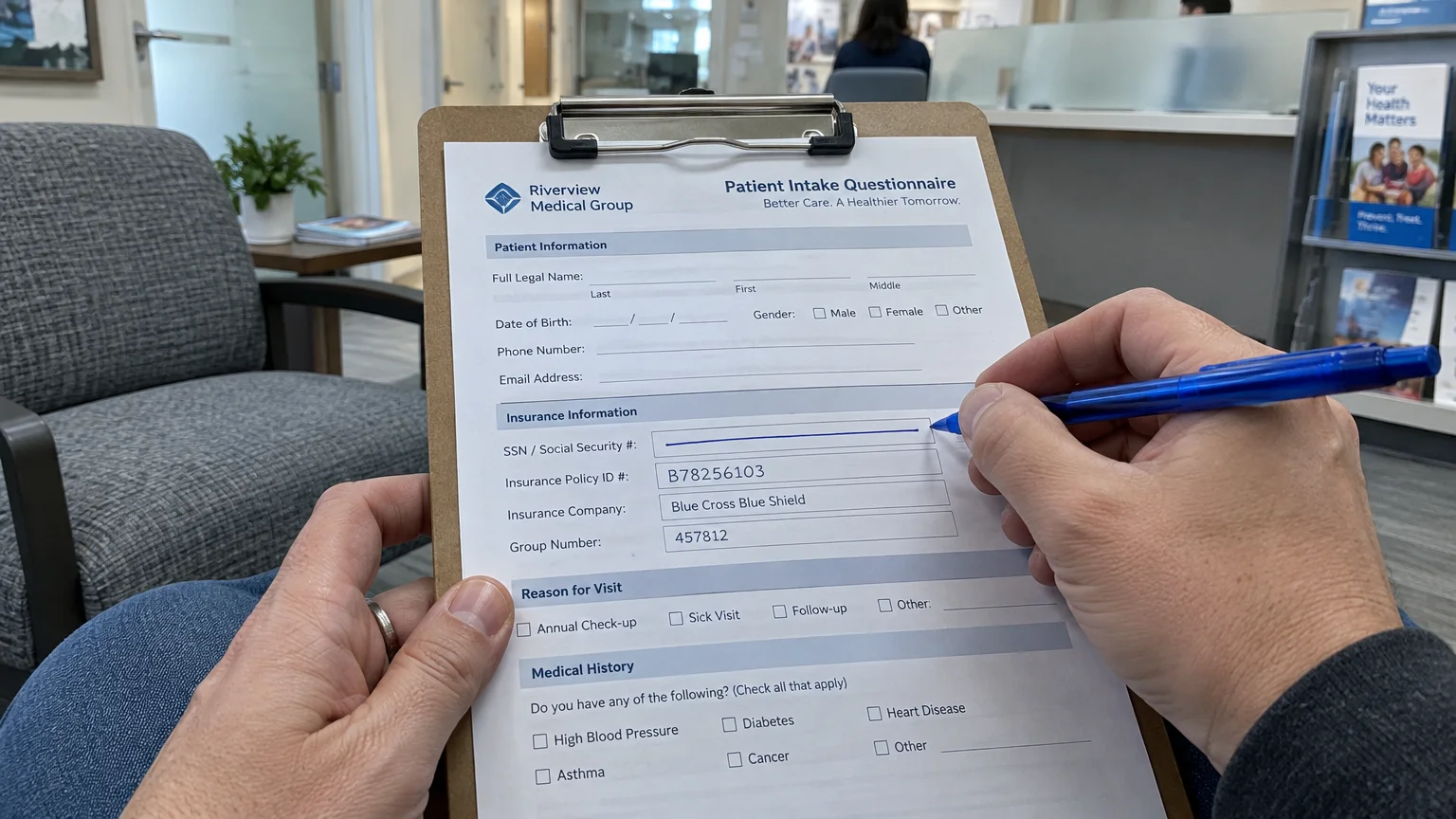
Clipboard intake questionnaires at healthcare clinics routinely feature blank boxes for your nine-digit number. Receptionists often hand these forms out under the assumption that every line requires completion.
Private medical practices do not possess a statutory mandate to record your government identifier. They usually collect the number to ease debt collections if an account turns delinquent.
Under the Medicare Access and CHIP Reauthorization Act, modern Medicare cards use an 11-character identifier rather than an SSN. Doctors need your health insurance policy numbers, not your federal identifier.
Leaving the line blank protects your data if the clinic experiences a digital ransomware intrusion. Medical networks remain a prime target for malicious cyberattacks across the country.
3. Retail Loyalty Programs and Point-of-Sale Counters
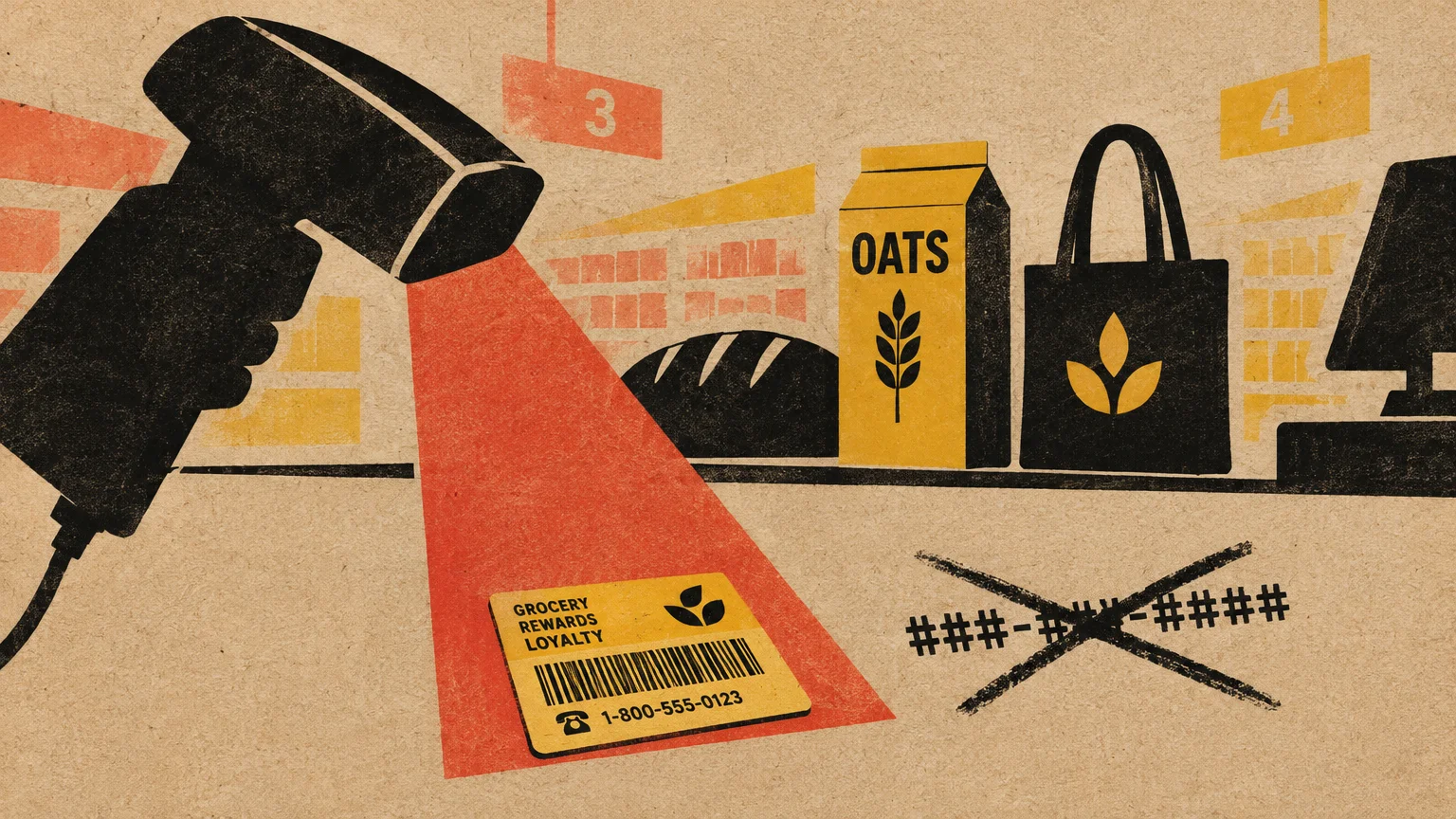
Cashiers occasionally ask for private details while processing transactions or signing customers up for discounts. You should never disclose sensitive identifiers to secure store coupons or point-tracking perks.
Store clerks work in open environments where surrounding shoppers can easily overhear spoken numbers. Furthermore, entry-level retail databases rarely feature high-tier cryptographic security safeguards.
Retailers track shopping habits through phone numbers, email addresses, or physical loyalty cards. Any cashier insisting on a federal identifier is conflating reward enrollment with store credit applications.
Simply inform the employee that you decline to provide sensitive personal records for marketing enrollments. If the system demands an identifier, request that they use an alternate loyalty identifier.
4. Inbound Phone Calls Claiming Urgent Government Business
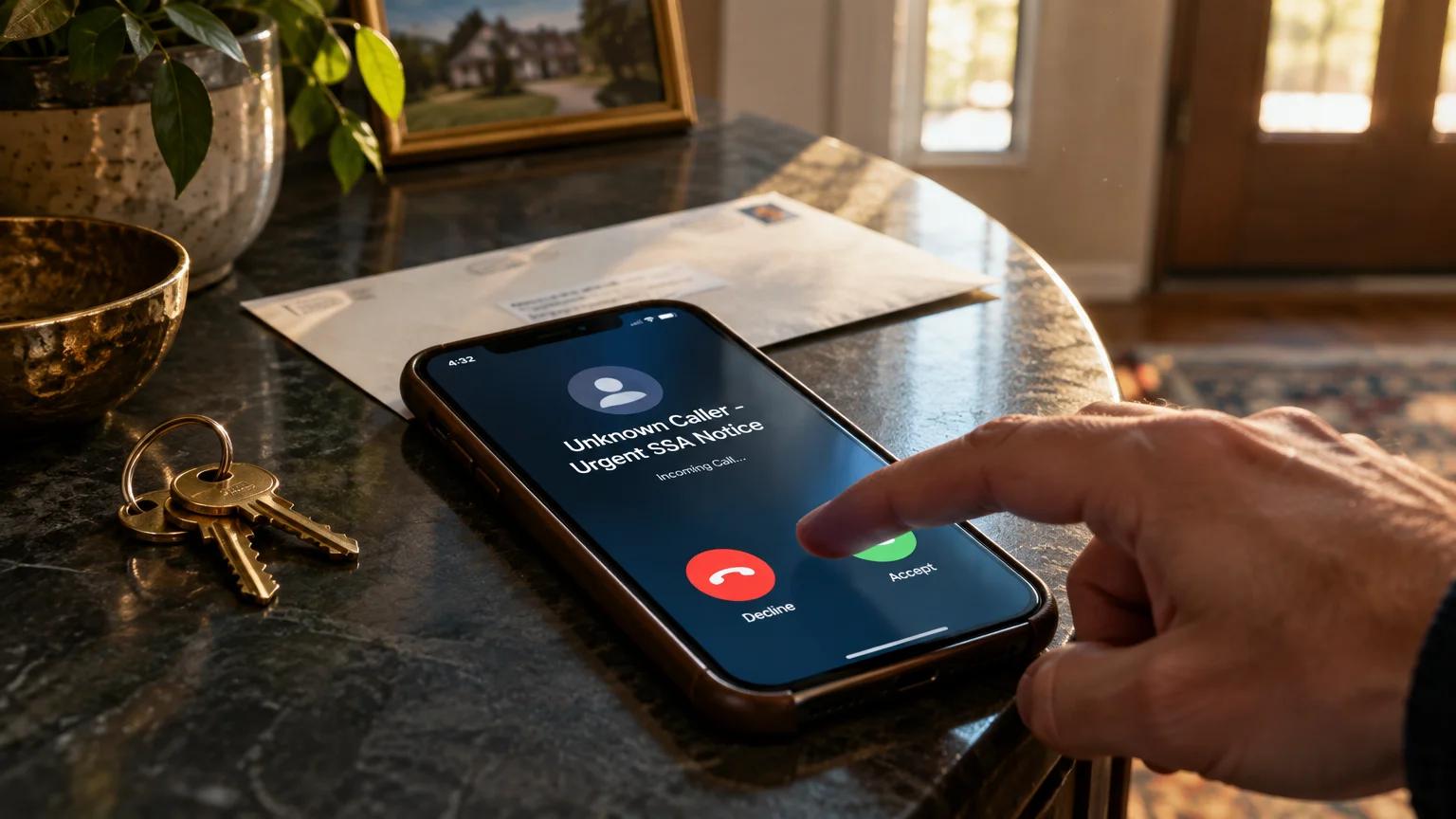
Scammers routinely spoof agency caller identification to convince targets that their benefits face cancellation. These callers threaten immediate arrest or asset forfeiture unless you confirm your nine-digit identifier.
Official agencies do not conduct urgent identity verification business through spontaneous outbound calls. The Social Security Administration initiates formal compliance matters by physical mail delivered through the postal service.
Fraudsters use artificial urgency to circumvent your natural skepticism and critical thinking. Hanging up instantly terminates the attack vector and prevents accidental disclosure of your credentials.
If you suspect an inquiry might carry legitimate weight, contact the verified agency directly. Look up official contact information on government portals rather than calling numbers provided by callers.
5. K-12 School Registrations and Youth Sports Leagues
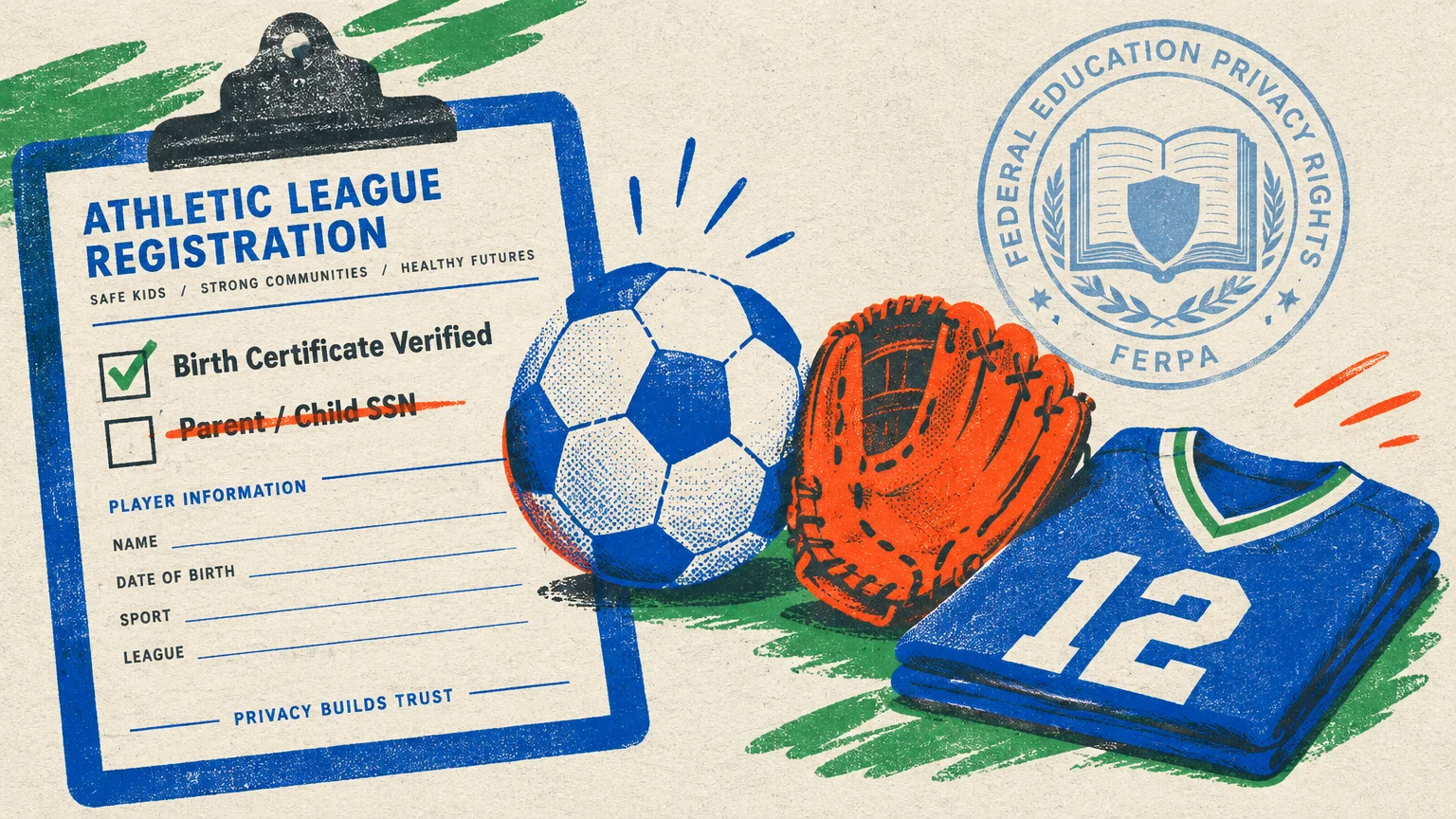
Youth activity leagues and public school districts frequently include social identifier blanks on paper enrollment packets. Administrative staff often reuse outdated document templates without assessing modern digital security requirements.
Federal law protects access to public education regardless of whether a parent provides a child’s number. Schools use student identification codes to monitor academic records without relying on federal tax records.
Child identity theft causes lasting damage because credit bureaus often maintain clean files for minors. Criminals exploit clean youth profiles for years before a teenager applies for their first car loan.
Cross out the requested field and ask administrators to assign an alternative local record number. Most school software packages generate unique student identifiers automatically upon registration.
6. Prospective Rental Walkthroughs and Informal Tours
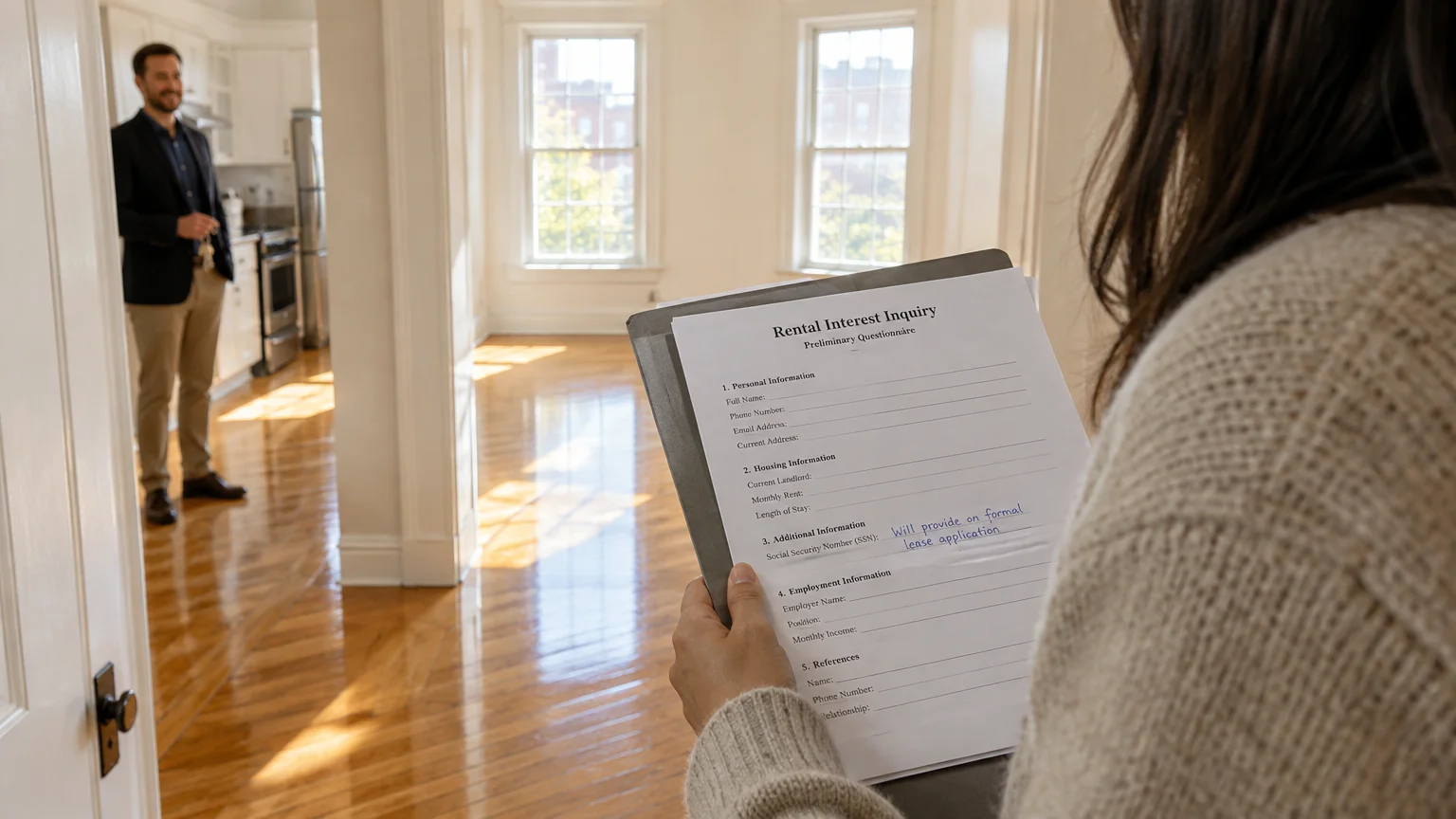
Landlords regularly demand personal screening data before allowing prospective tenants to tour available properties. Surrendering sensitive records before viewing an apartment exposes you to bogus rental listing schemes.
Rogue actors frequently copy genuine real estate listings and pose as property managers online. They collect application fees and identity records from multiple victims before vanishing without a trace.
Legitimate background and credit checks belong in the formal application phase. You should only share screening details after touring the unit and verifying property ownership records.
Offer a recently pulled consumer credit summary with redacted identification numbers during initial discussions. Serious property managers will accept verified third-party screening summaries during early exploratory conversations.
7. Gym Memberships, Internet Providers, and Utilities
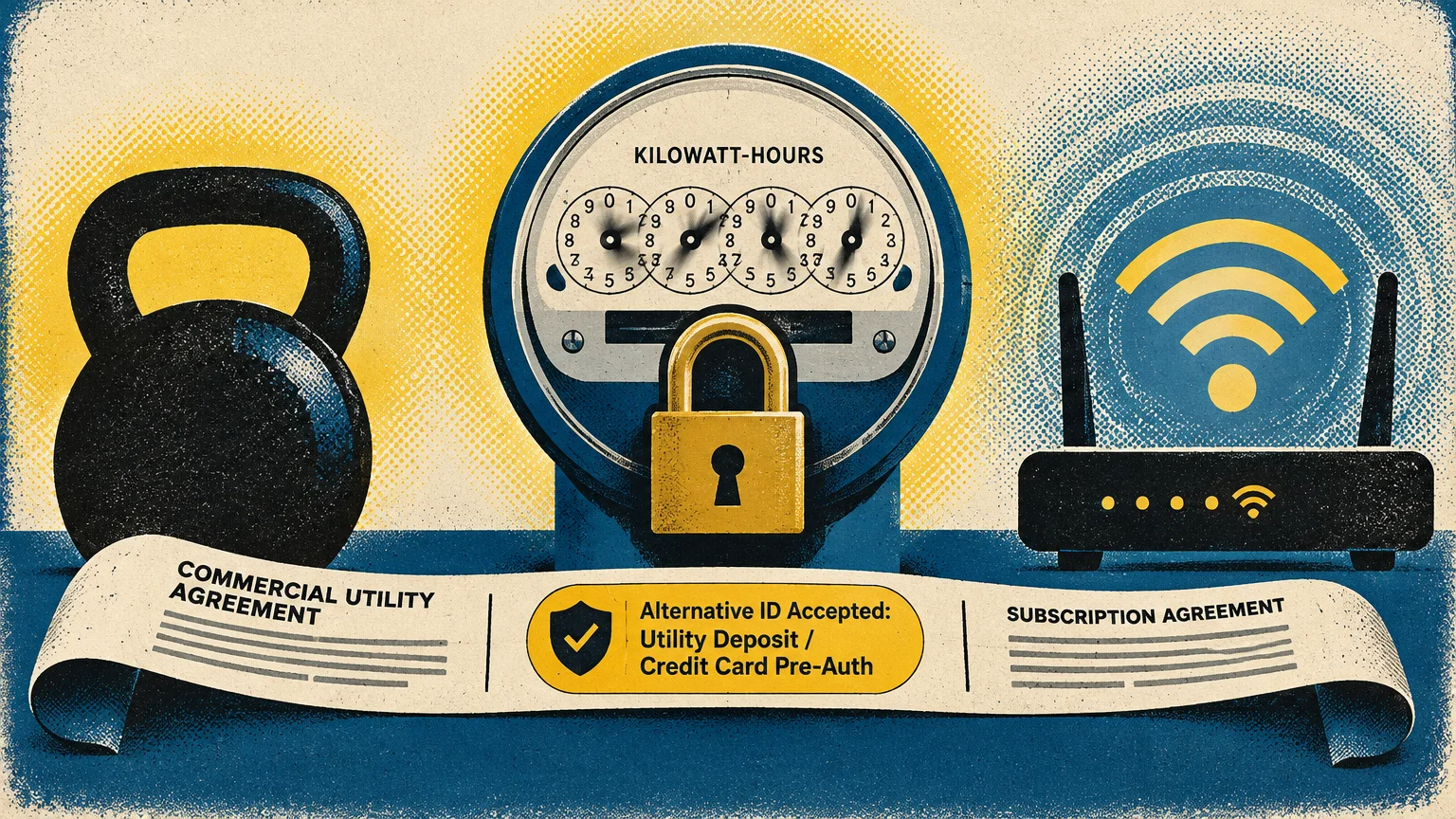
Utility companies and fitness clubs often ask for your number to run unprompted credit checks. They use this data to determine upfront equipment deposits or verify account billing terms.
While utility entities hold legitimate interests in assessing risk, federal laws do not mandate SSN submission. Most service companies provide alternative verification channels if you voice clear objections to disclosure.
You can offer alternative documentation to establish account history and establish reliable financial backing. Many utilities accept recent utility statements from past residences, driver’s licenses, or refundable utility deposits.
Fitness clubs have no genuine justification for tracking your federal taxpayer number. If a gym chain refuses to process your agreement without an SSN, find an alternative fitness provider.

8. Unencrypted Email Messages and Direct Messaging Platforms
Sending sensitive numbers through regular email accounts exposes your identity to interception. Standard email protocols transmit information across public digital pathways without end-to-end security protections.
If a recipient suffers an account compromise, unauthorized intruders obtain everything sitting within their message archives. Real estate escrows and mortgage brokers often see communication channels targeted by digital thieves.
Professional financial advisors and tax planners use secured, encrypted file repositories for document uploads. Demand a protected link whenever an institution requires you to submit sensitive tax forms.
If a business cannot provide a secure transfer portal, deliver the information in person. You can also communicate sensitive digits verbally over an authenticated, encrypted telephone call.
9. Physical Paper Checks and Wallet Contents
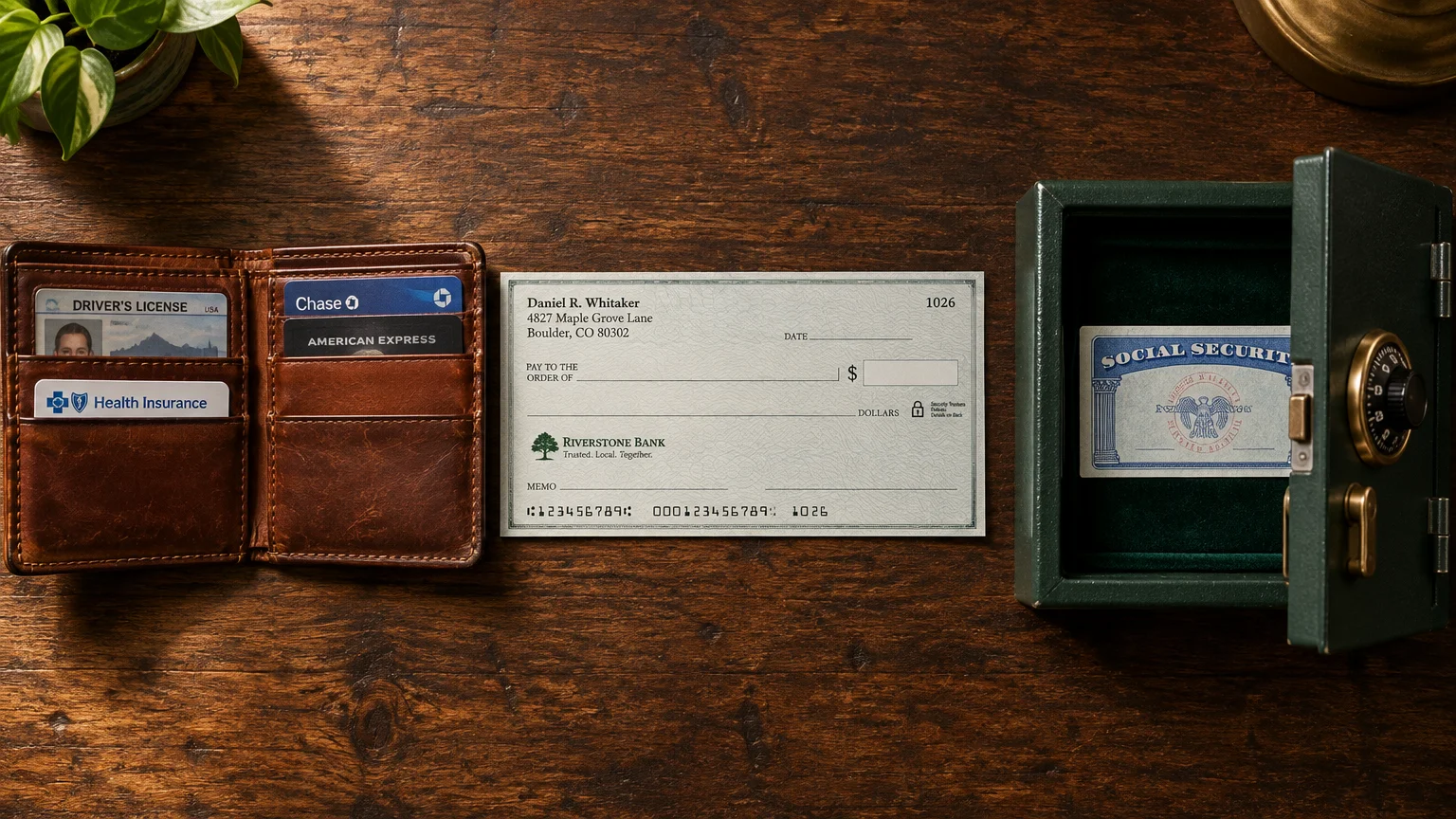
Carrying your Social Security card in an everyday purse or wallet invites severe financial disaster. A misplaced bag or opportunistic pickpocket gains immediate access to your primary identifying credential.
Similarly, never allow retailers or service providers to handwrite your Social Security number onto paper checks. Checks pass through multiple clearing personnel, exposing your financial account and identity simultaneously.
Store your physical card inside a secure fireproof home safe or a bank safety deposit box. You only need the physical card when visiting government offices or completing verified employment documentation.
Memorize your nine digits so you never need to carry physical documentation during daily errands. If an organization demands a physical copy, verify their specific legal justification first.
10. Sweepstakes, Promotional Contests, and Online Giveaways
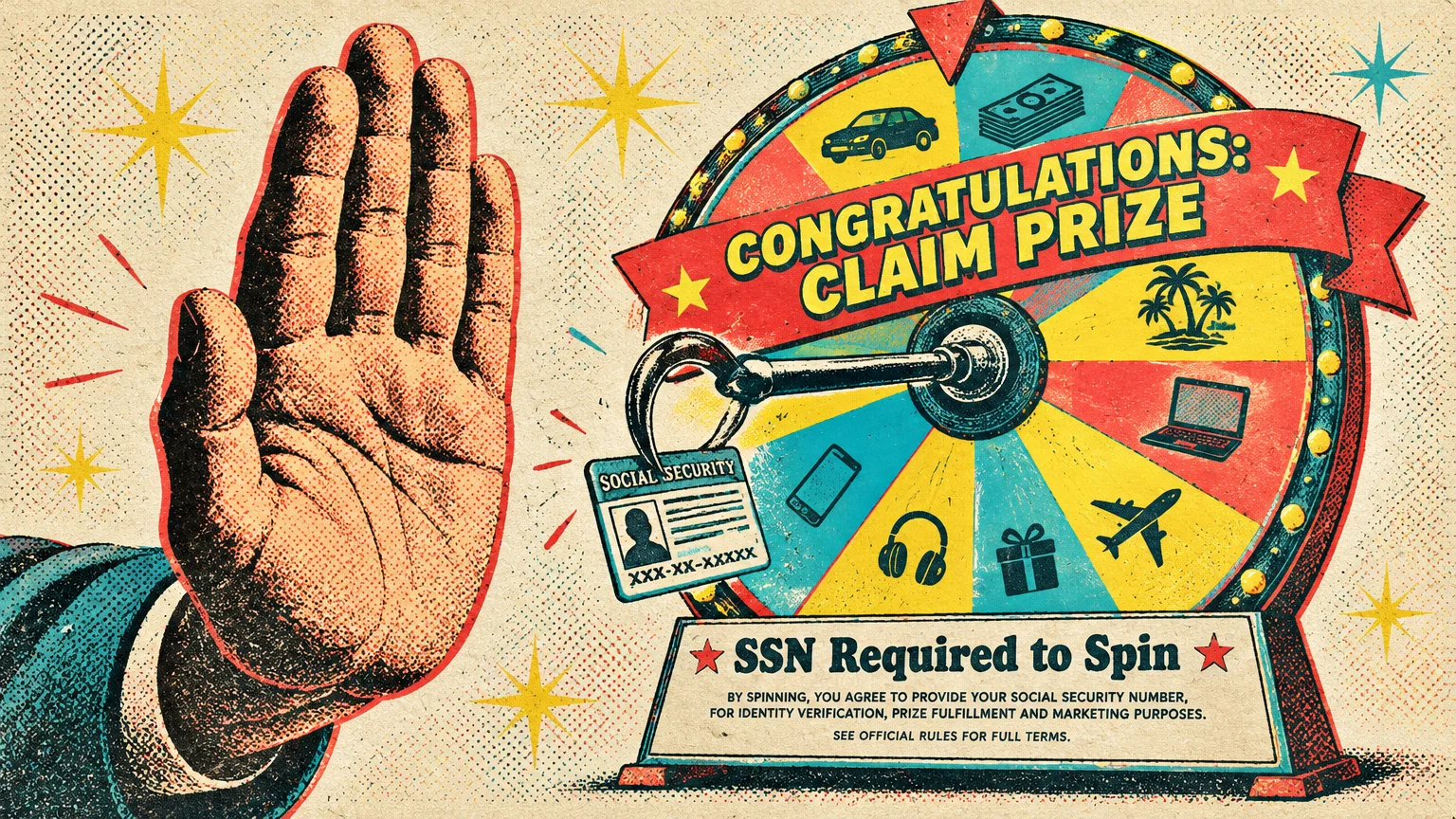
Online giveaway portals frequently demand personal information under the guise of processing potential prize winnings. Marketing operations harvest these submissions to compile marketable consumer lists or commit fraud.
Sponsors do not require tax identifiers from participants simply to enter a promotional contest. Tax reporting obligations trigger only after a confirmed participant wins prizes exceeding specific monetary values.
Under federal internal revenue guidelines, sponsors report prize winnings on Form 1099-MISC once values exceed $600. Promoters must confirm your actual winning status before requesting any tax documentation.
Never enter sensitive financial identifiers on digital promotional entry forms or social media drawings. Legitimate promotions notify verified winners privately and secure tax documentation through formal affidavits.
11. Casual Reselling Platforms Below Federal Tax Thresholds
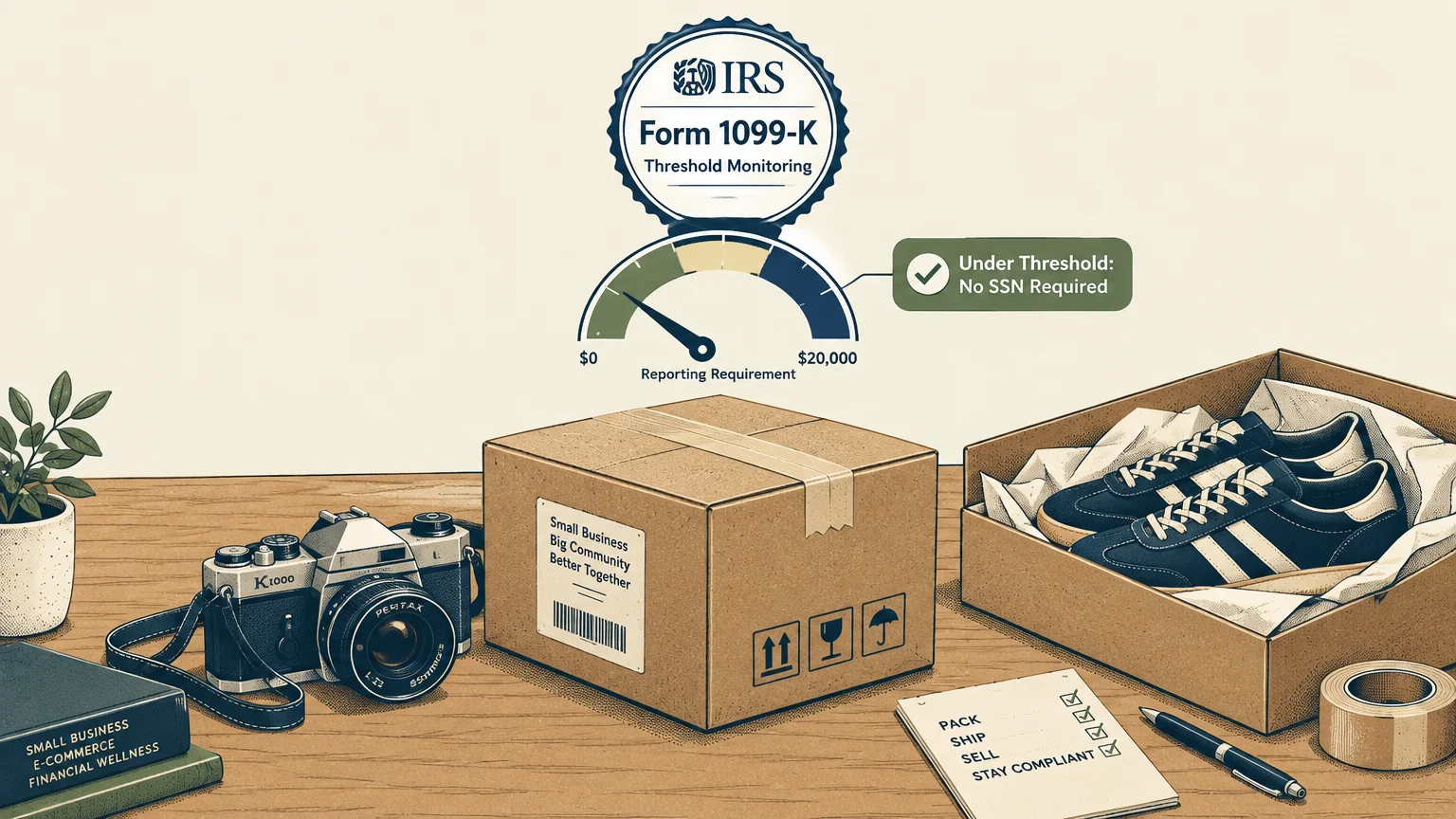
Third-party peer-to-peer marketplaces must collect tax records once sellers cross designated gross sales numbers. However, casual individual buyers have no legitimate business requesting private taxpayer records from you.
Peer-to-peer platforms manage federal reporting under Form 1099-K guidelines through their secure user account dashboards. Never disclose private tax details directly to counterparties during private classified transactions.
If a buyer asks for tax documentation for a private transaction, decline immediately. Direct all transaction tracking through official platform checkout systems to keep personal data shielded.
Ensure that platform requests for your tax records occur inside authenticated administrative account settings. Beware of spoofed phishing links sent to your inbox claiming your sales account faces immediate suspension.
12. Public Wi-Fi Portals and Hospitality Check-Ins
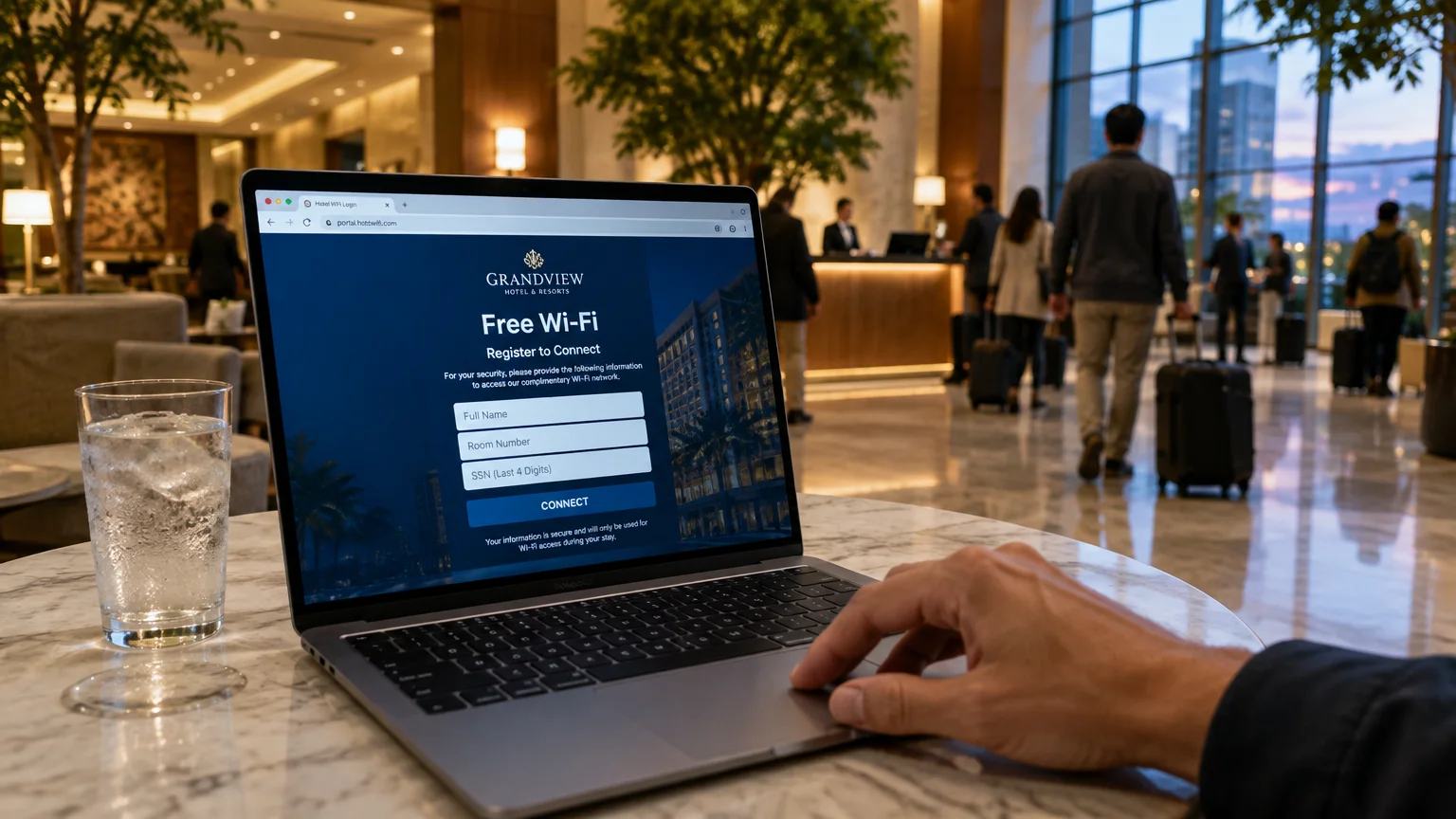
Hotels and public wireless internet providers frequently present captive portal splash screens requesting guest details. Handing over sensitive government identifiers to obtain public internet connection creates immense vulnerability.
Rogue actors configure malicious Wi-Fi networks in airports, hotels, and cafes to harvest traveler credentials. Legitimate public connectivity portals ask for room numbers, email addresses, or access voucher codes.
Front desk hospitality staff require government-issued photo identification and payment credit cards to secure rooms. They possess no statutory mandate or operational requirement to store your federal tax number.
Disconnect immediately if an internet network login screen prompts you for government identification numbers. Use cellular data hotspots instead when navigating sensitive accounts away from home.
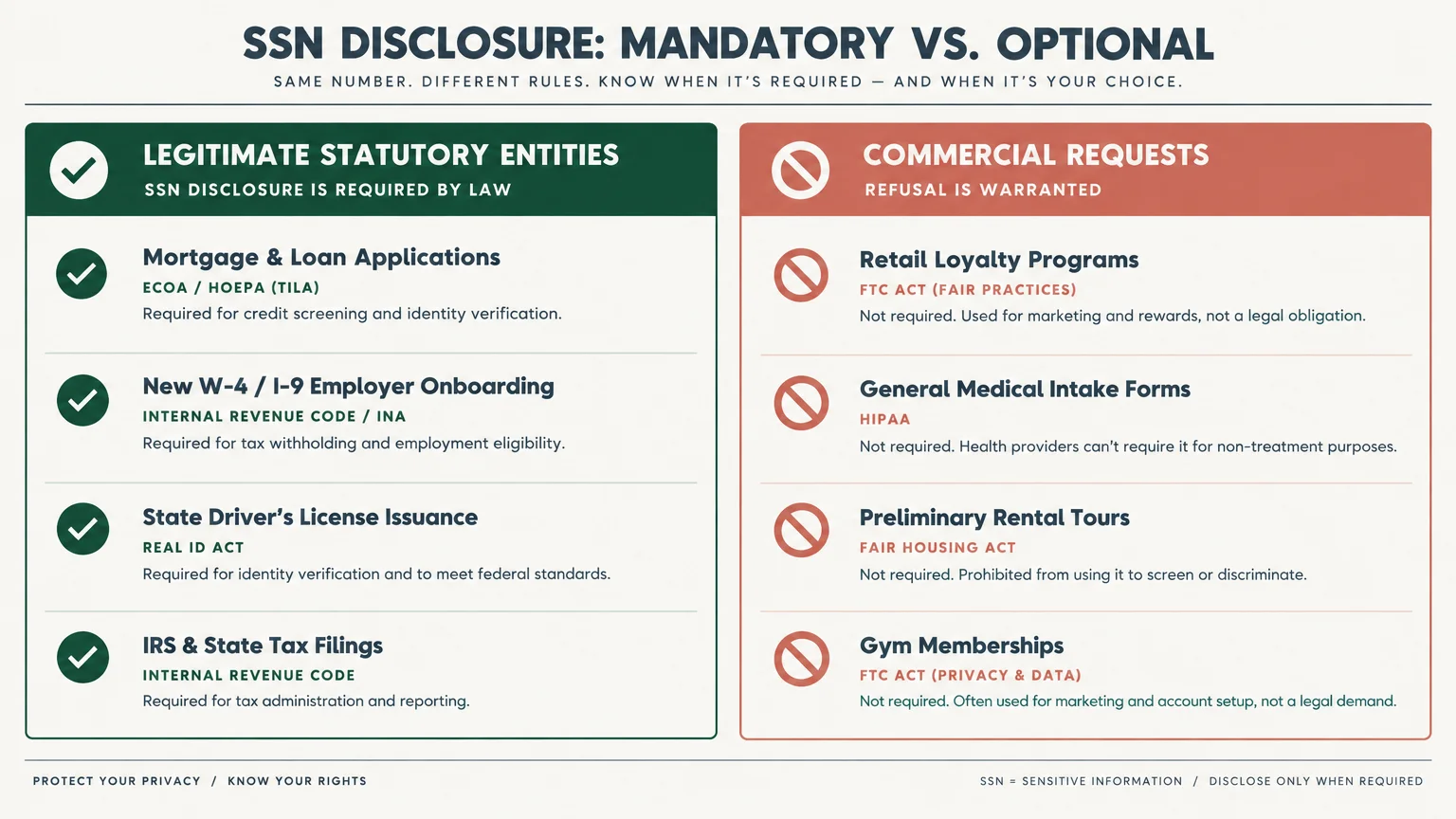
Knowing When You Must Share Your Number
Certain organizations hold explicit legal mandates to collect your Social Security number for regulatory compliance. Distinguishing between mandatory statutory demands and optional business practices keeps your profile secure.
Financial firms governed by federal know-your-customer statutes must confirm your identification before launching investment or credit accounts. The Internal Revenue Service also requires your number on all tax filings and wage reports.
| Requesting Entity | Legal Mandate | Primary Reason | Safe Action to Take |
|---|---|---|---|
| State and Federal Tax Authorities | Mandatory | Taxpayer identification and wage processing | Provide via encrypted, verified channels. |
| Chartered Banks and Credit Unions | Mandatory | Anti-money laundering and USA PATRIOT Act rules | Provide when opening verified credit or deposit lines. |
| Primary and Urgent Care Doctors | Discretionary | Patient tracking and debt collection leverage | Leave line blank; provide private health insurance card. |
| Public and Private School Districts | Discretionary | Internal student identification and indexing | Request an alternate district-generated student ID. |
| Prospective Landlords on Tours | Discretionary | Informal tenant pre-screening | Provide redacted credit report until signing formal lease. |
| Retail Cashiers and Loyalty Desks | Discretionary | Store marketing and card account solicitation | Refuse completely; use alternative phone or email perks. |

Scripts: How to Politely and Firmly Refuse
Many clerks ask for sensitive data out of habit rather than strict operational necessity. Remaining calm and polite while stating your refusal resolves most confrontation rapidly.
When handed a medical clipboard, simply leave the Social Security box completely empty. If staff return the paperwork asking for completion, deliver a calm and direct response.
Say: “I protect my Social Security number to prevent identity theft. My insurance card covers billing, and I can pay co-pays right now.”
If an apartment manager insists on an SSN before an initial walkthrough, maintain clear boundaries. Offer an alternative verification mechanism that protects your nine digits.
Say: “I provide my full tax identifier on formal applications after touring. I have brought a verified credit score summary for your preliminary review.”
Pitfalls to Watch For
Many consumers surrender their numbers because they mistakenly believe that refusing service constitutes an illegal act. Knowing common traps prevents you from yielding ground under artificial pressure.
Avoid the common mistake of providing the last four digits of your number without question. Thieves use public data breaches alongside your final four digits to piece together complete numbers.
Never rely on verbal assurances that an office shreds paper documents once processing finishes. Physical files frequently sit unattended in unlocked office file cabinets for months before disposal.
Do not assume that digital patient portals guarantee unbreachable cryptographic data safety. Limit the amount of sensitive identifying history you upload to non-financial consumer websites.
Steps to Take If Your Number Is Compromised
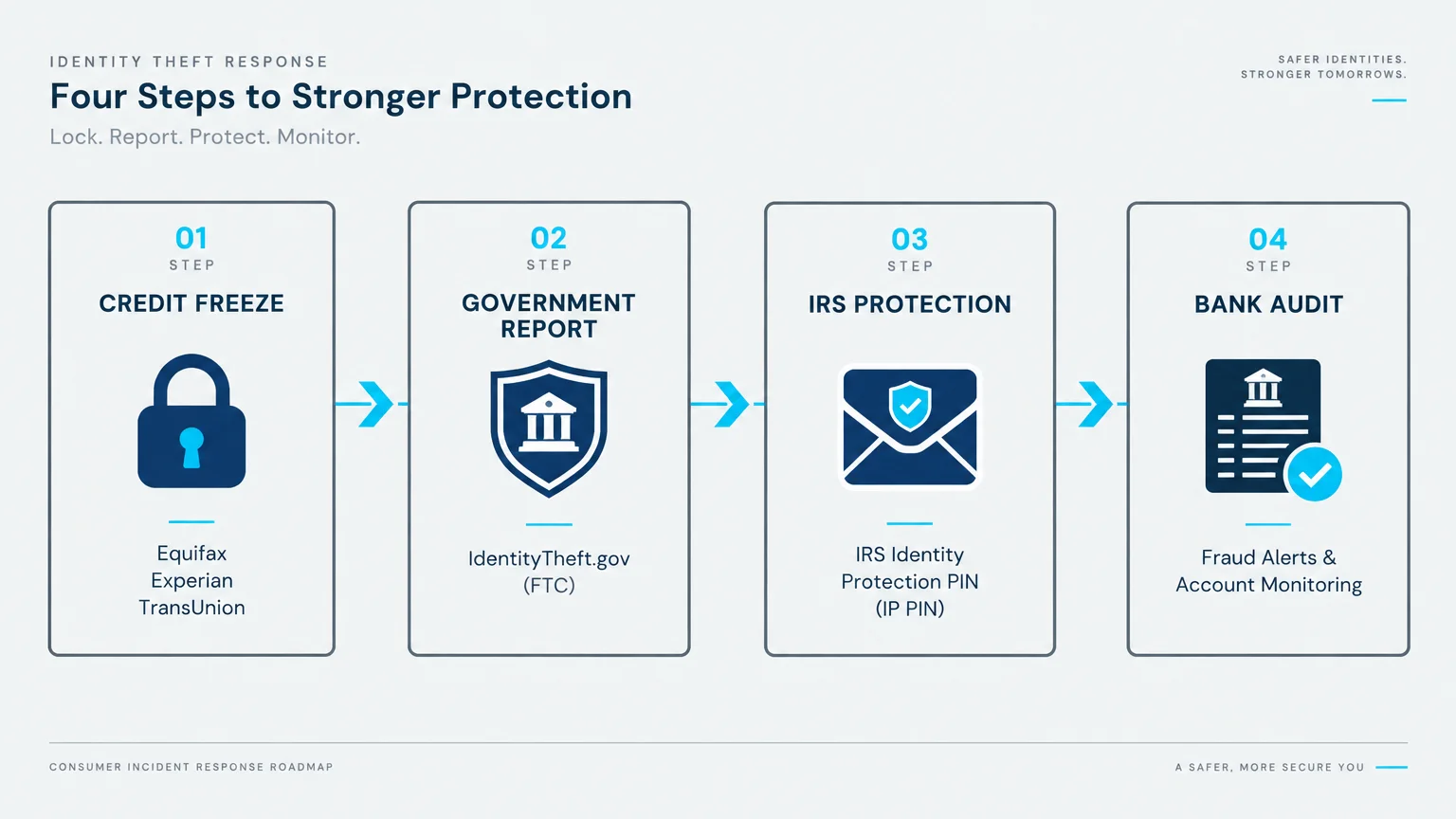
If you suspect an unauthorized party obtained your number, take decisive counteractions immediately. Waiting for fraudulent accounts to appear damages your credit standing and complicates resolution.
Under the Economic Growth, Regulatory Relief, and Consumer Protection Act, credit freezes cost zero dollars. Placing security freezes across Equifax, Experian, and TransUnion blocks unauthorized new credit accounts.
Access your credit history weekly without charge through the authorized portal at Consumer Financial Protection Bureau resource guides. Regular reviews allow you to spot unfamiliar inquiries and unauthorized trade lines rapidly.
Enroll in the IRS Identity Protection PIN (IP PIN) program through the Internal Revenue Service. An IP PIN prevents criminals from filing fraudulent tax returns using your sensitive information.
Taxpayers who cannot verify online can use Form 15227 if their adjusted gross income stays below $84,000 for individuals. Married couples filing jointly qualify for this streamlined path with income below $168,000.
File an official identity theft affidavit through the federal government at IdentityTheft.gov if misuse occurs. An official identity theft report provides legal backing when disputing fraudulent debts with creditors.

Protecting Your Financial Future
Your Social Security number serves as the structural foundation of your modern financial life. Treating that nine-digit sequence with uncompromising vigilance remains your most effective defense against fraud.
Question every non-mandatory request for your private information, and never apologize for protecting your assets. Establishing strong boundaries today preserves your hard-earned financial independence for years to come.
The information in this guide is meant for educational purposes. Your specific circumstances—including income, debt, tax situation, and goals—may require different approaches. When in doubt, consult a licensed professional.
Last updated: October 2026. Financial regulations and rates change frequently—verify current details with official sources.