
Did you just realize that you’re overspending on food? Don’t worry, you’re not alone in this. Artisan, local, organic goods, as well as trendy new restaurant dates with friends make it easy to spend more money than you should or intended.
Since food is the second most expensive household thing after rent or mortgage, our food choices have a big impact on our budget. Not to mention that food prices have increased quite a lot due to inflation.
According to the US Department of Agriculture, in 2020, lower-income households spent an average of $4,099 on food, accounting for 27 percent of their income.
If you’re on a budget, you are probably looking for ways to budget your groceries. Maybe you didn’t know, but those foods that provide the most nutrients are often the least expensive. Eating delicious, nourishing foods while staying within your budget is not only possible but also easy and enjoyable.
Here are 8 ways you can budget your groceries!

1. Reward Loyalty Programs and Cards
Having a credit card that helps you earn bonus cash back on grocery shopping is an awesome way to save some money and get rewards to use on your next purchases — if you find the right card for you to use at your local stores.
For example, the best grocery credit cards can help you earn up to 6% cash back at the grocery store, and some may offer introductory 0% APR deals or some sign-on bonuses. However, you should avoid carrying a credit card balance after your introductory rate expires, as interest charges may chip away at the rewards you earned.
Loyalty programs can also help you to budget your groceries at your favorite supermarket. Retailers like Target, Kroger, and Walmart all have membership programs through which you can get in-store discounts, free delivery for groceries, and save money on gas.

2. Grocery Coupons
Couponing is another great way to budget your groceries and save some money at the supermarket. According to one study, the average American could save up to $122 monthly by using mobile and online coupons. In just one year, you could save up to $1,465 on groceries by using coupons.
And this way to budget your groceries is easier than ever as you can get coupons online rather than clipping them from the Sunday paper. Some coupons offer great deals on household goods such as soap and shampoo, paper towels, or toilet paper. Keep an eye out for these products and stack up when they are at their lowest prices.
There are also coupons for canned meats and goods you can freeze. Because these foods have a longer shelf life, they are less likely to go to waste.

3. Buying in Bulk
You can save money by embracing the bulk sections found at warehouse stores like Sam’s Club and Costco. These memberships have an initial cost, but you’ll end up paying less money per unit. Buying in bulk can also help you make fewer grocery shop trips.
Compare the cost of purchasing pre-packaged foods versus bulk — most of the time it’s cheaper to go for bulk shopping. Not to mention that you’ll eliminate unnecessary packaging which is good for the environment.
However, certified financial planners advise not overdoing it and buying more than you need. A large bag of fresh vegetables won’t save you any money if it spoils before you can eat it. In order to budget your groceries, you need to buy the right amount of food you and your family will actually eat.
4. Get Organized and Plan Ahead
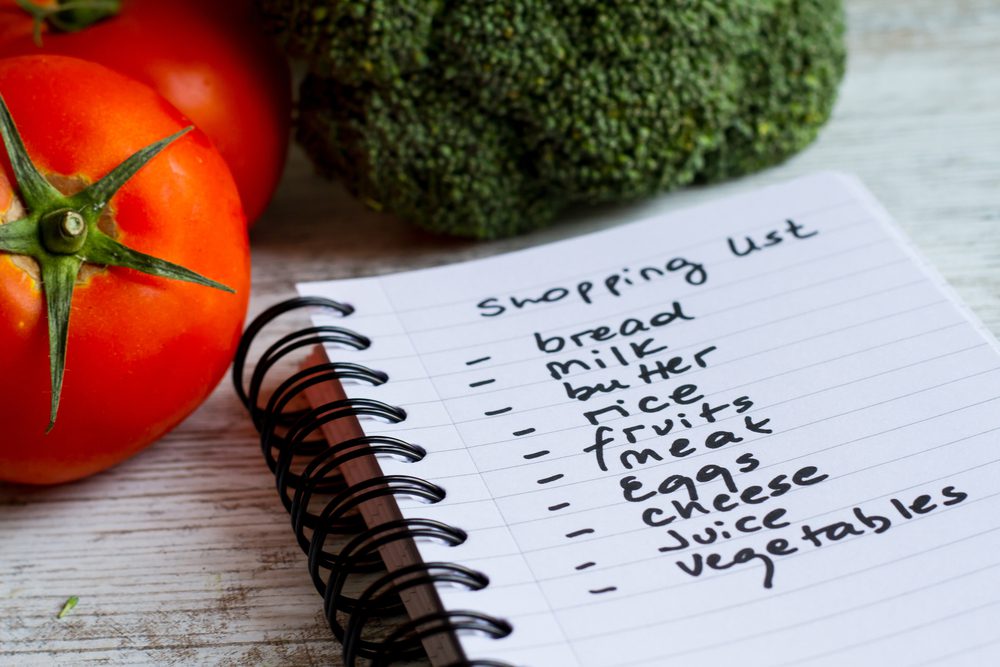
Going to the supermarket with a plan is one of the best ways to budget your groceries and avoid overspending. Bring a list with you at the grocery store, and try to buy as few products as possible that aren’t on it. You may think that impulse purchases seem harmless, but they tend to hurt your wallet.
Keep your refrigerator and pantry organized, so you know exactly what you already have and what you need to buy. Keep track of what grocery items your family consumes most and what are the ones that tend to be forgotten somewhere in the fridge.

5. Plan Your Meals
Do you ever get halfway through the week and realize you have no idea what to cook for dinner? Meal planning is a great technique to budget your groceries and save some money; you can make a weekly meal plan out of low-cost recipes.
The US Department of Agriculture (USDA) has a website where you can find hundreds of seasonal recipes. You can also check Nutrition.gov for more recipe ideas.
Andrew Latham, a certified financial planner suggests combining meal planning with bulk purchasing for the best results. “Bulk buying and meal planning may save lots of cash over a year if you avoid waste and keep things simple,” he explains.
“I recommend choosing around seven recipes you adore and switching them on a weekly basis. Then go bulk shopping for those recipes. It may take a few weeks for you to get accustomed to this routine, but over time, you will get a good sense of how much you need to prepare your meals, allowing you to make bulking purchases without wasting money or food.”
Not only will you budget your groceries if you plan your meals, but you’ll also avoid making unhealthy decisions such as eating fast foods.

6. Meatless Meals
Food prices are rising across the board. But meats like pork and beef have seen the most substantial increases. The price of pork was up 14% in June 2022 from last year, and beef was up 20%.
To budget your groceries, try to plan a couple of meat-free meals every week. Instead of cooking beef or chicken, go for a big salad or dishes with beans and rice or tuna fish a few nights per week. These less expensive alternatives to traditional meats provide healthy protein and other important nutrients without breaking the bank.
There are countless alternatives to choose from if you decide to do this: peas and beans (dried or canned), grains like quinoa or brown rice, dried pasta, tofu, and so on. Including more veggies in your diet can help you budget your groceries, as well as provide you with multiple health benefits.
7. Choose Fresh Foods That Are in Season
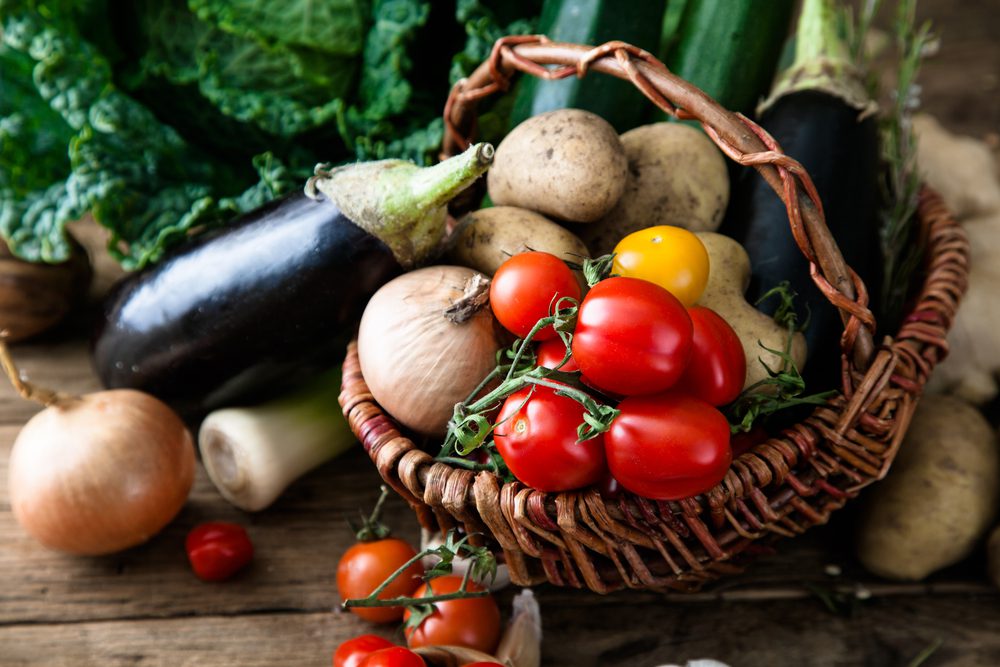
Fresh fruits and vegetables that are in season are always less expensive. Not to mention that they taste better. Go for seasonal dishes to take advantage of seasonal produce. We recommend you visit your local farmer’s market during the summer. You’ll find plenty of in-season fresh vegetables and fruits there.
If there’s one fruit or veggie that your family enjoys year-round, consider preserving it to have it off-season. It may not taste the same as consuming it fresh, but it will help you to budget your groceries.
Now, if you have both motivation and time, you may also try growing your own produce. Nothing compares to the satisfaction of eating your homegrown fruits and vegetables. A home garden allows you to grow vegetables and herbs all summer.

8. Eat Before You Go to the Supermarket
Have you noticed that you end up buying more foods when you do your grocery shopping on an empty stomach? You’re bound to buy less healthy food, and you may end up spending more money. Even having a small snack right before heading to the supermarket can solve this issue preventing you from overspending.
Many studies have concluded that eating before doing your groceries can help you budget your groceries. According to a survey, people tend to spend on average 64% more when hungry. Having a budget and sticking to it is all about avoiding temptations and impulse purchases, so plan to eat before going to the store to eliminate tempting foods that will make you go over budget.
Here’s another article that may help you to budget your groceries: How to Negotiate a Better Price at Your Local Market.









Haha. I spend at least 2 days going through the grocery supplements, make a list, then go through the list and cross off what I really don’t need or can buy later. All that in vain because I still overspend by at least $20-$30. My husband won’t go grocery shopping from my lists. I have to pick 5 products he will shop for at one time but he winds up going to the store at least 3 times a week that way.
I do use a smaller cart instead of the larger ones and when it’s full, I stop shopping. But it doesn’t help too much.