

Everything You Need to Know About the Gig Economy:
Over the years, the way people work took a completely different turn, especially as technology develops even more as every year goes by. Whether you noticed or not, in recent times, there has been a trend toward “gig work”, and many forces are behind this increase in short-term jobs.
So we can’t help but wonder…what’s a gig economy? The gig economy is a term that has gained a bit of traction in recent years, so it’s not a completely foreign concept. It’s basically based on temporary and flexible jobs.
At the same time, it involves connecting with customers online. Nowadays, you only need a smartphone or any other device and good internet connectivity, and work can be done anywhere, at any time.

The origins
Fun fact: the term “gig economy” started its roots in music. As we all know, “gig” was first used to refer to different individual performances of jazz musicians. In time, the term has been associated with all musicians, and apparently, now it has been associated with non-musicians, too.
Even so, the idea of a self-contained project can easily apply to the work arrangement of freelancers, project-based professionals, part-time employees, and even independent contractors. Instead of going for a traditional full-time job, professionals who work in the gig economy prefer working on short-term projects for multiple employers.

Gig Economy Definition
The gig economy is basically a global market system where short-term and flexible jobs have become common, and companies prefer hiring independent workers and freelancers for temporary engagements.
Even if the term “gig economy” is brand new, the idea has been active for many years, as 78 percent of Americans would rather work in a non-traditional work arrangement. The gig economy spreads in many areas of economic activity. Also, the work can widely range, from writing a freelance article to driving an Uber.
There are also part-time teachers, which are under a set contract that’s completely different from tenured professors. The system seems to be very effective, as universities save more money and provide more academic programs for their students.

How does it work?
In a gig economy, a worker takes on small tasks, no matter the industry we’re referring to. These tasks can vary from writing an article to editing videos and getting groceries for someone else. The worker has the option of working either by project or setting several hours to finish a task.
Once the job is over, they proceed to begin the next gig, which could be another task by the same client, or something completely new from another client. Normally, these projects and time shifts are extremely flexible.
A professional might have an office job from 9-5, and a completely separate gig from 5-8 at night. A gig worker might also work many gigs that overall comprise a full-time job, on a more flexible schedule.
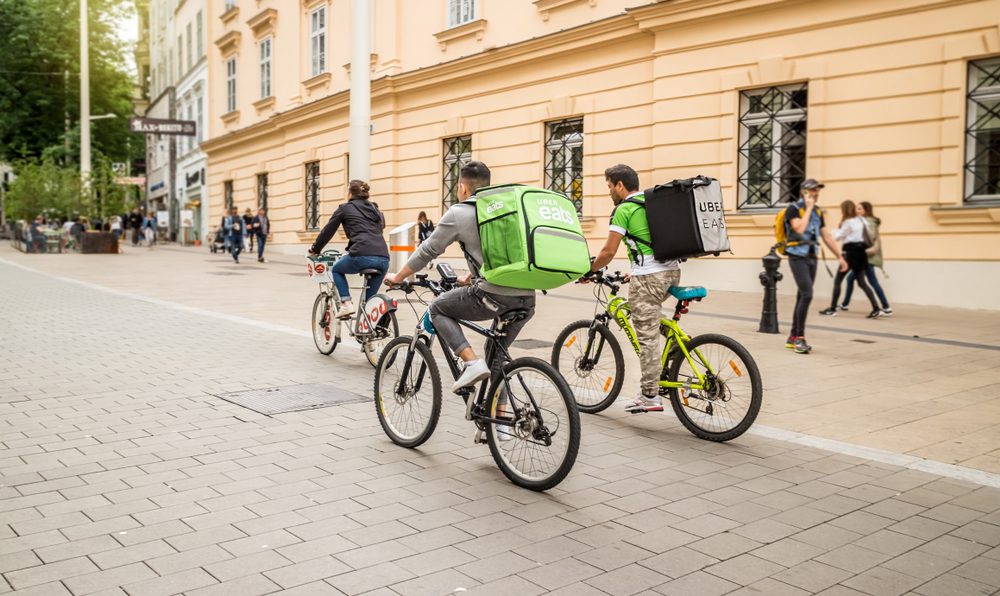
The rise of the Gig Economy
Technological developments are “at fault” for creating brand new opportunities for workers and businesses altogether. Nowadays, professionals can take on any job they like, work remotely, using a minimum of one digital platform to communicate and perform the job. In comparison with traditional office work, this option is more versatile.
Many people prefer gig working now, whether to avoid career burnout, a toxic workplace, or simply the need for greater workplace autonomy. For those who have low incomes, the main reason was that they need to cover increasing housing costs and living expenses.

Promotes a start-up culture
There’s no budding entrepreneur out there who doesn’t know how demanding and costly hiring full-time employees can be. Usually, start-ups can benefit way more from hiring professionals on an assignment basis, rather than bringing on full-time employees.
The gig economy perfectly aligns with the desires of start-ups to be more flexible when it comes to staffing needs.

It brings variety to work
The gig economy is based on endless variety, from the type of work you do to the type of people you meet online. It’s fair to say that the motto of the gig economy is “never having the same day twice”, and it can turn out to be a motivating aspect for many gig workers.
The medley of talent available through gig work reassures the companies that they can find what they’re wishing for (as long as their wish is realistic, of course).

The number of freelance platforms is increasing
Along with the gig economy, the growth of freelancing platforms, local and international, is noticeable. Freelance platforms do nothing but enhance employment opportunities and make them more accessible.
These platforms act as a bridge that connects companies with freelancers. The greater choice will always lead to better work terms and opportunities to find new work arrangements that work for employers and employees altogether. Also, it opens the door to quality talent, at an affordable price, allowing freelancers to work on their terms.

Who can be a gig worker?
It’s almost impossible to know the exact number of gig workers across the world because it covers different work arrangements like freelancers, contract workers, and temporary workers. The diversity and ambiguity make it very difficult to quantify the exact size of the gig economy.
What we can say is that in 2017, 10.6 million people, or 6.9 percent of all US workers participated in the gig economy. Obviously, since then, the numbers are completely different, especially after social distancing requirements.
Now, the OECD estimated that the gig economy comprises 1-3% of total employment. We can surely say that this fast-growing segment completely belongs to the knowledge-intensive and creative industries. For example, a marketing firm is more likely to hire a video editor, or a new restaurant to hire an experienced and creative chef to help them with a new vegan menu.

Why do companies prefer gig workers?
Stats are showing that over 40% of companies expect gig workers to become a crucial part of their workforce. To be honest, the easier access to remote workers, the faster these expectations will become reality. There are many advantages for employees that currently are part of the gig economy, but also for brand owners.
This is even more obvious considering that the transactions in the gig economy are predicted to go over 455 billion USD by 2023. Plus, there’s no business owner out there that doesn’t know the value of office space.
Luckily, freelancers can work from anywhere, which can reduce and even eliminate the need for office space and utilities. Hiring workers with the needed skills from anywhere can reduce the need for training and supervision. Besides that, there’s also no need to spend company resources on transportation subsidies, healthcare programs, and even paid sick leave. Do you want to learn more about the gig economy? Because I know a great book!

Current challenges
However, like any other economy, there are a few problems in this sector, too:
- The biggest problem is the lack of workers’ benefits.
- If you work as an independent worker, a hiring entity won’t pay you the minimum wage.
- Freelancing might affect your work-life balance.
- There’s a wide variety of employees out there, so the prospect of growing and developing a career has become more difficult.
- Job security can become an issue.
- If you take too many gig jobs, you might get burnout.
- Maintaining a good relationship is more difficult, especially long-term.
If you enjoyed reading this article, we also recommend reading: 5 Tax-Efficient Ways To Share Wealth With Kids


