
Whilst every individual’s idea of financial freedom is unique, there are some things that tend to be on many people’s list of financial goals: having enough cash on hand, savings, and investments so you can live the life you want.
Truth be told, besides happiness, financial freedom seems to be a quite important goal for many folks. Being financially free includes practicing long-term thinking, having a good plan, and finding the right tools. It also means building a nest egg large enough to let you retire or pursue whatever career you want without feeling compelled to earn a specific amount of money each year.
Unluckily, far too many folks do not achieve financial freedom. Even without dealing with financial emergencies, accumulating debt as a result of overspending tends to be a constant burden that prevents them from accomplishing their goals.
Let’s take the example of a major crisis like a pandemic, earthquake, or hurricane, that completely destroys all plans. When this awful thing happens, more gaps in safety nets are revealed.
Trouble happens to almost everyone, but we’ve rounded 8 habits that can help you get back on track and achieve financial freedom!

1. Check Your Current Financial Situation
You can only start working towards your financial freedom if you know where you stand now. The first step to improving your financial situation would be to evaluate your current situation. Do you have some savings? What about emergency funds? You must have heard the saying “prevention is better than cure”. Well, it also applies to your finances.
Many folks tend to avoid fixing their bad financial situation until it’s far too late to do something about this. Calculate your total expenses and monthly income, as well as all your debts.
Don’t let this first step frighten you. By handling your finances proactively, you can identify and tackle possible problems before they become major issues. Once you’re done with this first important step, you’re ready to follow the next steps towards financial freedom.

2. Set Life Goals
What does financial freedom mean to you? Everyone wants it, but a few actually have a clear and precise answer to this question. You need to be specific about the deadlines and amounts. The more precise your goals, the more likely you are to achieve them.
Make a list of the following three goals:
- What your lifestyle requires
- How much money do you need to make that possible?
- The deadline for saving that amount
Next, count the years that separate your current age from your deadline and set financial mileposts at regular intervals between those two dates. Make a detailed note of all deadlines and amounts and keep the sheet where you wrote all of these things at the front of your financial planner book (if you don’t have one, here are plenty of options).

3. Make a Monthly Budget
Creating and managing an effective budget is critical to achieving financial freedom. Having a budget ensures that you won’t overspend. However, experts in the field highlight being entirely honest with yourself when creating your budget. It’s not going to help you at all if you claim you’ll spend $2,000 on food and $2,000 on savings when you know you usually spend $3,000 monthly on groceries and dinners at the restaurant.
Basically, a budget is the right tool that can help you decide on how you want to spend your money. Creating a monthly budget — and sticking to it — is the best method to ensure that all bills are paid, and savings contributions are on track.
This regular routine is also the best way to be reminded of your financial goals keeping you away from the temptation to splurge. Keep in mind that financial freedom doesn’t just come overnight; this process requires both constant effort and financial discipline.

4. Pay Off Credit Cards in Full
High-interest consumer loans — such as credit cards — tend to be counterproductive to wealth-building and can definitely wreck your financial freedom. As your income increases, it’s tempting to spend more money and live large.
Unfortunately, the more debt you have, the more interest you are charged, and paying interest is definitely a waste of money. Keep in mind that credit cards are considered a debt.
Make sure to pay off the entire balance each month. Mortgages, student loans, and other kinds of loans often have significantly lower interest rates, so paying them off isn’t an urgent need. However, making payments on time is still important as it will help you improve your credit rating.

5. Create Automatic Savings
First and foremost, pay yourself. Some employers provide a retirement plan to their employees, so make sure you’re enrolled in one. Take advantage of any matching contribution benefits — which is basically free money — to ensure achieving financial freedom.
It’s also always a good idea to set up automatic contributions to an emergency fund that may be used for unanticipated expenses, as well as automatic withdrawals into an investment account. Ideally, those contributions — the one for the retirement fund and the emergency fund — should be made the same day you get your paycheck to avoid spending that money instead.
Remember that the recommended amount of money to save in an emergency fund rests on your specific circumstances. Also, tax-advantaged retirement accounts such as 401(k) or Roth IRA all have limitations in terms of getting your money if you need it right away, so that account shouldn’t be your primary emergency fund.

6. Start Investing Now
Another step towards financial freedom would be investing. Most folks may doubt the idea of investing in bad stock markets, known as bear markets, yet there’s no better method to grow your nest egg. Compound interest alone is known to grow money exponentially, but it takes a lot of time to generate meaningful growth.
Don’t try the type of stock picking made well-known by high-earning individuals like Warren Buffett. For most people who are not professional investors, attempting this method would definitely be a mistake. Try opening an online brokerage account instead that allows you to easily learn investment-related techniques, build a manageable portfolio, and make automatic contributions to it.
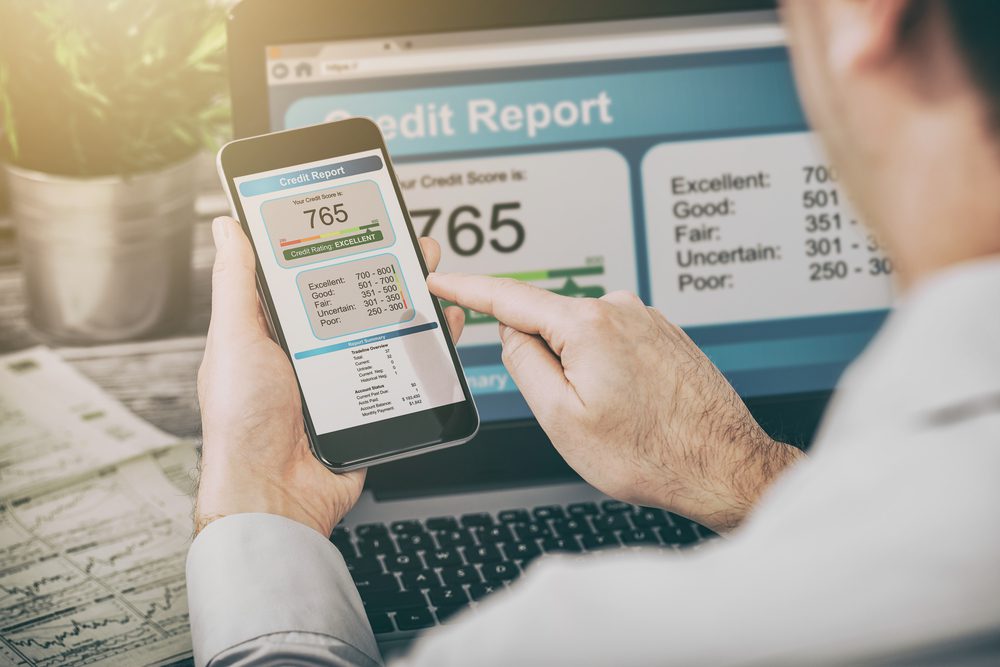
7. Watch Your Credit Score
Your credit score is a number that impacts the interest rate you’re offered when refinancing a home or buying a new car. It also has a major influence on the amount of money you pay for a variety of other essentials, such as life insurance premiums and car insurance.
The reason why credit scores are so important is that someone with bad financial habits is considered likely to have a reckless attitude in other aspects of life, such as not taking care of their health.
That’s why, in order to achieve financial freedom, it’s essential to see your credit report on a regular basis to ensure that there are no inaccurate black marks ruining your credit reputation. It may also be worthwhile to seek a trustworthy credit monitoring service to secure your information.

8. Stay Educated on Financial Issues
From budgeting to investing, financial literacy is the key to understanding and applying various financial skills. In order to reach your financial freedom, you need to know more than how to open a bank account or pay the bills.
For instance, creating a budget, understanding the differences between various financial instruments, and paying off debt are some of the skills you need to acquire if you want to make financially responsible decisions.
Long story short, financial literacy has a huge impact on many aspects of your life such as family, happiness, and retirement.
Stay up to date with relevant tax law changes to make sure all deductions and adjustments are maximized each year. Also, keep up with stock market movements and other financial news, and don’t be afraid to rebalance your investment portfolio accordingly.
High Utility Bills? Here Are 9 Hacks To Solve This Problem!


