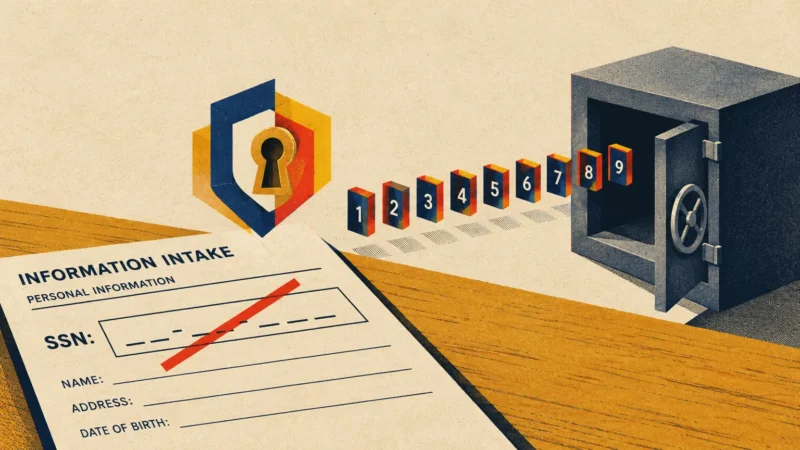
When someone calls claiming to represent Medicare, hanging up immediately is your best financial defense. Impostors use official-sounding language to steal your personal data, hijack your coverage, or bill taxpayers for phantom medical treatments.
Federal data reveals that Medicare fraud drains between $60 billion and $100 billion each year. Unsolicited phone calls represent the frontline of these sophisticated, high-pressure criminal operations.
Legitimate government agencies almost never call you unprompted. Learning how to spot Medicare scams will help you protect your healthcare identity and keep your hard-earned retirement savings secure.
The Golden Rule: Does Medicare Ever Call You Directly?
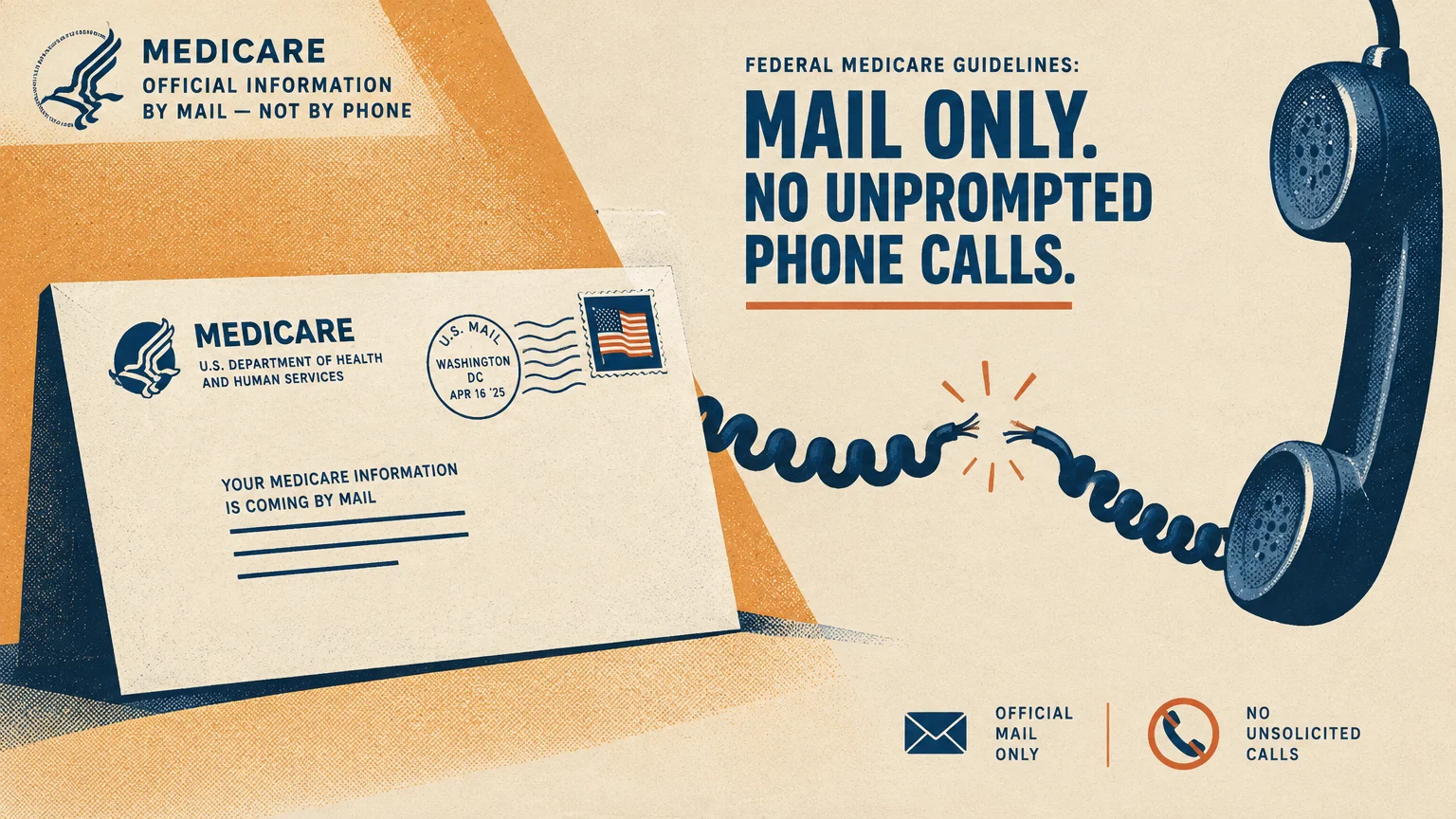
The short answer is almost never. The Centers for Medicare & Medicaid Services (CMS) strictly prohibits Medicare representatives from placing unsolicited calls to beneficiaries.
Government officials communicate almost exclusively through official mail sent by the U.S. Postal Service. When you pick up the telephone, an uninvited voice claiming to represent the federal government is an immediate red flag.
Legitimate representatives will only call you under very narrow, pre-arranged circumstances. For instance, they may return a call after you leave a direct customer service request at Medicare.gov.
Similarly, private Medicare Advantage and Part D prescription plans cannot cold-call you to sell policies. Telemarketers who ignore these regulations violate federal marketing standards and often peddle deceptive coverage.
Third-party marketing organizations must follow strict CMS rules. Under federal oversight, licensed agents must record all sales calls and disclose specific consumer notices before discussing plan options.
If an unknown caller refuses to state their organization or demands immediate personal details, disconnect immediately. Genuine representatives will never threaten you or rush you into a snap decision.
“When someone calls you unexpectedly asking for sensitive financial information, hang up the phone. Legitimate organizations will never penalize you for verifying their identity independently.” — Suze Orman, Personal Finance Expert
10 Fake Medicare Calls You Must Hang Up On
Scammers refine their scripts every season to exploit policy changes and healthcare headlines. Here are the ten most common phone pitches currently targeting beneficiaries.
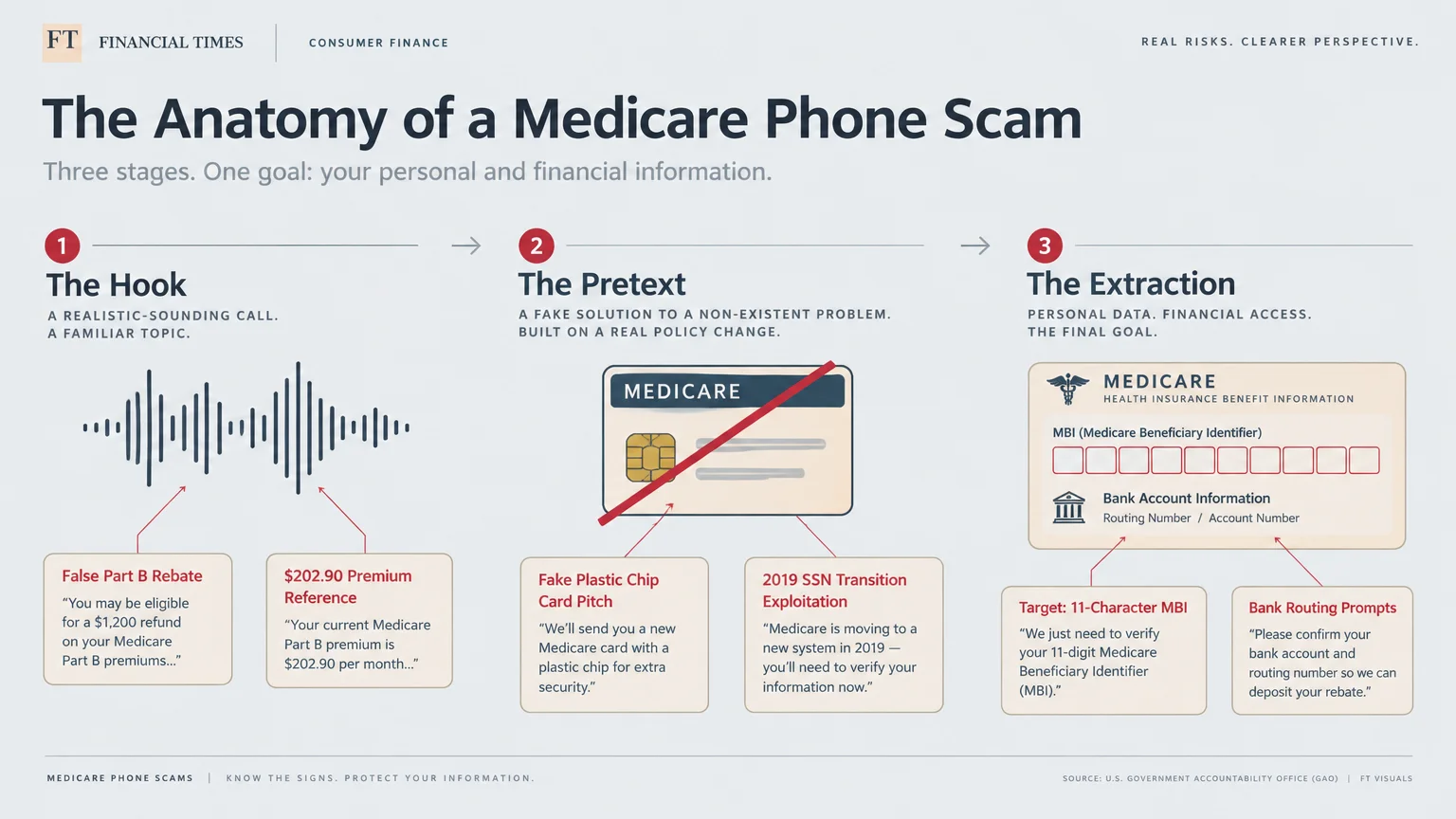
1. The “New Plastic Chip Card” Upgrade Scam
This caller claims Medicare is replacing old paper cards with durable plastic cards containing microchips. They insist you must verify your identity to receive your upgraded credential.
The caller then asks you to read aloud your 11-character Medicare Beneficiary Identifier (MBI). They may also ask for your Social Security number or date of birth to complete the transaction.
In reality, official Medicare cards are always printed on paper. The federal government has no plans to issue plastic or smart chip cards to beneficiaries.
The nationwide transition to remove Social Security numbers from Medicare cards concluded in 2019. Any caller offering an updated plastic card is running an identity theft scheme.
2. The Part B Premium “Giveback” Rebate Call
In this scheme, the telemarketer promises to deposit a monthly refund directly into your bank account. They frequently reference the standard Medicare Part B monthly premium of $202.90 to sound authentic.
The pitch claims you qualify for a state subsidy or special giveback program authorized by recent legislation. To process the direct deposit, the caller requests your checking account and bank routing numbers.
While some Medicare Advantage plans offer premium reduction benefits, government staff do not cold-call beneficiaries to issue cash refunds. Providing your banking details hands the scammer direct access to your liquid savings.
Never share your financial credentials over the phone with an unverified caller. Legitimate adjustments to your Part B premiums occur automatically through the Social Security Administration (SSA).
3. The “Free” Durable Medical Equipment Offer
Fraudulent callers often claim your doctor recommended a specialized orthopedic brace for your back, knee, or neck. They insist the equipment is fully covered by Medicare at zero out-of-pocket cost.
All they need is your Medicare number to process the delivery. Once scammers obtain that number, they bill Medicare thousands of dollars for cheap, unneeded, or never-delivered medical goods.
This tactic fuels massive systemic waste. In September 2026, CMS barred 11 durable medical equipment suppliers tied to more than $3.4 billion in fraudulent billing.
To curb this abuse, CMS instituted probationary prior authorization requirements for newly enrolled equipment suppliers starting October 15, 2026. Legitimate medical equipment always requires a formal consultation and prescription from your actual physician.
4. The Part D Prescription Drug Cap “Activation” Pitch
The caller claims you must re-verify your personal details to unlock the $2,100 annual out-of-pocket prescription cap. They may try to sell you a fake drug discount card to secure the benefit.
Scammers intentionally twist statutory coverage rules to confuse older adults. They claim your current prescription plan will freeze your pharmacy benefits unless you confirm your member ID today.
You never need to activate statutory drug caps or pay fees for standard Part D protections. Your plan calculates your cumulative out-of-pocket costs automatically at the pharmacy counter.
If an unknown voice insists your pharmacy coverage is in jeopardy, end the call immediately. Contact your prescription drug plan directly using the phone number printed on your insurance card.
5. The Threat of Immediate Benefit Cancellation
Scammers understand that fear drives hasty decisions. In this aggressive call, an impostor claims your Medicare Part A or Part B coverage is scheduled for imminent cancellation.
They cite unpaid enrollment fees, delinquent paperwork, or missing administrative documents. They warn that your medical protection will terminate at midnight unless you verify your records right away.
Medicare never cancels benefits abruptly through an impromptu telephone warning. The federal government sends written delinquency notices through the mail before altering your program status.
Treat high-pressure threats as undeniable evidence of criminal activity. Hang up the receiver and verify your status directly through your official Medicare account online.
6. The Open Enrollment Plan “Switching” Trap
During the Annual Open Enrollment Period from October 15 through December 7, misleading sales calls spike dramatically. Callers pose as Medicare caseworkers offering a plan review.
They promise cheaper copays, complimentary dental care, and grocery allowances. In the process, they harvest your MBI and enroll you into an unfamiliar plan without your written authorization.
Victims often discover the switch in January when their primary doctors suddenly fall out of network. Similar unauthorized changes occur during the Medicare Advantage Open Enrollment Period from January 1 through March 31.
CMS rules prohibit insurance brokers from placing unsolicited calls to sign people up for coverage. Never surrender your Medicare identifier during a marketing phone call.
7. The “Free” Genetic Cancer Screening (CGX) Scam
This caller offers a complimentary genetic testing kit mailed directly to your home. They claim a quick cheek swab can detect genetic predispositions to cardiovascular disease or cancer.
The salesperson promises Medicare covers the entire lab test. They only ask for your Medicare details and basic medical history to clear the shipment.
In reality, shady laboratories bill Medicare thousands of dollars for unauthorized genetic panels. Beneficiaries receive inaccurate, medically useless results, or sometimes nothing at all.
Medicare only covers diagnostic genetic testing when a treating physician orders it during active clinical treatment. Decline all unsolicited genetic test kits offered over the telephone.
8. The Law Enforcement or Legal Action Impersonation
In this alarming scenario, a caller claims to work for the Department of Health and Human Services or federal law enforcement. They accuse you of participating in healthcare fraud or hiding unpaid hospital debts.
The caller threatens you with arrest, asset forfeiture, or frozen Social Security checks unless you pay an immediate penalty. They demand payment via wire transfer, cryptocurrency, or retail gift cards.
Real government investigators will never call you to demand immediate money transfers. Furthermore, no legitimate agency accepts retail gift cards or crypto tokens for administrative penalties.
Caller ID displays can easily be manipulated using digital spoofing software. Even if your phone screen shows an official government hotline, disconnect without saying another word.
9. The Medigap “Rate Hike Protection” Cold Call
This telemarketing pitch warns that your Medicare Supplement insurance rates are about to skyrocket by 50 percent. The caller claims you must switch policies immediately to lock in a protected rate.
They ask to examine your current policy details, Social Security number, and checking account information. Scammers use this data to forge policy transfers or steal premium payments.
Private supplemental insurance rates do change periodically, but legitimate insurers notify you in writing well in advance. Government agencies do not manage private Medigap pricing disputes over the phone.
Independent insurance choices require careful comparison. You can research competitive supplement pricing directly using consumer tools maintained by the Consumer Financial Protection Bureau (CFPB).
10. The Post-Hospitalization Care Coordinator Scam
Con artists monitor local notices and obituary pages to identify households experiencing recent hospital stays. The caller poses as a post-discharge patient care coordinator.
They bring up the standard inpatient hospital deductible, which stands at $1,736 per benefit period, to create a sense of financial urgency. They claim Medicare failed to process your hospital billing properly.
To prevent hospital bill collectors from damaging your credit, the caller asks for your credit card to clear an alleged copay balance. They may also offer bogus medical monitoring devices.
Hospitals do not outsource billing disputes to anonymous telemarketing firms. Always review your official Medicare Summary Notice before paying any surprise medical bill.
Legitimate Medicare Communications vs. Fraudulent Calls
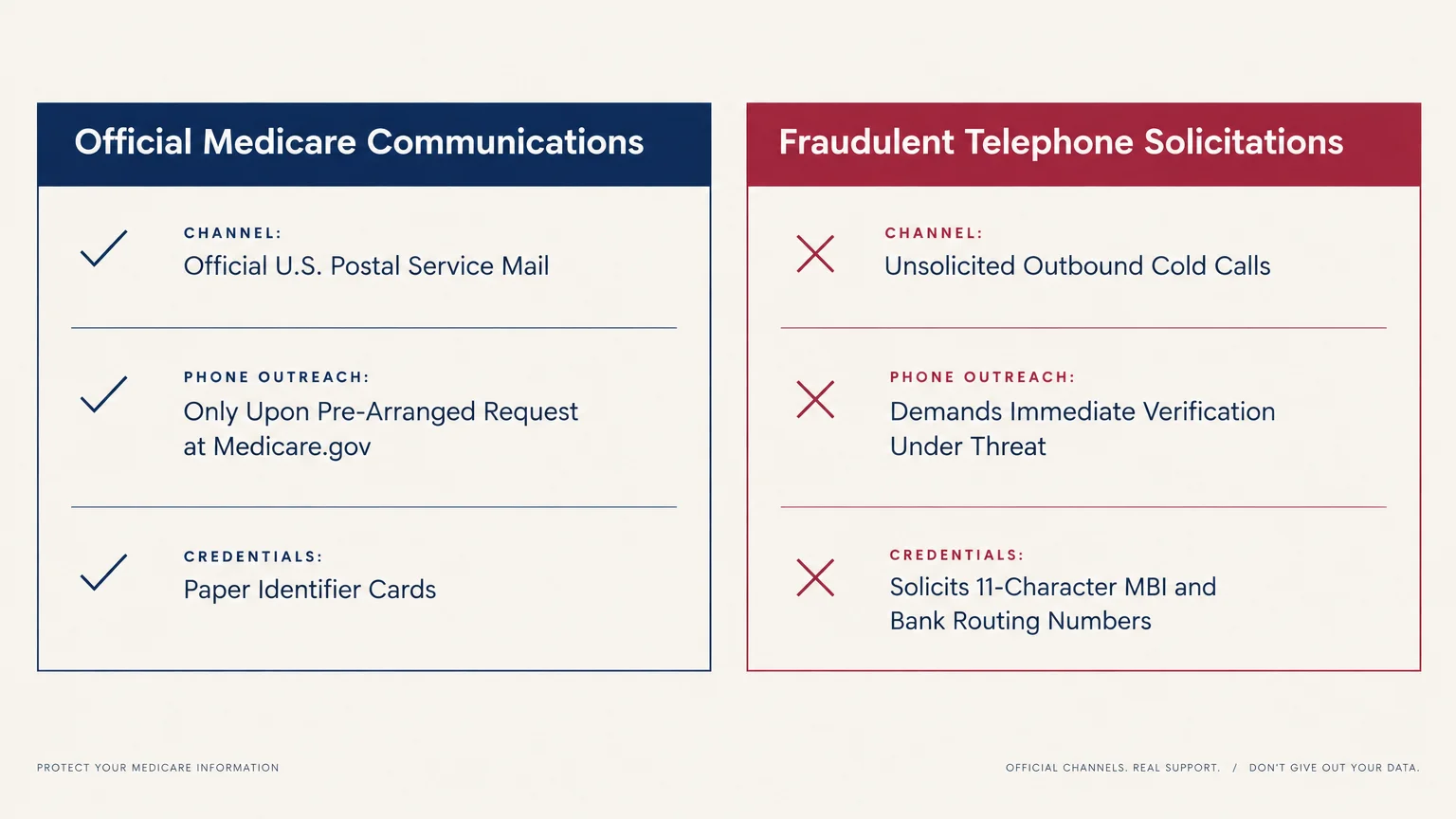
Knowing how genuine officials interact with beneficiaries makes spotting fake calls effortless. Use this reference table to evaluate any unexpected communication you receive.
| Interaction Feature | Legitimate Medicare Practice | Fraudulent Phone Scheme |
|---|---|---|
| Contact Method | Official mail sent through the U.S. Postal Service. | Unsolicited cold calls or automated robocalls. |
| Card Formats | White paper cards with red and blue accents. | Offers for plastic cards, smart chips, or metal IDs. |
| Handling Your MBI | Staff already possess your records in secure files. | Caller demands you read your 11-digit MBI aloud. |
| Tone & Urgency | Measured, formal, and accompanied by written appeals. | High-pressure threats of immediate policy termination. |
| Payment Requests | Payments handled via secure online portal or mailed invoice. | Demands for gift cards, wire transfers, or crypto tokens. |
| Equipment Offers | Supplies ordered directly by your treating doctor. | Offers of free braces or genetic tests requiring your card info. |
Federal integrity programs work continuously to dismantle organized fraud rings. In Fiscal Year 2025, CMS reported $41.9 billion in program integrity savings by stopping questionable claims.
Staying vigilant in your own home serves as an essential secondary defense. When you hang up on suspicious callers, you cut off their revenue stream directly.
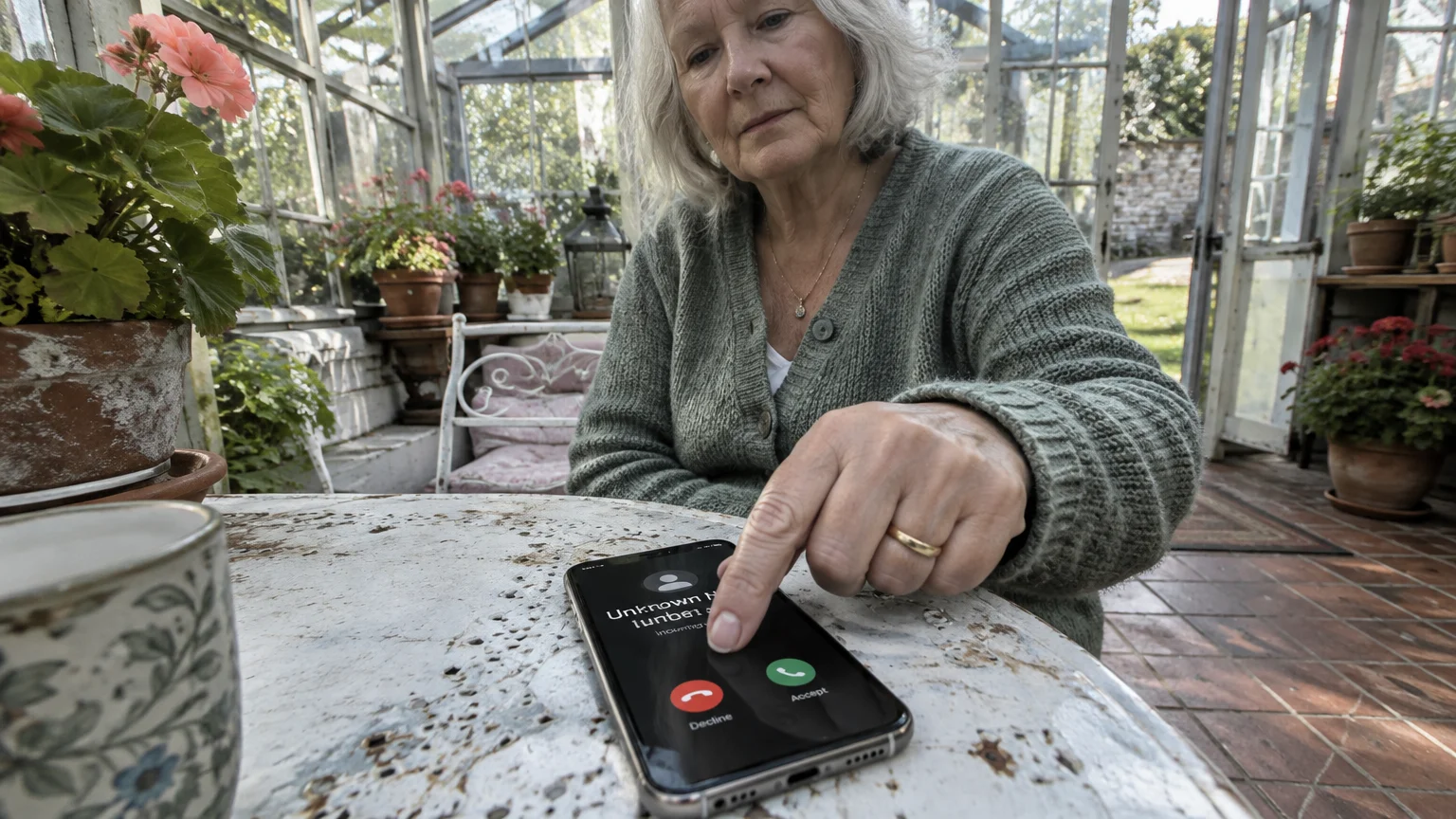
Common Mistakes to Avoid When Unfamiliar Callers Ring
Many smart individuals fall victim to fraud because callers use psychological manipulation. Avoiding a few widespread mistakes will dramatically lower your personal risk profile.
- Trusting your caller ID screen: Cybercriminals use digital spoofing software to display 1-800-MEDICARE or local hospital telephone numbers. Never assume an incoming caller is authentic simply because the screen looks legitimate.
- Saying the word “yes”: Automated dialing systems frequently record your voice answering basic questions like “Can you hear me?” Scammers can splice affirmative audio clips to authorize fraudulent plan enrollments or credit charges.
- Pressing buttons to be removed: Robocallers often instruct you to “press 1” to reach an agent or “press 9” to opt out. Pressing any key confirms your phone number is active and invites additional spam calls.
- Carrying your Medicare card everywhere: Treat your Medicare Beneficiary Identifier like a credit card. Keep your paper card locked safely at home unless you are visiting a healthcare provider.
- Failing to audit quarterly statements: Fraud often goes unnoticed for months because patients ignore their Medicare Summary Notices. Reviewing these documents ensures no unauthorized medical provider is billing your account.
Staying silent and hanging up right away prevents callers from gathering any voice biometrics or personal details. Do not worry about appearing rude to an aggressive caller.
Con artists rely on your politeness to keep you engaged. Cutting the connection protects your identity and ends their manipulation attempt immediately.
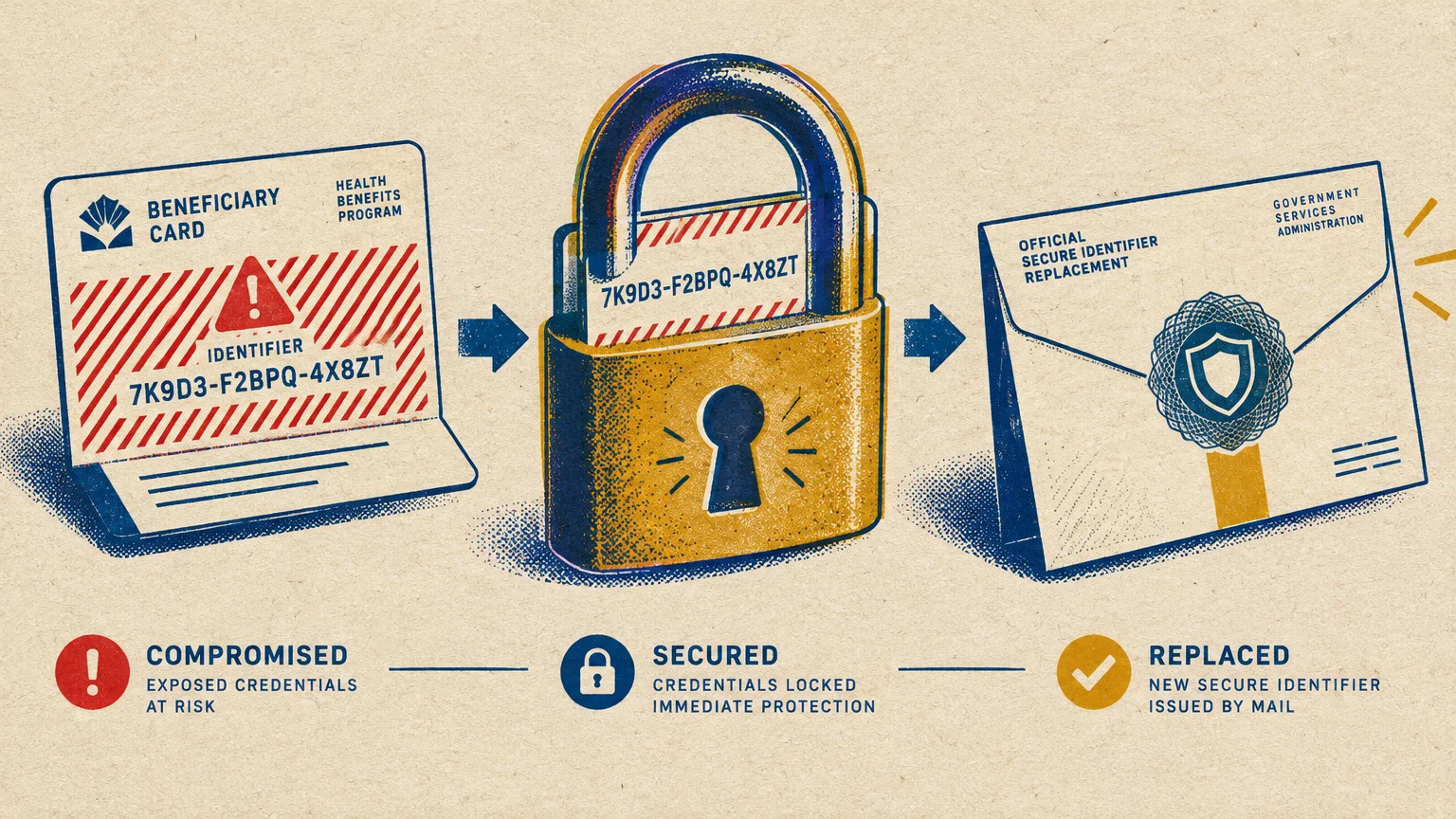
What to Do If You Disclosed Your Medicare Beneficiary Identifier
If you realize you shared your Medicare number with an unverified caller, move quickly. Rapid intervention limits the damage criminals can cause to your healthcare record.
Your first step is contacting the official Medicare customer service line at 1-800-MEDICARE (1-800-633-4227). Explain to the representative that you suspect your MBI was compromised during an unsolicited phone scam.
CMS customer service staff can deactivate your compromised number and issue a brand-new card with a fresh identifier. Your underlying coverage remains active throughout the replacement procedure.
Next, contact your primary care physicians and pharmacy providers. Give them your new identifier so valid medical claims clear without administrative interruptions.
If you shared banking details or your Social Security number, contact your financial institutions immediately. Place a fraud alert on your credit files through the major credit reporting bureaus.
Finally, report prescription drug scams or rogue Medicare Advantage agents to the Medicare Drug Integrity Contractor at 1-877-7SAFERX (1-877-772-3379). You can also report illegal telemarketing to the National Do Not Call Registry at 1-888-382-1222.
Frequently Asked Questions About Medicare Phone Scams
Can Medicare revoke my benefits over the telephone?
No, Medicare will never call you to cancel your coverage abruptly. Termination of benefits involves formal written notifications delivered through the mail with specific rights to an administrative appeal.
Why do scammers want my Medicare Beneficiary Identifier?
Your Medicare number acts like an open commercial credit card for dishonest medical providers. Fraud rings use it to bill Medicare for expensive medical braces, unnecessary genetic tests, and phantom prescription drugs.
How can I verify if a call from an insurance agent is real?
Ask for the agent’s full name, state license number, and the company they represent. Hang up the phone and verify their credentials directly through your state insurance commissioner’s office.
What should I do if a box of unordered medical supplies arrives?
Do not open or use the products. Contact 1-800-MEDICARE immediately to report suspected durable medical equipment fraud and check your quarterly statement for fraudulent billing charges.
Protecting Your Benefits Going Forward
Defending yourself against healthcare fraud requires consistent skepticism toward unexpected telephone solicitations. When you refuse to engage with suspicious callers, you keep control over your medical choices.
Establish a personal rule to never provide personal or financial credentials on an incoming telephone call. Always initiate contact yourself using verified telephone numbers from official government directories.
This article provides general financial education and information only. Everyone’s financial situation is unique—what works for others may not work for you. For personalized advice, consider consulting a qualified financial professional such as a CFP or CPA.
Last updated: October 2026. Financial regulations and rates change frequently—verify current details with official sources.