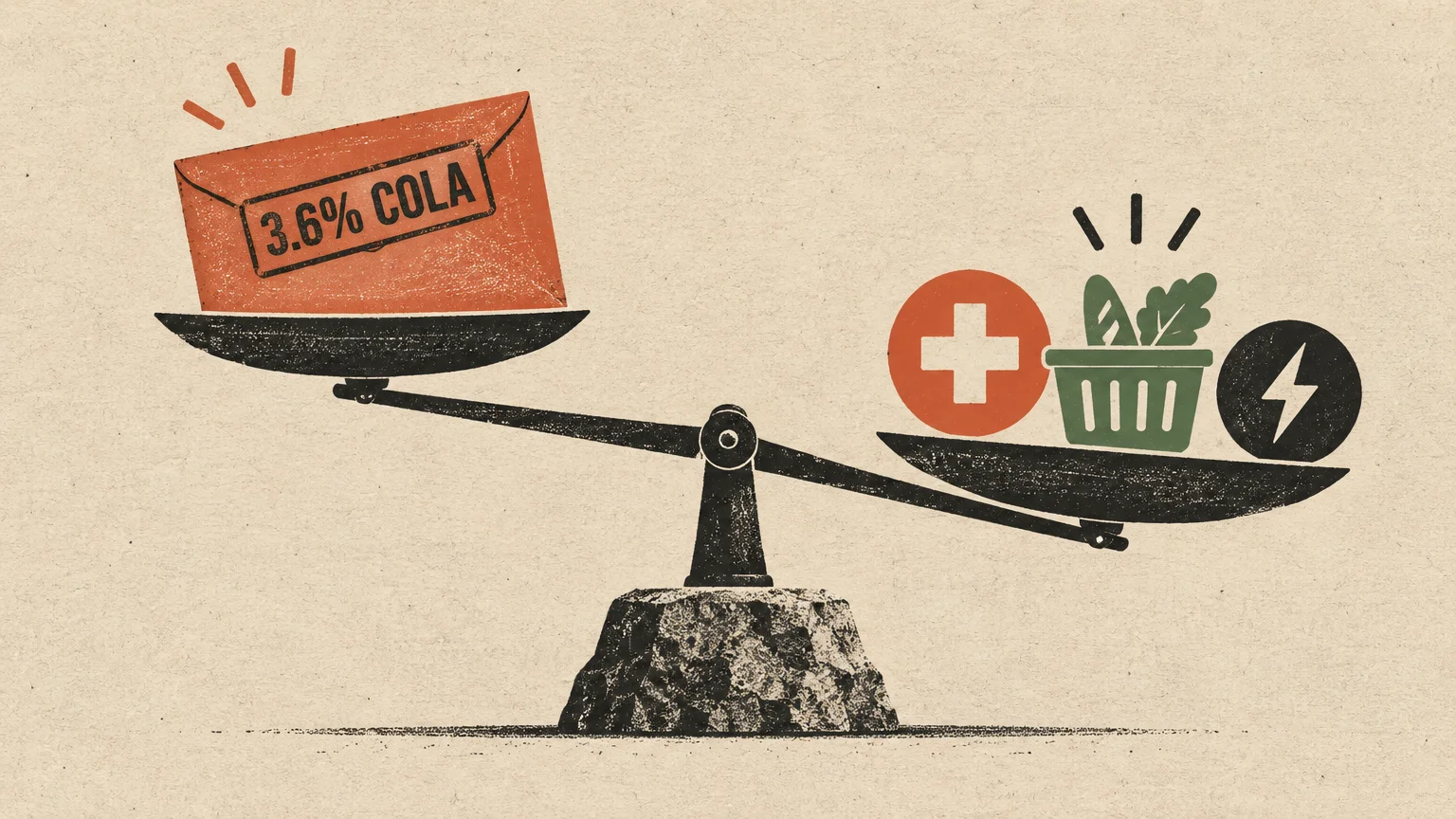
What retirees should watch next
The headline COLA isn’t the whole story. Several things will determine how much of the raise actually lands in your bank account:
Medicare Part B premiums. Most beneficiaries aged 65 and older have their Part B premiums deducted directly from their Social Security checks. The Medicare premium is typically announced in mid-November, and a large premium increase could absorb a meaningful share of the COLA. Analysts have cautioned that the headline figure may overstate the real gain; independent analyst Mary Johnson expects the average benefit for 2027 to rise $76 or less for most recipients.
Your personal COLA notice. Most beneficiaries will be able to view their new benefit amount online through their my Social Security account in late November. Paper notices will follow by mail for those who don’t use the online portal.
Payment timing. Beneficiaries will start getting bigger checks in January 2027 and don’t need to do anything to get the increase. Higher payments for those receiving Supplemental Security Income will begin on December 31, 2026.
Taxes. Depending on your total income, a portion of your Social Security benefits may be subject to federal income tax, and a handful of states also tax benefits. A higher benefit could nudge some retirees over income thresholds.