Why the raise is so large this year
A COLA of this size is a direct reflection of stubborn inflation. When the economy grows, businesses typically gain some pricing power, and modest inflation is normal. But price growth over the past year has run hotter than the Federal Reserve’s long-term target, and several forces have contributed.
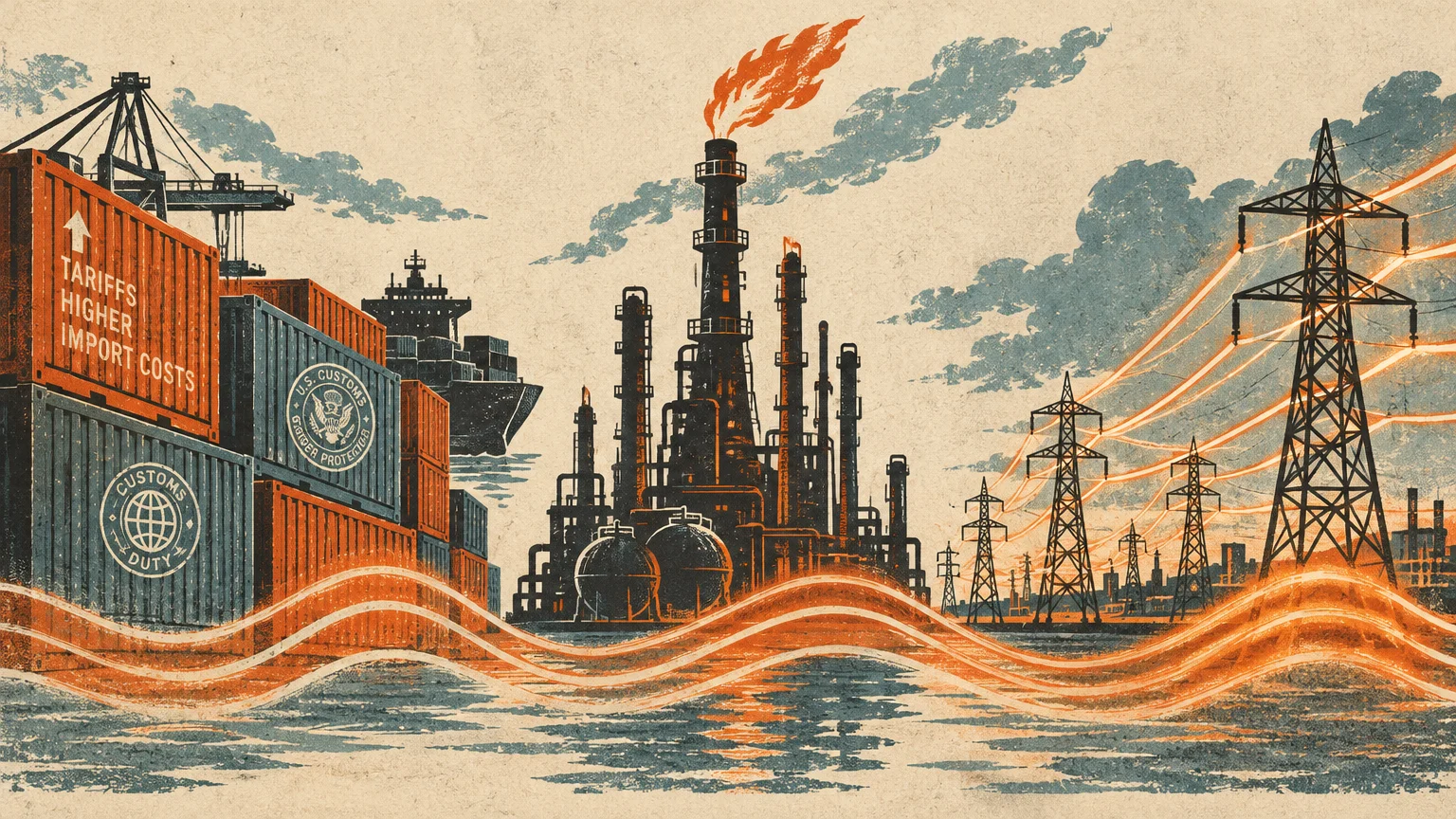
Many economists point to trade policy as a major factor. Tariffs imposed by the Trump administration have raised the cost of imported goods, and those costs have spread to consumers. Research published by economists at the Federal Reserve Bank of New York estimated that tariffs had added 2.9 percentage points to goods price inflation by February 2026, and that without them, goods prices would likely have declined slightly. The same research found that imported goods tend to get more expensive quickly, while price increases on domestically made products follow over the next six to twelve months as manufacturers pay more for inputs and face less foreign competition.
Energy has been the other big driver. The conflict with Iran has caused severe disruptions to global energy supplies, pushing fuel prices sharply higher. Because energy costs feed into nearly everything, from shipping to utilities, those increases have rippled through the broader economy.
Some analysts also note that the massive build-out of artificial intelligence infrastructure, including data centers that consume enormous amounts of electricity, has added upward pressure on certain prices.
How much blame to assign to each factor remains a matter of debate. Supporters of the administration argue that tariffs are a necessary tool to rebuild domestic manufacturing and that short-term price effects will fade, and that geopolitical shocks to energy markets are largely outside any president’s control. Critics counter that the tariffs function as a tax on consumers and that the resulting inflation is precisely why retirees need a larger COLA in the first place. Either way, the outcome for beneficiaries is the same: a bigger raise, intended to offset higher costs they’ve already been paying.